Standard & Heavy-Duty Valve Configurations (Batch 01)
High-integrity wafer, lug, and resilient-seated valve systems manufactured to strict ASME B16.34, API 609, and ISO 5752 tolerance envelopes for industrial piping networks.
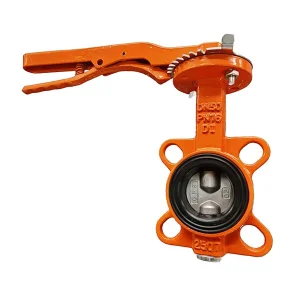
OEM DN50 Dovetail Seat Double Shaft Wafer Butterfly Valve PN16 Factory, Exporters
Explore Specification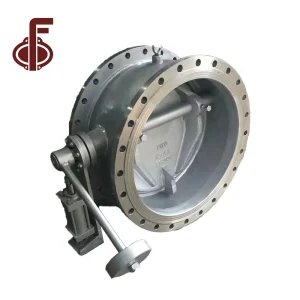
OEM Butterfly Check Valve with Heavy Hammer Manufacturers, Factory
Explore Specification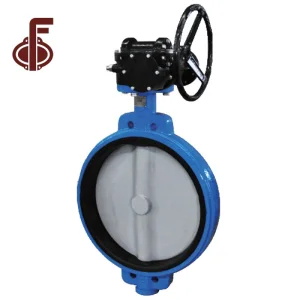
OEM Worm Gear Wafer Butterfly Valve with Nylon Covered Disc Manufacturers, Factory
Explore Specification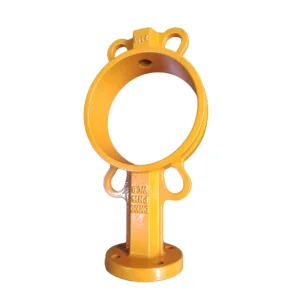
China DN100 PN16 Wafer Butterfly Valve WCB Body Factory, Exporter
Explore Specification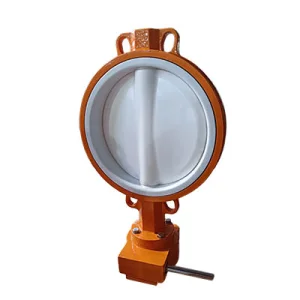
China PTFE Lined Disc & Seat Wafer Butterfly Valve Manufacturers, Factories
Explore Specification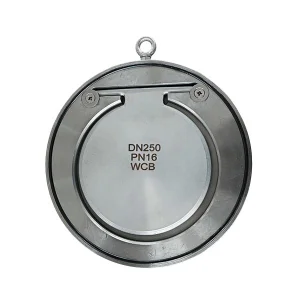
OEM Stainless Steel Body WCB Single Disc Check Valve PN16 Manufacturer, Factories
Explore Specification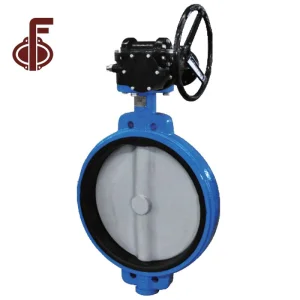
China Worm Gear Operated Wafer Type Butterfly Valves Factories, Exporters
Explore Specification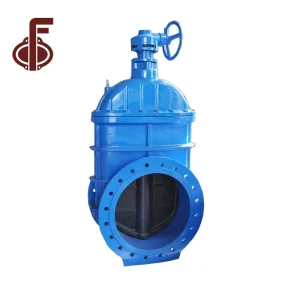
OEM DI PN10/16 class150 Soft Sealing Gate Valve Manufacturers, Exporter
Explore SpecificationAPI 609 Specification Breakdown: Category A vs. Category B Valves
An authoritative design comparison illustrating dimensional limits, pressure envelopes, shaft retention mechanics, and zero-leakage shut-off parameters across heavy fluid networks.
| Engineering Parameter | API 609 Category A (Concentric) | API 609 Category B (Double/Triple Offset) |
|---|---|---|
| Face-to-Face Dimensions | Complies with ASME B16.10, ISO 5752 short, or MSS-SP-67 standard narrow envelopes. | Extended face-to-face according to API 609 Category B, ISO 5752 series 13, 14, 15, or 16. |
| Pressure Rating Scope | Class 125, Class 150, PN10, PN16 (primarily low to medium differential pressure). | ASME Class 150, 300, 600, 900 (PN25 up to PN150 high-pressure containment). |
| Stem Blowout Prevention | Integral shoulder pin retention, external gland plate retaining rings, or bottom cover thrust bearings. | Internally retained stem retaining collars complying strictly with ASME B16.34 and API 609 Section 5.3. |
| Seat Geometry & Materials | Vulcanized, dovetail, or replaceable cartridge boot seals (EPDM, NBR, FKM, Virgin PTFE). | Laminated multi-layer SS316 + graphite rings, solid Stellite hard-facing, or glass-filled RPTFE. |
| Kinematic Sealing Motion | Interference squeeze fit along the 360° circumference with continuous wiping contact. | Cam-action elliptical engagement completely clearing the seat within 2-3 degrees of travel to negate friction wear. |
| Typical Critical Limits | Maximum operating temperature: +120°C (EPDM), +180°C (PTFE); continuous moderate cycle rates. | Cryogenic -196°C to extreme thermal shock +600°C; fire-safe qualified to API 607 / ISO 10497. |
China OEM Manufacturing Excellence: The Northern Industrial Cluster
How modernized Chinese smart foundries, CNC cell automation, and metallurgical integration drive unrivaled total cost of ownership (TCO) for global infrastructure buyers.
Integrated Foundry & Metallurgy
Direct integration with certified casting foundries in Tianjin and Hebei regions guarantees spheroidal graphite nodules exceeding 85% in ductile iron (QT450-10) and sub-0.03% sulfur content in WCB steel, eliminating sub-surface blowholes and internal shrinkage defects.
5-Axis CNC Precision Machining
Valve body seat pockets and dual/single shaft bores are machined in single-clamping operations utilizing horizontal 5-axis machining centers. This guarantees concentricity within 0.015mm, completely preventing stem runout, micro-leaks, and excessive actuator sizing requirements.
Electrostatic Epoxy & Resilient Lining
Automated fluidization bed and electrostatic spray booths deliver 250μm-350μm NSF/WRAS-certified fusion-bonded epoxy (FBE) coatings. High-voltage holiday testing at 15kV ensures micro-porosity-free isolation against aggressive seawater, brine, and municipal effluent.
Automated Testing Rig Protocols
Every single valve unit undergoes computer-monitored hydrostatic and pneumatic seat testing conforming to API 598 and EN 12266-1 standards. Multi-sensor rigs record shell burst resistance, holding times, and seat leakage data, automatically generating verifiable electronic inspection certificates.
Comprehensive OEM Co-Engineering
Chinese valve manufacturing partners bridge commercial design gaps through 3D CAD modeling, FEA (Finite Element Analysis) stress validation under cyclic flow loads, tailored disc contouring to optimize hydrodynamic Cv figures, and custom private-label branding for multinational distributors.
Robust Freight & Port Infrastructure
Direct logistical proximity to Tianjin Xingang Port—one of Asia's premier maritime gateways—ensures streamlined containerization, anti-corrosion barrier packaging, moisture-controlled ocean freight palletization, and minimized transshipment handling times for global delivery destinations.
Technological Trajectories: The Next Evolution of API 609 Valves
Navigating decarbonization mandates, low-emission fugitive shaft packing, cryogenic LNG liquefaction, and industrial IoT smart valve integration.
Fugitive Emissions Control (ISO 15848-1 / API 641)
Global net-zero regulations mandate zero fugitive leakage across packing glands. Modern API 609 manufacturing utilizes dynamic Belleville spring live-loaded graphite-PTFE packing arrangements and micro-finished shaft surfaces (Ra < 0.4μm) ensuring helium leakage levels below 50 ppmv through thousands of thermal and mechanical cycles.
Cryogenic Services & Extended Bonnets
With the surge in international LNG transport and liquid nitrogen infrastructure, API 609 Category B triple-offset designs feature extended vaporizing columns (BS 6364). This vapor buffer protects stem packing from brittle fracturing at -196°C, maintaining strict bubble-tight containment using customized multi-layered metallic seals.
IoT-Enabled Smart Automation & Predictive Diagnostics
Modern plants are transitioning from basic limit switches to intelligent fieldbus actuators (HART, Profibus, Modbus). Integrated sensors monitor real-time break breakaway torque, travel velocity, and internal seat acoustic signatures. Early detection of seat degradation prevents catastrophic unplanned shutdowns in 24/7 continuous process lines.
Heavy Industry Engineering Solutions & System Integration
From municipal sea water reverse osmosis (SWRO) to petrochemical cracking units: matching fluid dynamics to valve design.
Seawater Desalination (SWRO) Systems
High chloride content and high static head pressures demand specialized metallurgical selections. We engineer Super Duplex Stainless Steel (2507) and Nickel-Aluminum Bronze (C95800) API 609 discs paired with vulcanized EPDM dovetail seats, delivering decades of cavitation and pitting resistance across high-pressure membrane feed racks.
Flue Gas Desulfurization (FGD) Scrubbers
Corrosive sulfuric acid mists combined with highly abrasive gypsum slurry rapidly erode standard valve seats. Our solution combines precision-molded Virgin PTFE and ultra-high-molecular-weight UHMWPE lined discs with hard ductile iron backings, delivering zero metal-to-media contact and superior abrasion resistance.
District Cooling & Deep-Bore HVAC
Modern high-rise commercial structures and municipal district cooling networks demand high Cv factors to reduce pump head energy consumption. Large-diameter (DN600–DN1200) double-flanged API 609 concentric valves with profiled disc edges minimize dynamic drag and preserve chilled water thermal efficiency.
International EPC Procurement Framework & Auditing Protocol
Rigorous verification workflows ensuring that offshore manufactured valves pass every inspection checkpoint prior to ocean departure.
MTR Certification (EN 10204 3.1/3.2)
Every melt heat charge is verified using direct-reading optical emission spectrometers. Mill Test Reports (MTRs) detail chemical composition, Charpy V-notch impact toughness values at sub-zero temperatures, and tensile yield strength conforming directly to ASTM A216 WCB or ASTM A351 CF8M requirements.
NDT & Ultrasonic Examination
Pressure boundary castings and critical stems undergo Non-Destructive Testing (NDT), including Liquid Penetrant Testing (PT), Magnetic Particle Inspection (MT), and Ultrasonic Testing (UT) on shafts. Critical valves for high-pressure gas service receive 100% Radiographic Testing (RT) per ASME Section V standards.
Marine Preservation & Packaging
Machined flange sealing faces and stem journals are coated with vapor corrosion inhibitors (VCI) and sealed with robust poly-cap flange protectors. Heavy plywood boxes compliant with ISPM 15 heat treatment regulations protect all internal internals against saltwater oxidation during 45-day maritime transits.
Frequently Asked Technical & Sourcing Questions
Clear answers to complex technical questions concerning sizing margins, materials selection, hydrostatic testing, and OEM private labeling.
What is the standard torque safety margin recommended for sizing electric and pneumatic actuators on API 609 valves?
How do dovetail bonded seats differ from standard drop-in boot liners in high-velocity pipelines?
Can API 609 wafer-style butterfly valves be safely deployed in dead-end pipe termination service?
What are the critical non-destructive testing (NDT) standards applied to valve bodies prior to export release?
How does China factory OEM private labeling manage branding, nameplates, and casting mold modifications?
Engineered Valve Assemblies & Specialized Equipment (Batch 02)
High-capacity flanged valves, extended stem designs, knife gates, and extreme-performance triple eccentric units ready for international project dispatch.
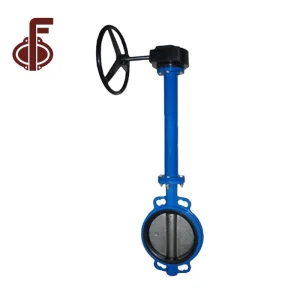
China Extention Stem Wafer Butterfly Valve Manufacturer, Exporters
Explore Specification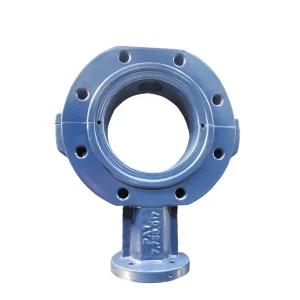
China Fully Lug Butterfly Valve Two Pieces Body Manufacturer, Factory
Explore Specification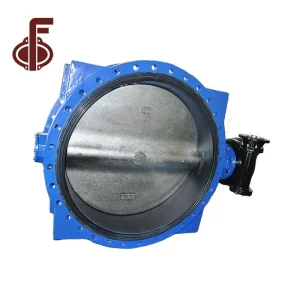
China DN1200 Flange Butterfly Valve with Supporting Legs Factories, Exporters
Explore Specification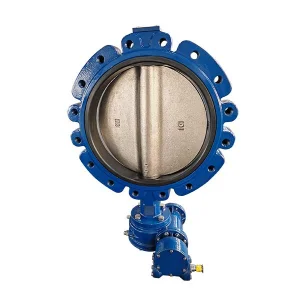
OEM 18" Hard Back Seat Lug Butterfly Valve with Pin DN450 PN10 Manufacturer, Exporters
Explore Specification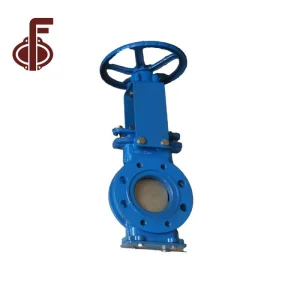
China SS/DI PN10/16 Class150 Flange Knife Gate Valve Manufacturers, Factories
Explore Specification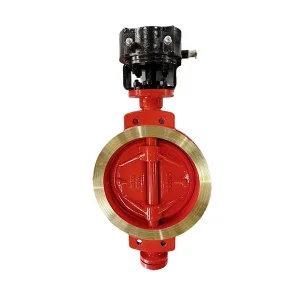
OEM 150LB WCB Wafer Triple Eccentric Butterfly Valve Manufacturer, Factories
Explore Specification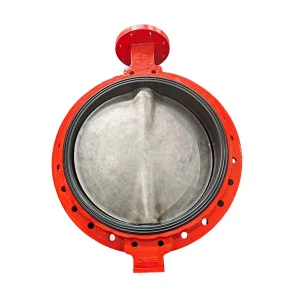
China DN700 WCB Soft Replaceable Seat Single Flange Butterfly Valve Manufacturer, Factory
Explore Specification