
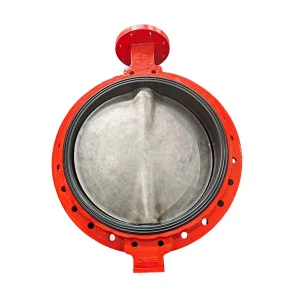
Featured Industrial Valve Manufacturing Showcase (Series I)
Direct factory configurations manufactured to international testing standards (API 598, ASME B16.34, ISO 5208 Rate A). Certified for high pressure, abrasive slurry, chemical processing, and critical utility distribution.
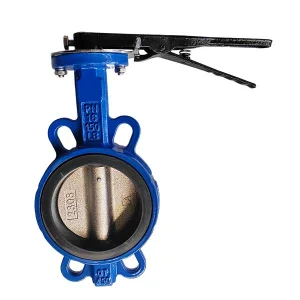
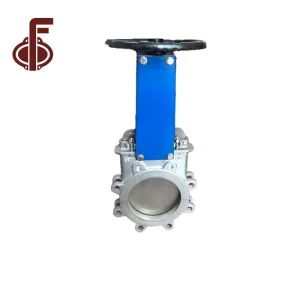
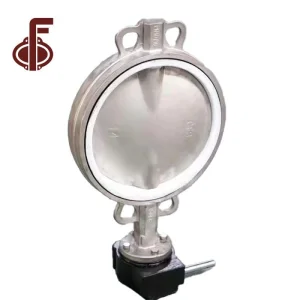
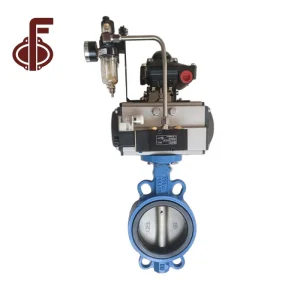
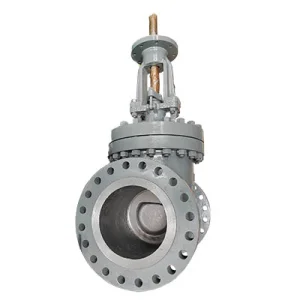
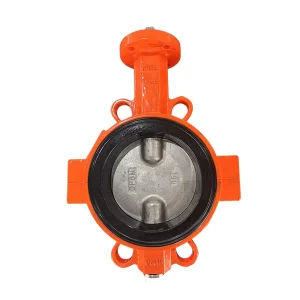
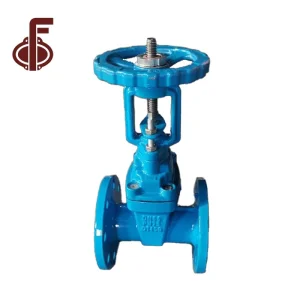
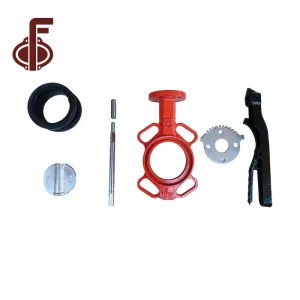
Kinematic Architecture of API 609 Category B Triple Offset Valves
Understanding why triple offset butterfly valves (TOVs) supersede conventional gate, globe, and ball valves in critical isolation loops under extreme thermal gradients and dynamic pressures.
Offset 1: Shaft Axis Displacement Behind Sealing Plane
The rotational axis of the valve stem is positioned deliberately behind the continuous seat contact plane. This mechanical displacement eliminates localized stem seal penetrations through the seat ring, establishing an unbroken, uninterrupted 360-degree perimeter of circumferential sealing integrity without typical concentric valve leak pathways.
- Uninterrupted 360° sealing surface continuity
- Eliminates stem penetration through sealing plane
- Reduces static packing stress and packing wear
Offset 2: Eccentric Shaft Placement from Pipe Centerline
The centerline of the shaft is machined eccentric to the primary flow axis and bore centerline of the valve body. This second offset creates a pronounced cam-like trajectory as the disc begins rotation, pulling the disc instantly away from the body seat within the first few degrees of angular stroke. Mechanical binding and frictional drag are eradicated.
- Immediate cam-action separation upon opening
- Radical reduction in operating breakaway torque
- Prevents localized seat scrubbing and micro-deformation
Offset 3: Inclined Conical Geometry (Torque-Seated Cam Action)
The seat cone axis is angled diagonally away from the pipe center axis, generating an oblique conical seat profile. Sealing does not rely on mechanical friction or interference fit. Instead, it relies purely on mechanical wedging torque applied by the actuator. Contact occurs only at the final point of shutoff (0° closed), delivering true zero-rubbing operation.
- Frictionless travel across 0° to 90° rotation
- Torque-energized zero leakage (API 598 & ISO 5208 Rate A)
- Complete thermal compensation against line jamming
Global Enterprise Sourcing Architecture for API 609 Valves
International EPC engineering contractors, chemical processing majors, and offshore infrastructure developers demand strict supplier verification to navigate CAPEX optimization, lifecycle endurance, and compliance risks.
Total Cost of Ownership (TCO)
Traditional wedge gate valves in ASME Class 150 to Class 600 systems require significant steel mass, structural pipe supports, and high maintenance downtime. API 609 triple offset valves offer compact face-to-face dimensions, saving up to 70% in structural weight and drastically reducing actuator sizing requirements.
Rigorous MTR & Material Traceability
High-integrity chemical and cryogenic processes forbid casting porosity or unverified alloys. Direct OEM partnerships ensure complete 3.1 and 3.2 material test reports (EN 10204), Positive Material Identification (PMI), Non-Destructive Testing (RT, UT, PT), and strict compliance with NACE MR0175/ISO 15156 sour gas criteria.
Firesafe & Environmental Imperatives
With stringent global net-zero regulations and catastrophic risk mitigation protocols, procurement teams mandate certified firesafe compliance (API 607 / ISO 10497) and verified fugitive emission control (ISO 15848-1, TA-Luft). Triple offset valves incorporate live-loaded graphite stem packing and solid/laminated metal seats resistant to 1000°C infernos.
Customized Automation Packages
Global refineries and modern smart plants require turn-key automation. OEM factories configure custom valve-actuator assemblies featuring SIL 3 rated scotch-yoke pneumatic actuators, fail-safe electric actuators, smart HART/Profibus digital positioners, and partial stroke testing (PST) systems engineered for emergency shutdown (ESD) duty.
Macro-Industry Engineering Solutions & Operating Regimes
Tailored trim configurations, hardfacings, and body geometries engineered to survive aggressive thermal expansion, cavitation, cryogenic embrittlement, and corrosive oxidation across core heavy industries.
Cryogenics & Liquefied Natural Gas (LNG)
Operating at temperatures plunging to -196°C (-321°F), LNG liquefaction, regasification, and marine carriers demand zero stem binding and non-leaking seals. OEM API 609 TOVs utilize extended bonnets (vapor columns engineered to ASME B16.34) keeping stem packings in a gaseous zone. Laminated seals of SS316L interleaved with expanded cryogenic graphite provide bi-directional bubble-tight shutoff without cold-flow deformation.
- Extended cryogenic bonnets per BS 6364
- Stainless steel CF8M/CF3M or high-nickel Monel metallurgy
- Bidirectional Class VI bubble-tight sealing down to -196°C
Refining, FCCU & Petrochemical Processing
Hydrocracking, Fluid Catalytic Cracking Units (FCCU), and ethylene cracking run at extreme temperatures exceeding +600°C (+1112°F) carrying abrasive catalyst fines. Resilient soft seats vaporize immediately. OEM triple offset butterfly valves with Stellite Gr. 6 or Gr. 21 weld-overlaid solid seats and discs withstand extreme thermal cycling, erosive impingement, and thermal shock without losing geometric sealing integrity.
- Solid Stellite seat overlay resist erosive catalyst fines
- NACE MR0103/MR0175 compliance for sour H2S hydrocarbon services
- Torque-seated cam action guarantees thermal expansion relief
Supercritical Steam & District Power Energy
High-pressure steam boilers, turbine bypass, and district heating piping experience frequent thermal shocks and high differential pressures. Conventional metal gate valves suffer galling, seat wire-drawing, and bonnet leaks. Double-flanged and butt-weld triple offset valves constructed from WC6, WC9, or C12A chrome-moly alloys deliver tight shutoff, small footprint, and zero maintenance across thousands of operational cycles.
- ASME Class 150 through Class 900 pressure containment
- Chrome-Moly alloys (WC6, WC9, F91) for elevated temperatures
- Integral or replaceable seat designs with zero wire-drawing
Desalination, Offshore Platforms & Seawater
High-chloride seawater RO (reverse osmosis) plants, offshore FPSO topsides, and subsea cooling loops generate intense pitting, crevice corrosion, and microbiologically influenced corrosion (MIC). OEM valves are manufactured with duplex 2205, super duplex 2507, nickel aluminum bronze (NAB), or Hastelloy trims, pairing corrosion immunity with the mechanical lightness required on offshore topsides.
- High PREN (>42) Super Duplex and Inconel 625 trims
- Significant weight savings over traditional cast gate/ball valves
- Resistant to high-velocity brine erosion and biofouling
Clean Tech: Hydrogen (H2) & Carbon Capture (CCUS)
Molecular hydrogen induces metal embrittlement and escapes through infinitesimal gland clearances, while supercritical dense-phase CO2 under CCUS pipelines causes rapid decompression elastomeric explosive blowout. OEM triple offset metal-to-metal valves with certified ISO 15848-1 AH stem packing and elastomer-free internal construction guarantee total sealing safety without explosive decompression failure.
- 100% elastomer-free construction (immune to explosive decompression)
- Tested to helium leakage thresholds lower than 10⁻⁵ mg/s·m
- Specialized surface finishes preventing hydrogen embrittlement
Engineering Matrix: API 609 Category B vs. Other Isolation Valves
Direct comparative parameters demonstrating physical footprint, torque characteristics, leakage rates, and operational limits across common valve topologies.
| Performance Dimension | API 609 Category B Triple Offset | Concentric Resilient Seated | High-Performance Double Offset | ASME B16.34 Wedge Gate Valve | Trunnion Ball Valve (Class 300) |
|---|---|---|---|---|---|
| Sealing Principle | Torque-seated conical wedging, metal-to-metal | Interference fit on elastomer liner | Position-seated with cam-assisted soft/metal seat | Position-seated wedge sliding against body rings | Spring-energized floating seat rings |
| Operating Temperature | -196°C to +815°C (-321°F to +1500°F) | -20°C to +150°C (Elastomer limit) | -50°C to +260°C (PTFE/RTFE limit) | -29°C to +550°C | -50°C to +200°C (Standard soft seat) |
| Leakage Rate | ISO 5208 Rate A / API 598 Zero Leakage | ISO 5208 Rate A (Resilient) | ANSI FCI 70-2 Class VI (Soft) / Class IV (Metal) | API 598 (Permits minor liquid drops) | ISO 5208 Rate A (Soft seat) |
| Face-to-Face & Weight | Ultra-compact API 609 Cat B, 1/3 weight of Gate | Very compact, lowest weight | Compact API 609 Cat B | Bulky, heavy casting; large overhead clearance | Heavy body, substantial footprint |
| Frictional Rubbing | Zero friction until 0° final closure | Continuous rubbing across entire 90° stroke | Rubbing during initial 10°-15° near closure | Sliding friction along entire travel length | Continuous contact between ball and seats |
| Fire-Safe Certification | Inherent Metal-to-Metal API 607 / ISO 10497 | Non-fire safe (Liner burns away) | Fire-safe secondary metal lip only | Inherently fire-safe metal construction | Requires secondary metal lip seals |
| Fugitive Emissions | ISO 15848-1 Class AH (Live-loaded graphite) | Standard stem seals, potential leakage | ISO 15848-1 Class BH/CH | Requires deep stuffing box, packing retorque | Good with ISO 15848-1, high seal count |
OEM Manufacturing Workflow & Metrology Verification
From induction melting to five-axis CNC profile machining and cryogenic helium leak testing, review how certified Chinese OEM export factories execute flawless valve manufacturing.
Stage 1: Foundry Metallurgy & Spectrometric NDT
Raw castings (WCB, CF8M, WC9, Duplex) are poured utilizing automated resin sand or investment casting techniques. Every melt charge undergoes direct-reading spectrometer optical emission testing. Critical pressure-containing bodies undergo Radiographic Testing (RT) per ASME B16.34 and Ultrasonic Testing (UT) to eradicate micro-shrinkage, cold-shuts, and internal voids.
Stage 2: 5-Axis CNC Conical Profile Machining
The geometric complexity of the third offset requires synchronized 5-axis CNC machining centers. Body seat cavities and disc sealing contours are turned and ground with micron-level tolerances. For high-temperature services, seats undergo Automated Plasma Transferred Arc (PTA) Stellite hardfacing welding, establishing an ultra-dense, wear-resistant cobalt alloy barrier.
Stage 3: Pressure, Fire-Safe & Cryogenic Testing
Every valve is subjected to hydrostatic shell testing at 1.5x design pressure and high-pressure seat testing at 1.1x design pressure per API 598 and ISO 5208. Low-pressure gas testing (6 bar air/nitrogen) verifies bi-directional bubble tightness. Dedicated test chambers execute cryogenic submerged testing in liquid nitrogen (-196°C) and fire-safe testing per API 607 at 1000°C.
Technological Horizons & Digital Valve Evolution
How additive manufacturing, AI-driven digital twin diagnostic telemetry, and ultra-low emission sealing materials are reshaping modern triple offset valve applications through 2030.
Smart Actuation & IoT Dynamic Diagnostics
Modern severe-service TOVs incorporate integrated digital smart positioners equipped with multi-variable sensors. These systems monitor real-time break torque, stem thrust, angular velocity, and pressure drops. Using edge AI algorithms, maintenance teams detect seat scaling or packing friction anomalies before catastrophic unplanned outages occur.
Additive Manufacturing of Specialized Trims
Direct Metal Laser Sintering (DMLS) 3D metal printing is transforming trim engineering. OEM factories produce optimized lightweight lattice discs and internally contoured flow cages that suppress aerodynamic noise and hydrodynamic cavitation in throttling bypass systems, while slashing procurement lead times for exotic Inconel and Titanium alloys.
Nano-Engineered Fugitive Emission Packings
To exceed the strict thresholds of ISO 15848-1 Class AH, next-generation stem seals utilize exfoliated nano-graphene composite foils combined with Cup-and-Cone dynamic Belleville spring washers. This live-loaded architecture maintains continuous gland stress across 50,000 thermal cycles (-196°C to +450°C) with zero maintenance retorquing.
Global Compliance, Technical Verification & Localized Logistics
International project execution requires seamless alignment between Chinese manufacturing hubs and local site installation standards across Europe, North America, the Middle East, and Asia-Pacific.
International Certifications
Production complies fully with ISO 9001 quality systems, Pressure Equipment Directive (PED 2014/68/EU Module H, CE marking), ATEX explosive atmospheres, EAC (TR CU 010/032) for CIS markets, and functional safety SIL 3 (IEC 61508) for emergency shutoff.
Export Packaging Protocols
Valves undergo vapor corrosion inhibitor (VCI) preservation, desiccated nitrogen sealing, flange face protection with UV-stabilized heavy poly-caps, and heavy-duty ISPM-15 heat-treated fumigated marine plywood crating engineered for multi-modal transit.
Spare Parts Interchangeability
To safeguard operational continuity, OEM factories provide cataloged interchangeable spare kits: laminated seal rings, precision-ground solid metal seats, disc retainers, spiral wound gaskets, and pre-formed die-molded graphite gland packings matched to serialized drawings.
Field Engineering Dispatch
Factory-certified field application engineers offer pre-installation pipeline walkdowns, actuator calibration supervision, on-site hydro-testing witnessing, and 24-hour turnaround engineering resolution for mega EPC commissioning projects worldwide.
Technical Q&A: Specifying API 609 Triple Offset Butterfly Valves
In-depth technical answers addressing critical sizing questions, bidirectional sealing physics, severe service seat configurations, and torque calculations.
What is the fundamental difference between API 609 Category A and Category B?
API 609 Category A covers concentric, resilient-seated butterfly valves with standard low-pressure ratings (typically up to Class 150/PN16) and short face-to-face dimensions. API 609 Category B governs high-performance offset valves (double and triple eccentric) designed for severe service, elevated temperatures, and higher pressure ratings up to ASME Class 600 or Class 900. Category B mandates thicker pressure boundary walls, extended face-to-face standards, anti-blowout stem retention, and compatibility with ASME B16.34.
Why is a triple offset butterfly valve designated as "torque-seated" rather than "position-seated"?
Concentric and double offset valves are position-seated: they rely on driving the disc into an interference fit with an elastomer or polymer seat until a physical stop is reached. A triple offset valve functions like a mechanical wedge. Due to the 3rd conical angle, sealing contact occurs only at the 0° closed position. Sealing contact pressure increases proportionally with actuator torque. This enables bubble-tight zero leakage without wear and accommodates thermal expansion or contraction without seat jamming.
Can a triple offset valve deliver true bi-directional bubble-tight shutoff?
Yes. Although the preferred flow direction pushes the disc into the conical seat (pressure-assisted seating, requiring lower actuator torque), a properly engineered API 609 TOV with a laminated stainless steel/graphite seal ring or flexible solid metal seat delivers zero leakage (ISO 5208 Rate A / API 598) in both flow directions. For reverse flow shutoff, the actuator is sized with additional safety torque margin to overcome process differential pressure pushing the disc away from the seat.
When should an engineer specify a Laminated Seat versus a Solid Metal Seat?
Laminated seats (alternating layers of stainless steel and flexible graphite) provide superior resilience and conformability, achieving zero leakage in clean gases, steam, petrochemical fractions, and cryogenics (-196°C to +450°C). Solid metal seats (solid Inconel or Stellite overlay) are specified when fluids contain high abrasive particulates, catalyst fines, severe slurries, or when operating temperatures exceed +550°C up to +815°C, where graphite oxidation occurs.
How do triple offset butterfly valves prevent stem blowout under catastrophic pressure?
API 609 Category B requires dual-level anti-blowout protection. Internally, stems feature an integral forged shoulder or retaining ring located below the packing gland that cannot pass through the body neck even if the top packing plate is disassembled. Externally, precision keyways, pinned thrust collars, or heavy-duty retaining flanges anchor the stem directly to the body yoke, meeting API 609 and ASME B16.34 blowout safety mandates.
Why are TOVs preferred over gate valves for Emergency Shutdown (ESD) valves?
Wedge gate valves require multiple revolutions of a linear stem, resulting in slow closing times (often 30 to 120 seconds) and high risk of stem galling or packing failure. Triple offset butterfly valves are quarter-turn (90° stroke) devices that integrate directly with spring-return scotch-yoke pneumatic actuators, achieving fail-safe emergency closure in under 1 second without hydraulic water hammer, fully qualifying for SIL 3 safety loops.
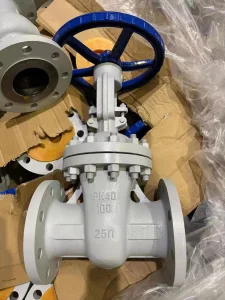
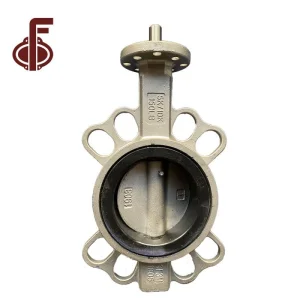
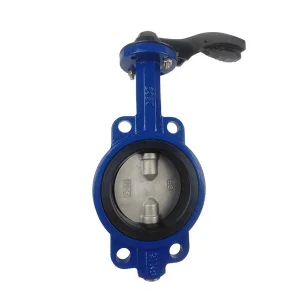
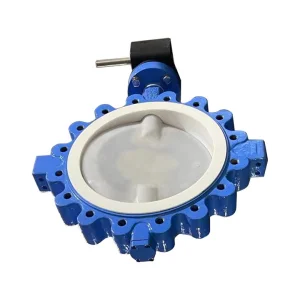
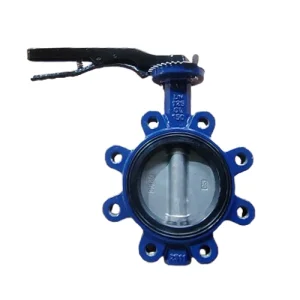
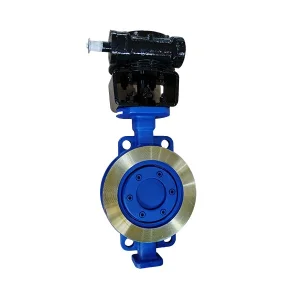
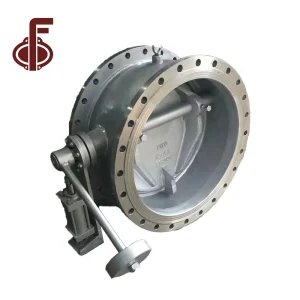
Featured Industrial Valve Manufacturing Showcase (Series II)
Heavy-duty cast steel, ductile iron, and specialty alloy flow control valves for power generation, petrochemical processing, slurry handling, and municipal infrastructure.
Initiate OEM API 609 Engineering Consultation & Factory Audit
Direct factory access for EPC project bidding, customized CAD/SolidWorks design reviews, special alloy material casting, automated valve packages, and global container freight dispatch within 24 hours.
