
Precision Flow Control Infrastructure & Valves
Explore our heavy-duty industrial valves configured for pneumatic automation, hazardous operations, and high-pressure media pipelines.
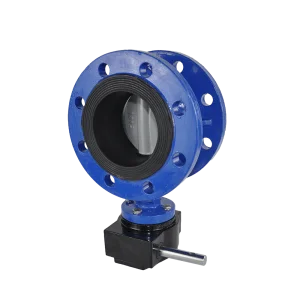
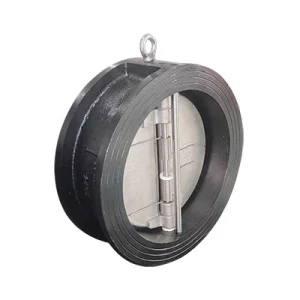
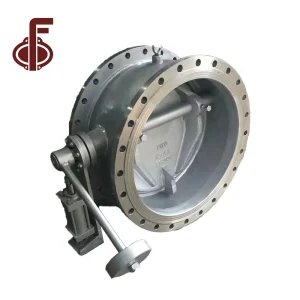
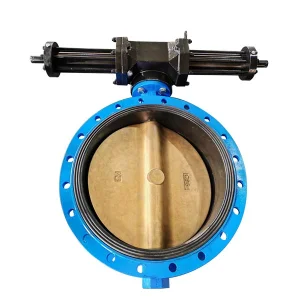
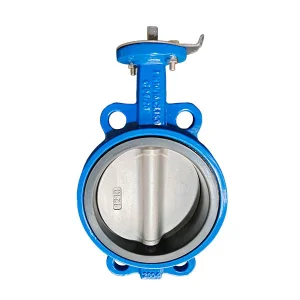
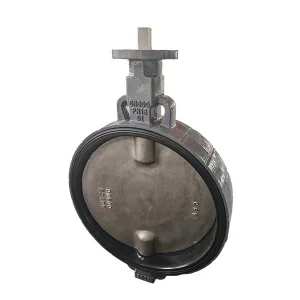
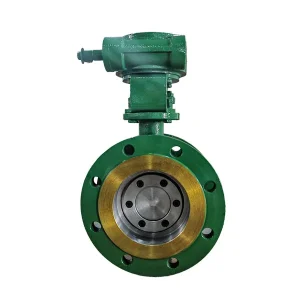
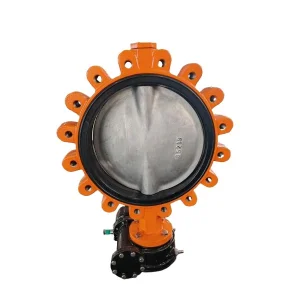
Macro Trends: Pneumatically Actuated Valves in Process Automation
A technical examination of industrial flow automation architectures, life-cycle reliability, and modern operational demands.
Modern industrial processing plants operate under unprecedented pressure to optimize unit productivity, reduce carbon intensity, and guarantee operational uptime. Within this landscape, the pairing of quarter-turn butterfly valves with pneumatic actuators represents the global engineering standard for responsive, intrinsically safe fluid routing and throttling. From massive municipal wastewater desalination facilities to hyperscale chemical synthesis trains, automated pneumatic butterfly valves offer substantial advantages over heavier, slower-moving gate or globe valves.
Unlike electromechanically actuated valves, pneumatic actuators—powered by compressed instrument air operating between 3 to 8 bar—provide exceptionally rapid stroke times (<1 second in critical shut-off events), natural explosion-proof safety (ATEX compliance without costly flameproof enclosures), and continuous high-cycle performance. Rack-and-pinion and scotch-yoke pneumatic drives, when coupled directly with double-eccentric and triple-offset butterfly valves via standardized ISO 5211 mounting interfaces, eliminate stem side-loading and hysteresis. This configuration yields repeatable class VI shut-off across millions of cycles.
Transient Response & Fail-Safe Modes
Spring-return (single-acting) configurations guarantee immediate fail-open or fail-close mechanical action upon loss of plant instrument air or electrical signaling, safeguarding upstream compressors and reactors.
Intelligent Digital Positioner Loop
Integration with electro-pneumatic digital positioners utilizing HART, Foundation Fieldbus, and Profibus DP protocols facilitates predictive maintenance via continuous online diagnostic stem friction monitoring.
Fugitive Emission Mitigation
Advanced live-loaded chevron PTFE and graphite stem packing stacks comply rigorously with ISO 15848-1 Class AH specifications, eliminating fugitive VOC emissions in aggressive hydrocarbon environments.
Technical Specification & Material Selection Matrix
Precise metallurgical formulation and elastomeric profiling ensure operational longevity across diverse fluid velocities and corrosive media.
| Valve Component | Material Specification | Applicable Standards | Primary Industrial Use Case |
|---|---|---|---|
| Valve Body | Ductile Iron (GGG40 / GGG50), WCB, CF8M, Duplex 2205 | ASTM A536, ASTM A216, EN 1563 | Municipal potable water, petrochemical refining, offshore seawater |
| Disc Substrate | CF8, CF8M (316 SS), Aluminum Bronze C954, Hastelloy C276 | ASTM A351, ASTM B148, EN 10213 | Brine RO systems, chemical slurries, low-viscosity hydrocarbons |
| Resilient & Metal Seats | Vulcanized EPDM, Hydrogenated NBR, Pure PTFE, Stellite No.6 | FDA CFR 177.2600, WRAS, EN 681-1 | Potable distribution, hydrocarbon pipelines, ultra-high temp steam (+450°C) |
| Actuator Body | Extruded Aluminum Alloy (Hard Anodized), 316L SS | NAMUR VDI/VDE 3845, ISO 5211 | Corrosive coastal atmospheres, chemical washdowns, cleanroom plants |
| Stem Packing & Bearings | PTFE-lined sintered bronze bearings, live-loaded Grafoil | ISO 15848-1, API 609 Cat. B | Zero fugitive emissions compliance under dynamic cycling loads |
High-Cycle Life Actuation
Actuator cylinders receive internal diamond-honed honing and PTFE-impregnated low-friction guide bands, achieving >1,000,000 continuous operating cycles without seal degradation.
Low-Torque Disc Geometry
Hydrodynamic streamlined disc contours minimize flow turbulence, drastically lowering cavitation coefficients ($K_v$/$C_v$ optimization) and reducing requisite actuator torque by up to 25%.
Universal ISO 5211 Flange
Precision-machined actuator top flanges with standardized dual-key or double-square drive shaft connections enable direct mounting without custom intermediate brackets.
Rapid Pneumatic Response
Dual-port high-flow air channels allow full 0° to 90° stroke modulation in 0.4 to 1.2 seconds, complete with external stroke adjustment bolts (±5°) for exact end-position seating.
China Factory Hub: Vertical Manufacturing Resilience
Combining world-class in-house foundry capacity, robotic CNC machining lines, and rigorous cleanroom pneumatic assembly in Tianjin, China.
For global engineering, procurement, and construction (EPC) conglomerates and international valve distributors, supplier supply-chain resilience is non-negotiable. Tianjin Zhongfa Valve Co., Ltd. (ZFA) mitigates geopolitical and raw material volatility through comprehensive vertical integration. By coupling dedicated iron casting foundries with automated CNC horizontal machining centers, ZFA controls the manufacturing lifecycle from raw pig iron and stainless scrap down to finished pneumatic actuator calibration.
Our Tianjin smart-manufacturing facility utilizes computerized coordinate measuring machines (CMM) to ensure disc profile tolerances within ±0.015mm, guaranteeing uniform radial interference against EPDM, NBR, and PTFE seats. Furthermore, each assembled OEM pneumatic package undergoes automated hydrostatic pressure testing per API 598 and EN 12266-1, followed by 5-point calibration testing under pneumatic load to ensure zero slip-stick behavior and verifiable Class A seat tightness.
Tailored Valve Performance for Complex Industry Terrains
Precision-configured configurations engineered to meet the distinct fluid and atmospheric challenges of regional deployments.
Middle East Seawater Desalination (SWRO)
High-salinity, high-chloride intake manifolds require corrosion-immune configurations. We provide C95400 nickel-aluminum bronze and Duplex 2205 discs paired with high-build 300μm fusion-bonded epoxy (FBE) ductile iron bodies, driven by marine-grade polyurethane-coated pneumatic actuators.
European District Energy & HVAC
Stringent thermal and low-noise guidelines in municipal hydronic loops demand micro-stepping modulation. Our double-eccentric wafer and lugged valves combine peroxide-cured EPDM resilient seats with 4–20mA modulating electro-pneumatic positioners for balanced zone control.
North American Chemical Processing
For caustic solvent extraction and chlor-alkali plants, virgin and conductive PTFE-lined split-body butterfly valves eliminate chemical attack. Paired with explosion-proof Class I Div 1 solenoid pilots and NAMUR limit switches for full digital interlock security.
Auditable Global Compliance & Engineering Standards
Empowering plant designers to specify ZFA flow components confidently into international infrastructure projects.
EN 10204 3.1 Certification
Every OEM production batch is shipped with full 3.1 chemical analysis, tensile testing, and impact test documentation mapped to discrete foundry melt heats.
CE / Pressure Equipment Directive
Certified in compliance with PED 2014/68/EU Module H, authorizing our assemblies for high-pressure gaseous and liquid service across the European Union.
Universal Flange Accommodation
Precision-machined body drillings align universally across ASME B16.5 Class 150, EN 1092-1 PN10/PN16, JIS 10K, and AS 2129 Table E flange patterns.
ISO 9001:2015 QMS Audited
Continuous quality audits govern casting sand preparation, dimensional CNC tolerances, cleanroom O-ring seating, and multi-stage crating protection.
Technical Roadmap: Next-Generation Smart Valve Solutions
Anticipating the demands of smart industrial ecosystems through integrated sensing and reduced carbon impact.
The valve automation sector is evolving from passive mechanical actuation into an era of intelligent, connected fluid control nodes. ZFA Valve's research and development roadmap focuses on embedding Industrial Internet of Things (IIoT) capabilities directly into our pneumatic actuators. By integrating ultra-low-power vibration, air consumption, and acoustic leak-detection sensors within the actuator body, our systems proactively alert central SCADA platforms of impending seal fatigue, gland wear, or supply-air fluctuations before catastrophic downtime occurs.
Simultaneously, decarbonization initiatives across heavy industry are steering material choices toward lightweight composite discs and additive-manufactured flow retainers that lower total operating torque. This torque reduction enables process plants to utilize smaller actuator frame sizes, dramatically decreasing consumption of plant compressed air and contributing directly to lower overall Scope 2 carbon emissions across life-cycle infrastructure operations.
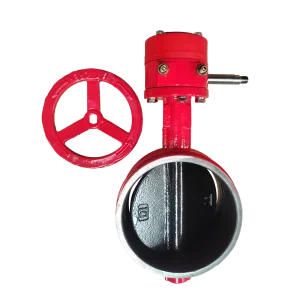
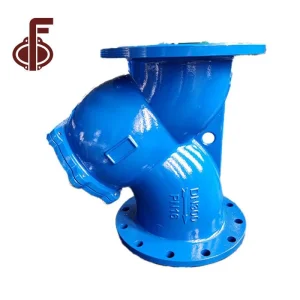
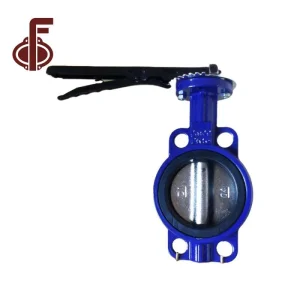
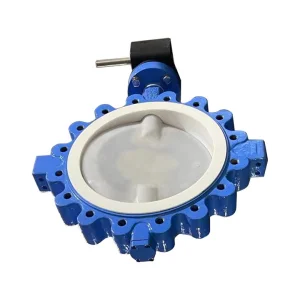
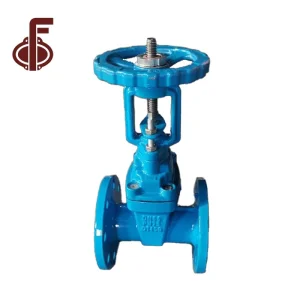
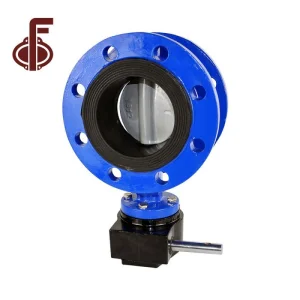
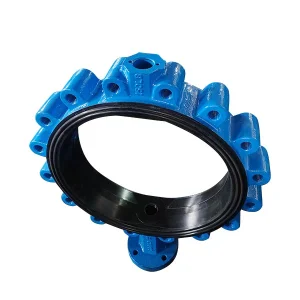
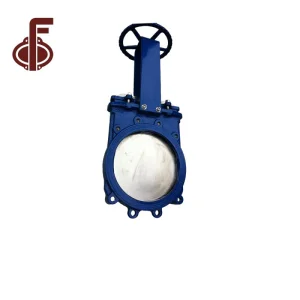
Heavy Industrial Isolation, Gate & Strainer Equipment
Broaden your procurement project specifications with matching heavy-hammer, grooved, knife-gate, and soft-sealing fluid infrastructure.
Frequently Asked Questions on Pneumatic Butterfly Valves
In-depth responses curated by our chief automation engineers to streamline RFQ development and technical validation.
How do double-acting vs spring-return pneumatic actuators compare?
Double-acting (DA) actuators require continuous air supply pressure to execute both opening and closing strokes, making them lighter, smaller, and cost-effective. Spring-return (SR) actuators feature internal pre-compressed spring cartridges that automatically force the valve into a pre-set safe position (fail-closed or fail-open) upon air pressure loss.
What safety margin factor is applied when sizing pneumatic actuators?
We typically apply a safety torque factor of 25% to 30% for clean lubricating fluids (water, light oils). For high-viscosity slurries, dry powders, or scaling media where unseating torque increases over time, we incorporate a 40% to 50% safety factor above the valve's nominal breakaway seating torque.
Can ZFA supply custom private-label OEM valve branding?
Yes. As a genuine OEM manufacturer, we provide turnkey customization: casting your registered trademark/brand onto valve bodies, custom powder coating colors (RAL spec), laser-engraved stainless steel nameplates with project tag numbers, and custom-branded export crating.
What accessories can be integrated on your pneumatic packages?
Our pneumatic automated assemblies support full accessory integration: 24VDC/220VAC explosion-proof solenoid valves (NAMUR mounted), micro-switch/proximity limit switch boxes, intelligent electro-pneumatic 4–20mA positioners (HART enabled), air filter regulators, and manual declutchable gearboxes for emergency override.
Which elastomeric seat material should be specified for my media?
Specify EPDM for municipal water, HVAC hydronics, and mild alkalis (-20°C to +120°C); NBR (Buna-N) for hydrocarbons, oils, compressed air, and hydraulic systems (-10°C to +82°C); and virgin PTFE or RTFE for corrosive acids, aggressive solvents, and food-grade sterile processing lines.
How does ZFA guarantee pressure and seat containment integrity?
Every single valve undergoes 100% factory hydrostatic shell testing at 1.5x nominal pressure rating and seat sealing leakage testing at 1.1x nominal pressure rating in strict compliance with API 598 and ISO 5208 before packing. Zero leakage is confirmed prior to sign-off.
