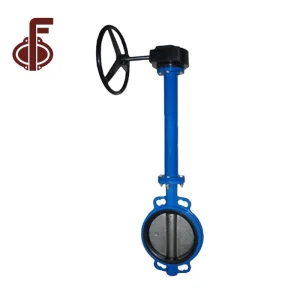
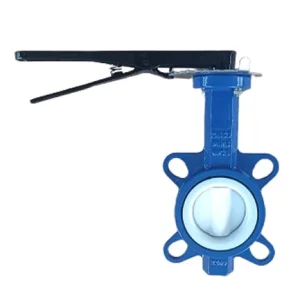
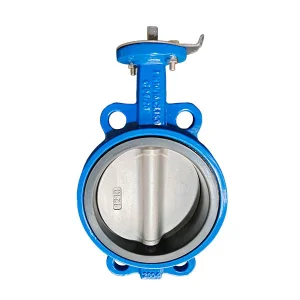
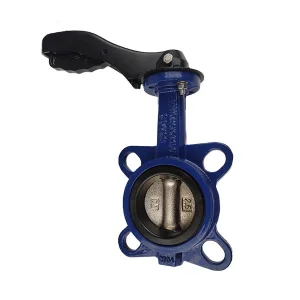
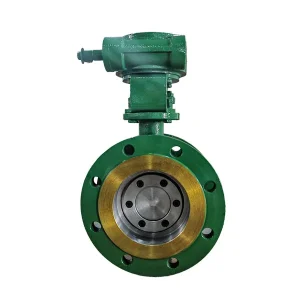
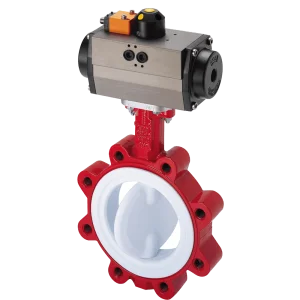
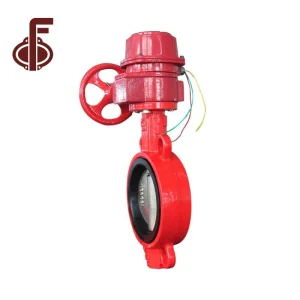
Heavy-Duty Actuation Compatible Valve Solutions
Engineered for immediate integration with intelligent OEM actuators, electric multi-turn gearheads, and fail-safe pneumatic linkages. Precision-machined ISO 5210 mounting pads ensure zero shaft runout and zero-loss torque transmission.
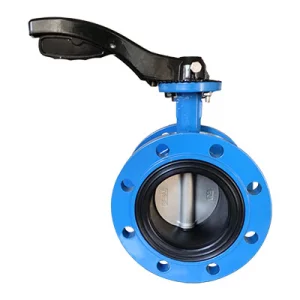
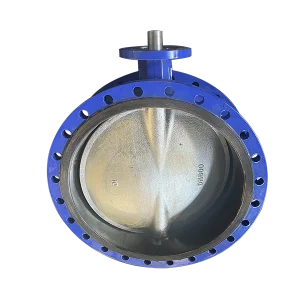
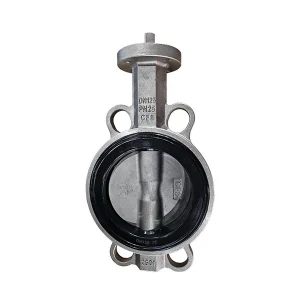
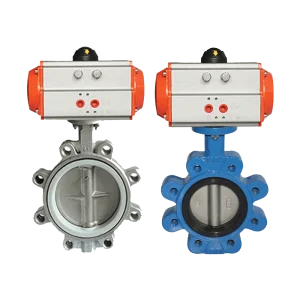
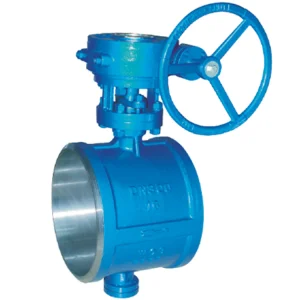
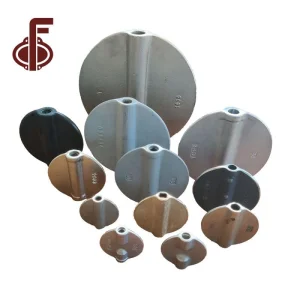
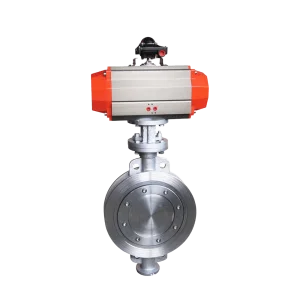
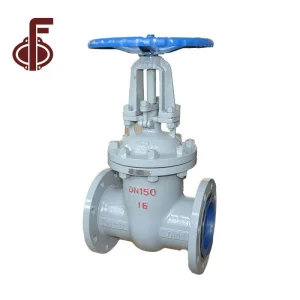
Global Status of Gate Valve Actuation in Heavy Infrastructure
Modern heavy industry mandates automated gate valve operations capable of withstanding extreme linear thrust, high static line pressures, and hostile ambient conditions. Linear gate movement introduces complex mechanical friction dynamics requiring deep torque curve analysis.
Municipal & Desalination Megaprojects
Water transport arteries utilize large-diameter knife gate and wedge gate valves ranging from DN400 to DN2400. In high-flow conditions, hydraulic water hammer and differential seat jamming necessitate actuators configured with non-intrusive variable speed motors and adjustable seating torque limiters.
Oil & Gas / Petrochemical Infrastructure
API 6D through-conduit and expanding gate valves operate under severe pressures up to Class 2500. OEM actuators must deliver explosion-proof ATEX/IECEx enclosures, SIL-3 functional safety certifications, and emergency fire-safe shutdown (ESD) spring-return mechanics.
District Energy & Thermal Power
Superheated steam isolation relies on flexible wedge cast steel gate valves. Actuation packages must counteract thermal binding—where thermal expansion of the gate locks metal seating faces into the body seats during shut-off cool-down cycles.
Tianjin Supply Chain Synergy: Engineering Efficiency for Global OEMs
Combining advanced automated robotic foundry casting, high-precision multiaxis horizontal machining centers, and local material ecosystems to deliver high-integrity actuated gate valve packages at global pricing benchmarks.
Integrated Pattern & Shell Casting
By controlling precision resin sand casting and lost-foam molding in Tianjin, internal metallurgy is optimized for high tensile strength (ASTM A216 WCB, Ductile Iron GGG40/50, and CF8M). Shrinkage defects and internal porosity are eliminated using predictive solidification simulation.
Standardized Flange Interfaces
Multi-axis automated machining coordinates actuator top-works directly to ISO 5210 standard flange configurations (F07 through F35). Standardized stem-nut threading (trapezoidal Acme threads) guarantees seamless interchangeability with Rotork, Auma, Limitorque, and OEM actuators.
Factory Verification & Traceability
Each complete package undergoes hydro shell testing at 1.5x working pressure, bi-directional air seat leak testing according to API 598 Rate A, and computerized dynamic torque draw profiling before packaging in marine-grade fumigated crates.
Technical Specification Matrix: Gate Valve Actuation Protocols
Comprehensive baseline parameter selection table for valve automation engineers, procurement officers, and technical project consultants.
| Actuator Typology | Primary Kinetic Output | Thrust / Torque Range | Control Signal Interfaces | Target Valve Architecture | Critical Failure Mode |
|---|---|---|---|---|---|
| Multi-Turn Intelligent Electric | Rotary into Linear via Stem Nut | 15 Nm to 3,500 Nm (Up to 500 kN Linear) | 4-20mA, Modbus RTU, Profibus DP, Foundation Fieldbus | OS&Y Wedge Gate, Expanding Conduits | Fail-As-Is / Supercapacitor Backup |
| Pneumatic Linear Piston Cylinder | Direct High-Velocity Linear Thrust | 3 kN to 320 kN Thrust Force | 3-15 psi Pneumatic, 24VDC Solenoid Pilot | Knife Gate Valves, Slurry Slide Gates | Mechanical Spring Return Fail-Open/Fail-Closed |
| Electro-Hydraulic Power Unit | High-Pressure Fluid Dynamic Thrust | 50 kN to 1,200 kN Continuous Thrust | Hart Protocol, WirelessHART, Digital Discrete | Subsea Gate Valves, High-Pressure Pipeline Isolation | Hydraulic Accumulator Assisted Tripping (<1.5s) |
| Multi-Turn Bevel Gear Manual/Motorized | High-Ratio Mechanical Multiplication | Ratios from 2:1 up to 180:1 | Mechanical Input Shaft / Portable Air Drivers | Large-Bore Resilient & Metal Seated Sluice Gates | Self-Locking Trapezoidal Thread Hold |
Emerging Actuation Technology Trends for 2026–2030
Industrial automation is moving beyond simple on/off remote commands toward intelligent asset monitoring and sustainable electrification.
IIoT Diagnostic Telemetry & Edge AI
Actuators incorporate microprocessors that constantly monitor running motor current, ambient temperature, vibration frequencies, and stroke travel speed. Machine learning models analyze deviations in stem friction profiles to detect packing-gland over-tightening or particulate buildup before valve seizure occurs.
Low-Emission Electrification
Environmental regulations around methane emissions are driving oil and gas operators to phase out gas-operated pneumatic actuators. They are being replaced by ultra-low-power DC brushless electric actuators powered by solar panels and micro-battery stations in remote gathering pipelines.
Fail-Safe Supercapacitor Technology
Traditional mechanical spring-return assemblies add significant weight and bulk to large gate valves. Next-generation multi-turn actuators incorporate solid-state electrostatic supercapacitor banks that deliver immediate emergency return travel on power outage without pneumatic piping.
Engineering & Procurement FAQ for Gate Valve Actuation
Clear answers to the most common technical questions encountered during project specification and factory acceptance testing.
How is actuator sizing thrust calculated for rising-stem wedge gate valves?
Actuator sizing for gate valves involves calculating three distinct resistance components: (1) Piston/Stem Hydrostatic Force, created by line pressure acting against the cross-sectional area of the stem; (2) Disk Differential Pressure Friction, resulting from the differential line pressure pressing the gate disk against the downstream seat ring multiplied by the seat friction coefficient (typically 0.25 to 0.35 for metal seats); and (3) Stem Packing Friction. Total linear pull force is then translated into required input torque via the stem pitch, lead angle, and thread efficiency (ISO 5210 Annex C).
What is the difference between modulating and on/off service for gate valve actuators?
Gate valves are fundamentally engineered for full isolation (on/off service). Operating a standard wedge or knife gate valve in intermediate throttling positions subjects the gate wedge and guiding ribs to high-velocity cavitation, vibration, and wire-drawing erosion. Consequently, actuators on gate valves are almost exclusively configured for Class A (On/Off) or Class B (Inching/Positioning) service under ISO 22153, rather than continuous Class C modulation.
Can ZFA manufacture custom mounting brackets and stem extensions?
Yes. As an OEM manufacturer, our engineering department designs and machines custom fabricated or ductile iron bonnet extension columns, buried service spindle extensions, and intermediate gear reducers matching ISO 5210/5211 flange dimensions (e.g., F10, F14, F16, F25) to pair with any client-specified actuator brand.
How do factory engineers counteract thermal binding and pressure locking?
Pressure locking happens when liquid gets trapped in the bonnet cavity of a closed flexible wedge gate valve and heats up, causing pressure build-up. Thermal binding occurs when high-temperature steam lines cool down and compress the valve wedge between its seats. We counter these issues by drilling internal pressure-relief balance holes, adding external bonnet bypass loops, and programming torque-bypass profiles into the actuator firmware.
What documentation is delivered with an OEM actuator package?
Every actuated package ships with a complete Quality Dossier: EN 10204 Type 3.1 Mill Test Certificates for pressure-retaining parts, hydrostatic test charts, factory acceptance test (FAT) operational verification sheets, paint thickness DFT certificates, wiring schematics, and actuator calibration records.
Industrial Actuation-Ready Flow Hardware
Engineered for direct retrofitting and global plant deployment across process, marine, chemical, and municipal infrastructures.