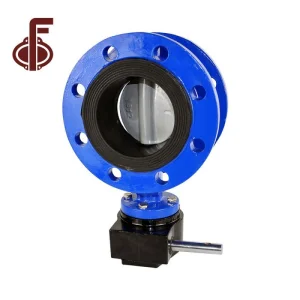
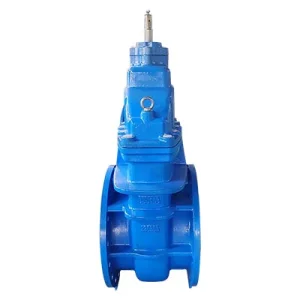
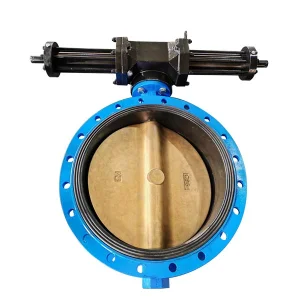
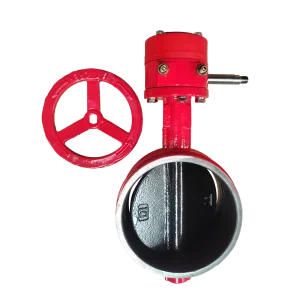
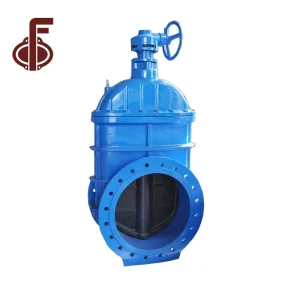
Engineered Severe-Service Valve Solutions (Series A)
Explore our precision-machined OEM stainless steel and ductile iron flow control assemblies, manufactured strictly to ANSI Class 150/300 and DIN PN10/PN16 tolerance standards.
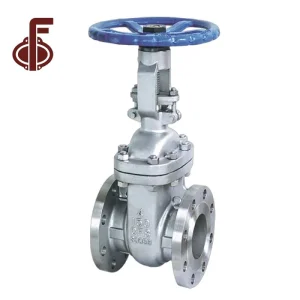
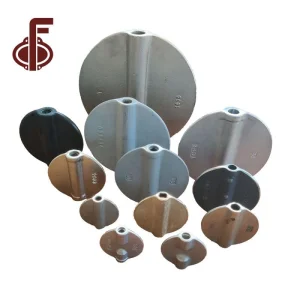
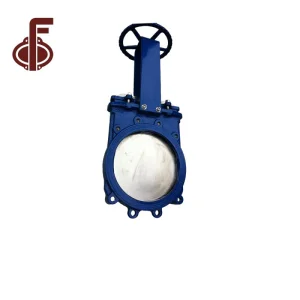
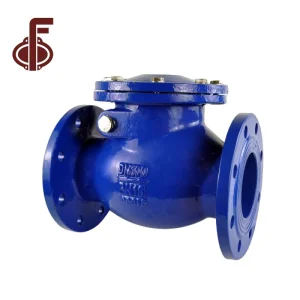
The Global Commercial Shift Toward Stainless Steel Flow Solutions
Engineering transitions toward high-purity processing, aggressive media transport, and zero-fugitive emission standards are redefining fluid isolation requirements worldwide.
Valve Architectures: Concentric, Double Offset & Triple Eccentric
Selecting the correct mechanical kinematics and metallurgy dictates flow dynamics, seat friction, operational torque, and thermal resilience under severe cycle demands.
Concentric (Resilient Lined)
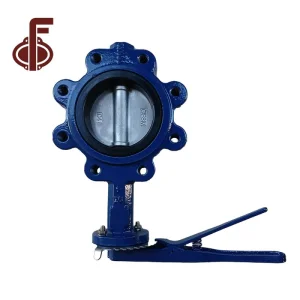
The stem axis and disc center align symmetrically with the valve bore. Features a precision-vulcanized or replaceable elastomer liner (EPDM, NBR, Viton, or PTFE) completely isolating the valve body from the fluid media. Ideal for low-to-medium pressure utility isolation (up to PN16 / Class 150) where cost-efficiency and bidirectional bubble-tight sealing are paramount.
Double Eccentric (High Performance)
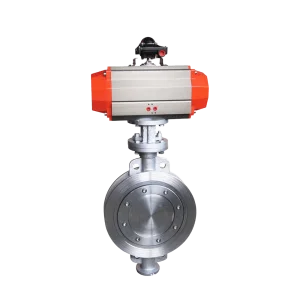
Designed with two deliberate shaft offsets: Offset 1 displaces the shaft behind the sealing plane; Offset 2 displaces the shaft slightly to the side of the pipe centerline. This camming action causes the disc to lift immediately off the seat upon rotation, minimizing mechanical wear, extending cycle endurance, and allowing high-cycle actuation in hydrocarbon and steam lines.
Triple Offset (Severe TOV)
Integrates a third geometric angular offset: a conical sealing profile machined into the stellite-hardfaced body and laminated stainless/graphite disc ring. Provides a pure friction-free, non-rubbing wedging mechanism. Delivers genuine bi-directional zero leakage at temperatures from -196°C to +550°C and pressures reaching ASME Class 600 in critical refining and cryogenic LNG loops.
| Alloy Specification | Common Designation | PREN Rating | Tensile Strength (MPa) | Optimal Media & Process Environment |
|---|---|---|---|---|
| ASTM A351 CF8 | AISI 304 Stainless Steel | ≥ 18.0 | ≥ 485 | Demineralized water, HVAC, food processing, cryogenic nitrogen service down to -196°C. |
| ASTM A351 CF8M | AISI 316 Stainless Steel (2-3% Mo) | ≥ 23.5 | ≥ 485 | Moderate chlorides, dilute sulfuric and acetic acids, pulp slurries, marine utility systems. |
| ASTM A351 CF3M | AISI 316L (Low Carbon ≤0.03%) | ≥ 23.5 | ≥ 485 | High-weldability process skids; immune to carbide precipitation and weld intergranular attack. |
| ASTM A890 4A (CD3MN) | 2205 Duplex Stainless | ≥ 34.0 | ≥ 620 | High-pressure desalination brine pumps, aggressive sour crude with H2S, coastal chemical plants. |
| ASTM A890 5A (CE3MN) | 2507 Super Duplex Stainless | ≥ 42.0 | ≥ 690 | High-temperature concentrated brine, offshore riser headers, phosphoric acid reactors. |
The Chinese Advanced Manufacturing Ecosystem: OEM Speed & Precision
Bridging rigorous western engineering governance with rapid turnaround, localized metallurgical clusters, and vertically integrated machining operations.
Vertically Integrated Supply Chain
By co-locating foundries, elastomer compounding plants, pattern shops, and precision machining cells within 50 kilometers, OEM valve lead times are compressed from European averages of 16–22 weeks down to an agile 4–6 weeks for custom alloy fabrications.
Robotic Machining & Repeatability
Multi-axis horizontal boring mills and computerized dynamic disc-balancing machines guarantee stem runout within 0.015 mm. Seat contouring tolerances are strictly enforced to preserve precise contact angles and eliminate seat binding or excessive break-away torque.
Total Quality Verification (E-E-A-T)
Zero tolerance for sub-standard raw metallurgy. Every heat undergoes optical emission spectroscopy (OES), ultrasonic examination per ASME Section V, dye penetrant inspection, and full hydrostatic/pneumatic pressure testing per API 598 with 3.1 MTR validation.
Engineered Deployment Across Severe Operating Scenarios
How specialized stainless steel butterfly valve configurations conquer corrosive, abrasive, and thermally demanding industrial process loops.
SWRO Desalination Plants
High-chloride seawater operating at 65-80 bar necessitates CD4MCu or 2507 Super Duplex disc materials with vulcanized pure EPDM or rubber linings to resist pitting attack, crevice erosion, and cavitation at high-velocity throttling.
Petrochemical & Corrosive Acid
ASTM A351 CF8M bodies paired with Virgin/Conductive PTFE linings or Stellite metal seats maintain bubble-tight containment in aggressive organic solvents, nitric acid, and sulfuric wash columns without elastomer embrittlement.
Hygienic Food & Pharma Cleanrooms
Electropolished SS316L discs (surface finish Ra < 0.4 µm) with FDA 21 CFR 177.2600 compliant white silicone or PTFE seals guarantee ultra-pure sanitary flow, zero dead-leg retention, and CIP/SIP steam sterilization compatibility.
Cryogenic LNG & Gas Separation
Extended-bonnet triple offset stainless steel valves feature pure graphite packing and dynamic metal laminated seals to retain elasticity at -196°C, preventing stem freeze and maintaining fire-safe integrity per API 607.
International Specification & Sourcing Compliance Framework
Procurement datasheets must cross-reference international standards to assure inter-compatibility with piping spools, actuation systems, and safety directives.
| Evaluation Parameter | American Standard (ASME / API) | European Harmonized (EN / DIN) | International Standard (ISO) |
|---|---|---|---|
| Design & Shell Wall Thickness | API 609 / ASME B16.34 Class 150/300 | EN 593 / EN 12516-1 PN10/PN16/PN25 | ISO 10631 / ISO 5752 |
| Face-to-Face Dimensions | API 609 Table 1 (Wafer/Lug), ASME B16.10 | EN 558-1 Series 20 (Wafer), Series 13/14 | ISO 5752 Basic Series |
| Flange Drilling & Compatibility | ASME B16.5 Class 150/300 / B16.47 Series A | EN 1092-1 Type 11 PN10 / PN16 / PN25 | ISO 7005-1 / JIS B2220 / BS 4504 |
| Actuator Top-Flange Interface | ISO 5211 Direct Mounting Dimensions | EN ISO 5211 F05 / F07 / F10 / F12 / F14 | ISO 5211 Standardized Drive Shaft |
| Pressure Testing & Leakage Rate | API 598 (Zero Leakage Elastic/Metal) | EN 12266-1 Rate A (Bubble Tight) | ISO 5208 Rate A (Liquid & Gas) |
| Fugitive Emissions Containment | API 641 (Quarter-Turn Fugitive Emissions) | EN ISO 15848-1 Class AH / BH Tightness | ISO 15848-2 Production Testing |
| Fire-Safe Qualification | API 607 7th Edition / API 6FA | EN ISO 10497 Fire Type Test | ISO 10497 Certified Trim |
The Decarbonization & Intelligent Automation Frontier
Pioneering innovations shaping the next generation of flow control: fugitive emission mitigation, lightweight metallurgical geometries, and IoT telemetry.
Zero-Fugitive Emission Packing
With aggressive global Net-Zero emission enforcement, valve gland packings are the primary locus of fugitive methane and VOC losses. Next-gen stainless steel butterfly valves employ live-loaded Belleville spring packing stacks paired with die-formed flexible graphite rings, fully compliant with ISO 15848-1 tightness Class AH (≤10⁻⁶ mg·s⁻¹·m⁻¹).
Smart Actuation & Condition Telemetry
Modern process facilities demand digital twins. Our OEM valve platforms support direct-mount smart pneumatic and electric actuators equipped with HART, Foundation Fieldbus, or Modbus protocols. Continuous torque feedback, acoustic emission leakage sensors, and stroke signature tracking anticipate seat degradation before failure happens.
CFD-Optimized Hydrodynamic Discs
By leveraging computational fluid dynamics (CFD) and structural topology optimization, disc thicknesses are re-profiled to minimize flow resistance. This increases the flow coefficient (Cv) by up to 18% compared to standard disc shapes, reducing parasitic pumping power consumption across thousands of operational hours.
Frequently Asked Questions by EPCs & Global Procurement Engineers
Direct answers to the most common metallurgical, commercial, and operational questions received by our valve engineering team.
How do you verify genuine stainless steel metallurgy against counterfeit or scrap-grade alloys?
When should an engineer specify a Double Eccentric valve instead of a Concentric Butterfly Valve?
What are the practical pressure limitations of Wafer vs. Lug vs. Double Flanged valve body styles?
How does ZFA Valve manage actuator sizing and safety torque margins?
What is the distinction between ASTM A351 CF8M and commercial 316 rolled bar stock?
Can your factory provide private label OEM branding, custom tagging, and localized coatings?
Engineered Severe-Service Valve Solutions (Series B)
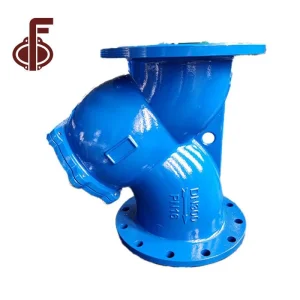
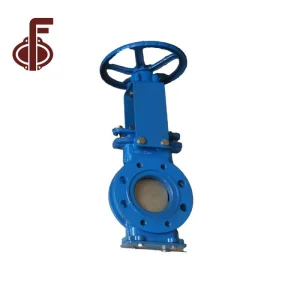
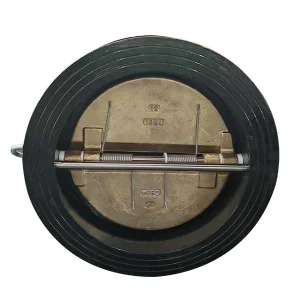
Complementary flow isolation, pipeline strainers, non-return check valves, and resilient seated gate valves manufactured under ISO 9001 quality supervision.