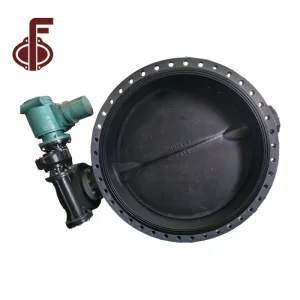
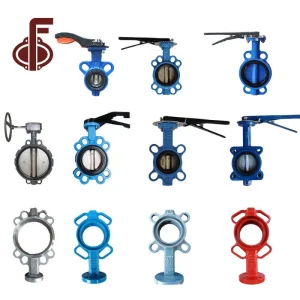
Industrial Butterfly & Utility Valves Lineup
OEM-certified pipeline isolation, fire remote-signaling, and abrasive media solutions manufactured with ultra-durable alloys and elastomers.
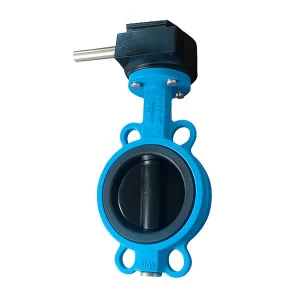
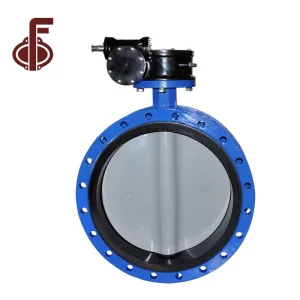
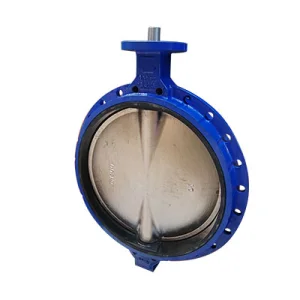
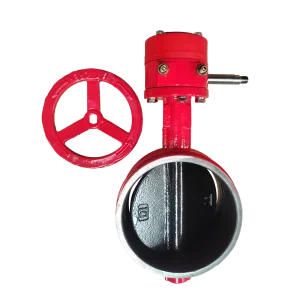
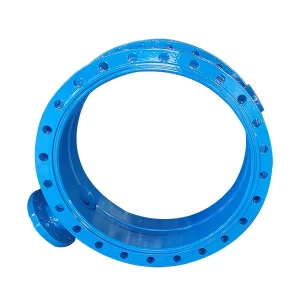
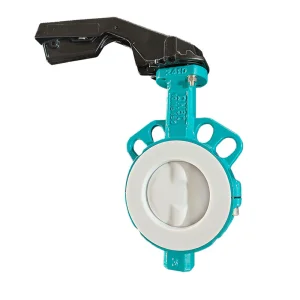
Comprehensive Butterfly Valve Architectural Types
OEM structural typologies categorised by shaft offset geometry, mechanical sealing mechanisms, and pipeline mounting configurations.
Concentric (Resilient Seated)
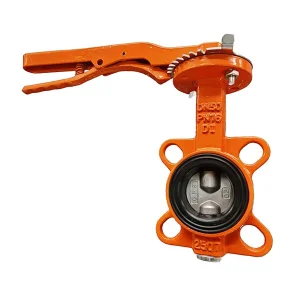
Features a centered stem passing symmetrically through the disc. Relies on elastomer interference fit (EPDM, NBR, Viton, or PTFE liners). Engineered for low-to-medium pressure utility systems, district heating, and municipal water purification.
Double Eccentric (High Performance)
Two distinct shaft offsets displace the disc from the valve seat during rotation. Significantly diminishes wear, lowers friction torque, and extends operating cycles for hydrocarbon treatment, clean steam, and power generation installations.
Triple Eccentric (TOV / Zero Leakage)
Incorporates an elliptical conical sealing geometry eliminating friction along the entire 90-degree swing path. Provides bidirectional bubble-tight shutoff (API 598) under extreme temperatures (-196°C cryogenic up to +600°C severe thermal duty).
| Valve Category | Offset Principle | Seal Metallurgy / Elastomer | Pressure Matrix | Primary Industrial Sector |
|---|---|---|---|---|
| Concentric Wafer/Lug | Zero Offset (Centerline) | EPDM, NBR, Viton, Fully Lined PTFE | PN6 – PN25 / Class 125-150 | HVAC, Municipal Potable & Wastewater |
| Double Offset HPBV | Offset 1 (Shaft) + Offset 2 (Disc) | Reinforced PTFE, RPTFE, SS316 | PN10 – PN50 / Class 150-300 | Chemical Refining, Petrochemical, Desalination |
| Triple Offset (TOV) | Offsets 1, 2 + Conical Seat Angle | Stellite Hardfacing, Laminated SS/Graphite | PN16 – PN100 / Class 150-600 | LNG Cryogenics, Power Plants, Steam Isolation |
China Factory 4.0: Supply Chain Resilience & OEM Capacity
How modernized industrial manufacturing clusters in China deliver sustainable cost benefits, uncompromising metallurgy, and predictable project lead times.
Automated Shell Moulding
Digitally monitored robotic foundries guarantee optimal metallurgical grain density for Ductile Iron (QT450-10), WCB, CF8M, and duplex steels, preventing internal micro-porosity.
CNC Multi-Axis Machining
Multi-axis horizontal CNC cells provide micro-level tolerance control on stem bores, seat profiles, and valve disc surfaces, minimizing breakout torque and operational wear.
100% Pressure Hydrotesting
Every fabricated unit undergoes hydrostatic shell strength testing at 1.5x PN and bidirectional seat leakage tests at 1.1x PN according to ISO 5208 and EN 12266-1 standards.
Direct Export Logistics
Located near major deep-water ports (Tianjin Port), providing integrated custom clearance, export crating, and direct supply-chain containerization for multinational distributors.
Global Enterprise Procurement Demands: What EPC Buyers Look For
Navigating total cost of ownership (TCO), material traceability, and cross-border compliance in large-scale flow control contracts.
EN 10204 3.1 Traceability
Global procurement teams require heat-number tracing from cast furnace to final assembly. Mill test certificates document chemical composition and mechanical tensile properties for every batch.
Actuation Compatibility (ISO 5211)
Seamless integration with pneumatic, electric, and electro-hydraulic actuators. Standardised top-flange dimensions ensure plug-and-play mounting without customized bracket costs.
Protective Coating Systems
Electrostatic fusion bonded epoxy (FBE) powder coatings exceeding 250 microns ensure zero blistering and extreme resistance against maritime salt spray and underground soil chemistry.
Macro Industry Solutions & Localised Compliance Support
Engineered valve deployments engineered to address application-specific hydrodynamic friction, corrosive media, and regulatory constraints.
Municipal Water Treatment
Resilient seated wafer and flanged butterfly valves with WRAS/NSF certified EPDM seats guarantee contamination-free potable water distribution and cavitation resistance in high-head pump stations.
District HVAC & Power Networks
Gear-operated and motorized double eccentric butterfly valves manage balanced chilled water and high-temperature hydronic loops, offering optimized Cv flow characteristics and lower operating torque.
Aggressive Chemical & Corrosive Lines
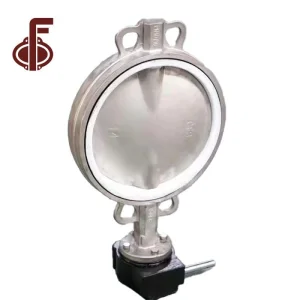
Wafer valves featuring full virgin PTFE/PFA linings isolate valve bodies completely from corrosive acids, chlor-alkali, and pickling fluids, providing absolute external environmental safety.
Technology Roadmap & Future Outlook
The convergence of industrial automation, predictive maintenance, and decarbonization trends reshaping modern valve manufacturing.
Smart IIoT Diagnostic Valves
Embedding temperature, pressure differential, and angular position micro-sensors directly within valve packing boxes enables real-time wear analytics and predictive maintenance warnings.
Low-Emission Fugitive Control
Refining stem packing chamber profiles to satisfy ISO 15848-1 and EPA Method 21 zero-fugitive emission requirements, mitigating greenhouse gas release in LNG and petrochemical pipelines.
Hydrodynamic Lightweighting
Utilizing high-end computational fluid dynamics (CFD) to design ultra-slim valve discs, significantly reducing cavitation damage, improving dynamic flow capacity, and saving raw material weight.
Frequently Asked Questions (FAQ)
Practical technical guidance addressing common engineering queries regarding valve selection, materials, and OEM capabilities.
What is the key functional difference between Wafer and Lug butterfly valve bodies?
Wafer butterfly valves are clamped directly between two pipeline flanges using full-length threaded studs. They are lighter and more economical but cannot be used for dead-end piping service. Lug-style butterfly valves have threaded threaded metal inserts flanking the body, allowing independent bolt connection on either side so downstream pipework can be safely dismantled without depressurizing the upstream loop.
How does an OEM factory guarantee zero seat leakage during high-pressure cycles?
Zero leakage relies on precision CNC stem tolerance, precise dovetail seat groove machining, and 100% factory hydro-testing under ISO 5208 Rate A criteria. In triple-eccentric metal configurations, precision angular grinding creates a frictionless cam action that provides mechanical wedging with metal-to-metal bubble-tight sealing.
Can you provide custom private-label casting and OEM coating colors?
Yes. As a full-scale OEM factory, we support customized brand name embossment directly on body castings, client-specified RAL color fusion epoxy coatings, laser etched nameplates with custom identification serial numbers, and specialized seaworthy plywood crates.
Which elastomer seat is best for seawater and marine desalination systems?
High-grade EPDM or rubber vulcanized bodies combined with Aluminum Bronze (C95800) or Duplex Stainless Steel (2205/2507) discs are ideal for seawater. For higher hydrocarbon traces or chemical treatments in desalination facilities, specialized Viton (FKM) or fully lined PTFE configurations provide optimum resistance.
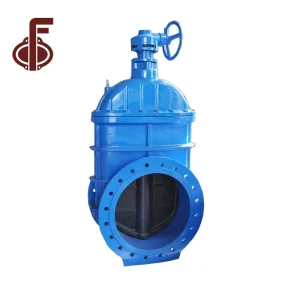
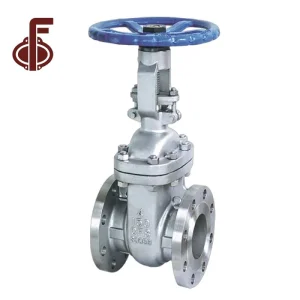
High-Pressure Flanged & Actuated Valve Series
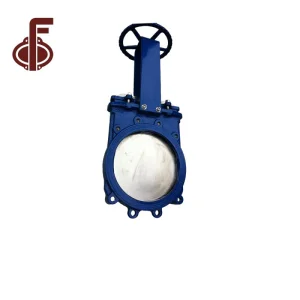
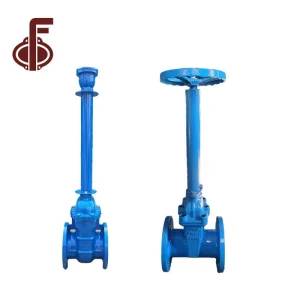
Engineered gate valves, actuated butterfly models, and carbon steel flow solutions tailored for petrochemical, steam, and municipal isolation.