
Primary Lineup
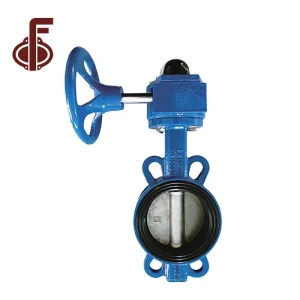
High-Integrity OEM Water Butterfly Valves (Series I)
Engineered to ASTM, ANSI, DIN, and ISO standards with vulcanized resilient and high-performance metallic seating options.
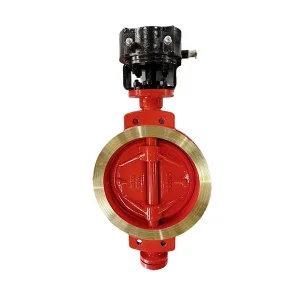
OEM 150LB WCB Wafer Triple Eccentric Butterfly Valve Manufacturer, Factories
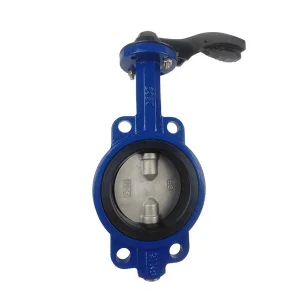
China DN100 4inch Hard Back Seat Wafer body Butterfly Valve Exporter, Exporters
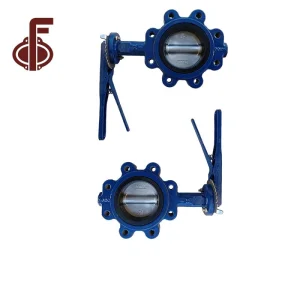
China Ductile Iron SS304 Disc Lug Type Butterfly Valves Manufacturers, Exporters
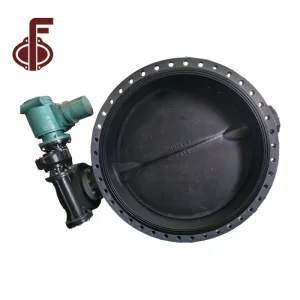
China Electric Rubber Full Lined Flange Type Butterfly Valve Manufacturer, Factory
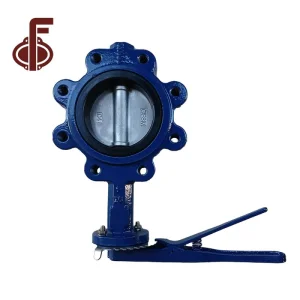
China Hand Lever Actuated Ductile Iron Lug Type Butterfly Valves Manufacturer, Exporters
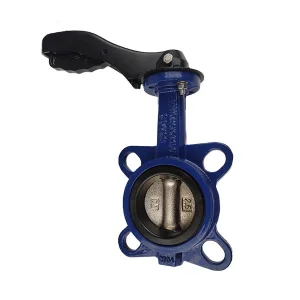
China Casting Iron Body EPDM Hard Back Seat Wafer Butterfly Valve Manufacturers, Exporter
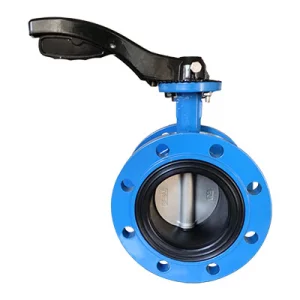
OEM EN593 Replaceable EPDM Seat DI Flange Butterfly Valve Manufacturer, Manufacturers
Global Industry Dynamics
Macro-Industrial Landscape & Supply Chain Reliability
In the contemporary municipal and industrial water sector, non-revenue water (NRW) reduction, zero-cavitation regulation, and life-cycle operational expenditure (OPEX) minimization have transformed the technical expectations placed on quarter-turn isolation devices.
38%
Global NRW Reduction Target
50,000+
Full Cycle Bi-Directional Seals
EN 12266-1
Rate A Zero Leakage Verified
100%
Hydrostatic Pressure Audited
Design Mastery
Precision Fluid Mechanics: Concentric, Double, & Triple Eccentric
A rigorous comparison of hydrodynamic profiles, wear reduction kinematics, and metallurgical options across primary valve classifications.
Concentric Resilient-Seated
Features an axially centered disc and stem enclosed in a high-elasticity bonded or replaceable elastomer liner (EPDM, NBR, Viton). Best suited for municipal potable water, low-pressure irrigation, and HVAC cooling loops.
- Kinematic Profile: Linear interference contact seal
- Sealing Efficiency: Bi-directional bubble-tight shutoff
- Optimum Sizing: DN40 to DN1200 (PN10/PN16)
- Key Benefit: Economical, low weight, field-renewable seat
Double Eccentric (High Performance)
Engineered with the stem offset from both the disc centerline and body bore. The cam-like action lifts the disc rapidly away from the PTFE or composite seat, preventing continuous friction and wear during cycling.
- Kinematic Profile: Cam-action reduces seat contact to last 5°
- Sealing Efficiency: Class VI tight shutoff at higher pressures
- Optimum Sizing: DN100 to DN2000 (PN16/PN25/Class 150)
- Key Benefit: Minimized seat abrasion, lower operating torque
Triple Eccentric (TOV / Zero Leakage)
Features an additional conical geometric angle offset. Eliminates all friction throughout the stroke, creating a pure wedging mechanical seal. Invaluable for high-temperature condensate, district heating, and steam isolation.
- Kinematic Profile: Pure rolling/wedging action, zero friction
- Sealing Efficiency: Metal-to-metal Fire Safe API 607/ISO 10497
- Optimum Sizing: DN80 to DN2800 (Class 150 to Class 600)
- Key Benefit: Extreme thermal resilience, non-jamming shutoff
| Component | Standard Metallurgy | Severe Service Options | Operational Function & Resilience Advantage |
|---|---|---|---|
| Valve Body | Ductile Iron (QT450-10 / GGG40 / A536) | WCB, CF8M (SS316), Duplex 2205, Nickel Aluminum Bronze (C95400) | High mechanical strength, cavitation resilience, corrosion barrier via electro-deposition epoxy. |
| Disc Profiles | CF8 (SS304), Ductile Iron Nylon-Coated | CF8M, Hastelloy-C, Super Duplex 2507, Monel 400 | Streamlined hydrodynamic cross-section maximizes Cv rating and mitigates turbulent vortex shedding. |
| Drive Shaft / Stem | SS416, SS420 (Martensitic Heat-Treated) | 17-4PH, SS316, SS316Ti, Inconel 718 | High torsional rigidity prevents stem deflection; splined or pinless connection prevents blowout risk. |
| Elastomeric Seats | EPDM (Potable, WRAS/NSF-61 certified) | High-temp EPDM, High-nitrile NBR, FKM (Viton), Virgin PTFE | Resilient return memory, hydrolytic stability, zero micro-leakage at rated differential pressures. |
Target Deployments
Localized Applications & Municipal Flow Regimes
Explore how ZFA OEM water butterfly valves are customized to solve hydraulic challenges across diverse infrastructure scenarios.
Municipal Potable Water
Potable distribution plants require strict non-toxic compliance and zero stagnation. WRAS-grade EPDM vulcanized liners and fused epoxy powder coating (FBE > 250 µm) prevent chemical leaching, bacteria formation, and rust accumulation.
Seawater Desalination (SWRO)
Brine intake lines cause severe galvanic and pitting corrosion in standard cast iron. We configure C95400 aluminum bronze discs or Duplex 2205 disc/shaft arrangements that reliably withstand chlorides and high velocities.
District Cooling & Industrial HVAC
Large chilled water circuits experience condensation and frequent modulation. High-performance double eccentric butterfly valves with electric smart actuators interface smoothly with central SCADA/BMS systems.
UL/FM Fire Protection
Dedicated grooved-end and wafer-style butterfly valves equipped with tamper-proof supervisory switches confirm valve position back to the primary fire suppression monitoring array under NFPA guidelines.
Audited Excellence
Localized Support, International Accreditations & Quality Assurance
Full traceability for cross-border engineering tenders, supported by comprehensive factory test records.
Regulatory Standards Compliance
Every batch conforms to international dimensional, performance, and metallurgical standards:
- Face-to-Face: ISO 5752, EN 558 Series 20, API 609
- Flange Accommodation: EN 1092-2 (PN10/16/25), ASME B16.5, JIS B2239
- Safety & Environmental: CE-PED (2014/68/EU), ISO 9001:2015, WRAS, RoHS
Hydrostatic & Aerodynamic Testing
Valves undergo individual testing according to ISO 5208 and EN 12266-1 prior to shipping:
- Shell Test: 1.5× Nominal Working Pressure (No structural deformation)
- Seat Closure: 1.1× Nominal Pressure (Bubble-tight rate A zero-drop)
- Torque Verification: Dynamic torque curves mapped for correct actuator matching
Export Packaging & Traceability
Designed for secure long-distance ocean, rail, and air freight across demanding supply routes:
- Corrosion Inhibiting: VCI desiccants and flange protection covers
- Crating: Fumigated plywood crates with structural shock buffers
- Documentation: EN 10204 3.1 MTRs, coating thickness checks, pressure charts
Future Innovations
Technology Roadmap: Smart Valves, IoT & Materials Evolution
The convergence of modern metallurgy and smart industrial networking is shaping the next generation of flow isolation systems.
Phase 1: Advanced Flow Dynamics Simulation (CFD) & Cavitation Mitigation
Employing computational fluid dynamics modeling to optimize disc profiles, yielding a 12% increase in flow coefficient (Cv) while suppressing acoustic noise and cavitation erosion in severe throttling applications.
Phase 2: Integrated IIoT Diagnostic Nodes & Predictive Health Monitoring
Deploying smart sensor packages directly onto the ISO 5211 actuator mounting flange. Built-in monitoring covers dynamic operating torque, line vibration, stem temperature, and cycle counts, transmitting alerts over Modbus, Profibus, or WirelessHART.
Phase 3: Circular Polymer Seats & Sustainable Foundry Metallurgy
Transitioning toward recyclable fluoropolymers, biosynthesized EPDM elastomers, and induction furnace casting operations powered by renewable energy, reducing upstream carbon emissions per metric ton of valve production.
Procurement Knowledge Base
Frequently Asked Technical & Sourcing Questions (FAQ)
Direct technical answers to help valve specifiers, piping engineers, and OEM procurement teams evaluate project requirements.
What is the practical service difference between Wafer, Lug, and Flanged body styles?
Wafer valves are clamped between two pipeline flanges using long threaded studs. They are lightweight, compact, and economical, though they do not allow downstream piping removal while under pressure. Lug valves feature threaded female inserts, allowing bolt connection from either side and supporting dead-end service and downstream maintenance. Double flanged valves incorporate integral cast flanges for high-rigidity alignment, widely preferred for large diameters (>DN600) and subterranean water transmission lines.
How does disc shaft pinning compare to pinless connection designs?
Pinned designs rely on taper pins or tangential pins driven through the disc hub into the stem. While mechanically secure, the pin entry points can introduce small crevices susceptible to galvanic corrosion or leak paths in abrasive water services. Pinless designs utilize internal drive geometries—such as square, double-D, or involute splined shafts. These isolate fluid contact entirely to the disc face, simplifying disassembly and eliminating pin failure risks.
Why is EPDM seating widely specified for water systems, and when should NBR be used instead?
EPDM (Ethylene Propylene Diene Monomer) provides outstanding resistance to ozone, oxidation, water treatment chemicals, and chloramines, functioning reliably from -20°C up to +120°C. However, it deteriorates when exposed to hydrocarbons. NBR (Nitrile) seat liners are chosen when water lines contain traces of oils, hydrocarbons, fuel contaminants, or grease, operating reliably from -10°C to +82°C.
Can ZFA butterfly valves be directly actuated with third-party electric or pneumatic actuators?
Yes. All ZFA butterfly valve series are cast with an integrated top mounting flange conforming to ISO 5211 (F05 through F25 patterns) along with standardized square or keyed drive stems. This architecture supports direct mounting of pneumatic rotary actuators, multi-turn electric gearheads, and hydraulic positioners without requiring expensive custom brackets.
Comprehensive Engineering Portfolio
High-Integrity OEM Water Butterfly Valves (Series II)
Specialized double flange, high performance, hydraulic actuated, aluminum, and grooved configurations for global infrastructure.
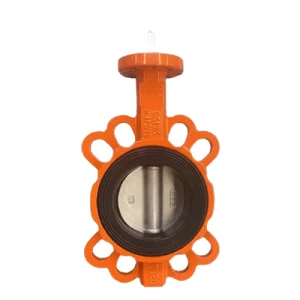
OEM 5K/10K/PN10/PN16 DN80 Aluminium Body CF8 Disc Wafer Butterfly Valve Factory, Factories
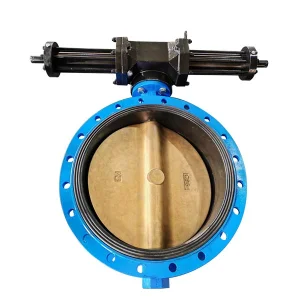
China EPDM Seat C954 Disc Hydraulic Flange Butterfly Valve Manufacturers, Exporters
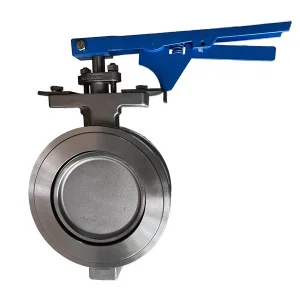
OEM Lever OP Wafer High Performance Butterfly Valve HP BFV Factory, Exporters
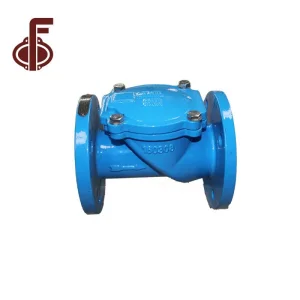
China Ductile Cast Iron Rubber Flap Check Valve Factories, Exporter
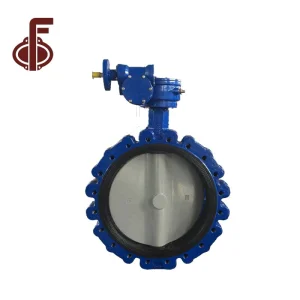
OEM Worm Gear DI Body Lug Type Butterfly Valve Manufacturers, Exporter
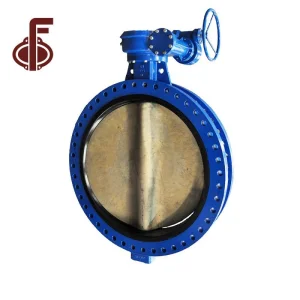
China U Section Flange Butterfly Valve Manufacturer, Factories
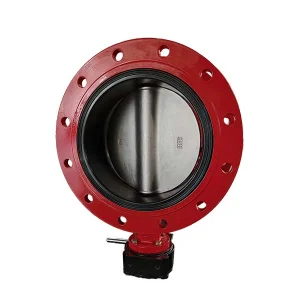
OEM Two Shaft Replaceable Seat Double Flange Butterfly Valve Manufacturers, Exporter
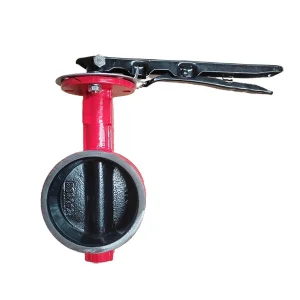
OEM Grooved Type Butterfly Valve for Fire Fighting Factories, Exporter
