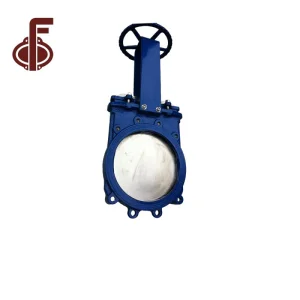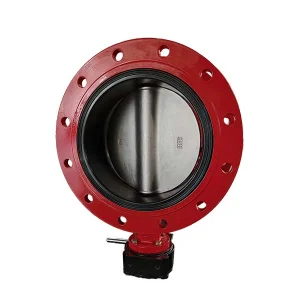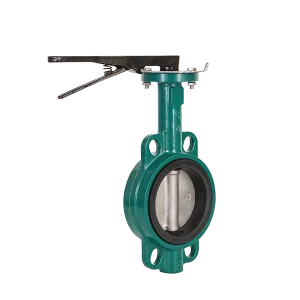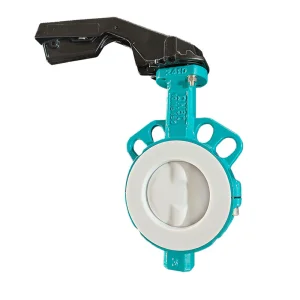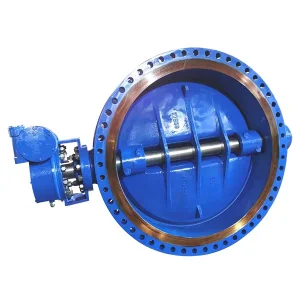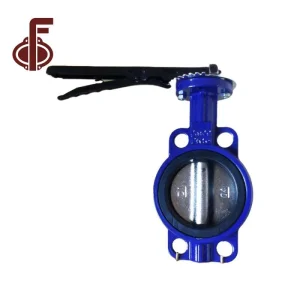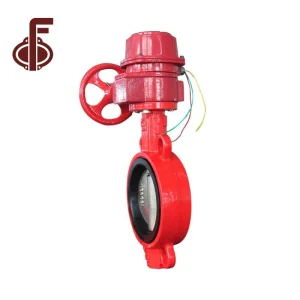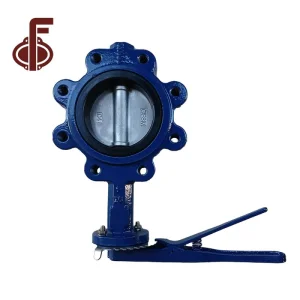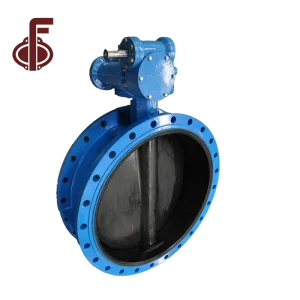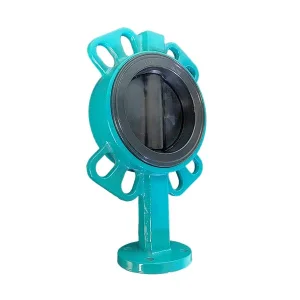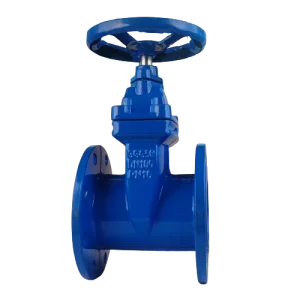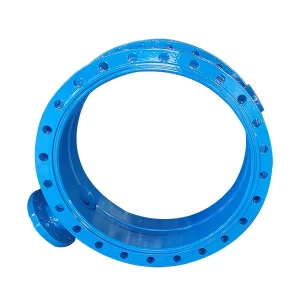
Featured configurations engineered for Brazilian mining wash lines, deepwater offshore processing, and municipal potable water mains with full material traceability.
Brazil represents Latin America's largest capital expenditure market for heavy flow control systems. Rapid industrial transformations require international OEM valve manufacturers capable of aligning precision machining with demanding domestic technical mandates.
Federal Law 14.026/2020 has privatized and modernized water distribution networks, targeting 99% potable water and 90% sewage treatment universalization by 2033. This mandates massive volumes of resilient-seated concentric and double-flanged butterfly valves across SABESP, Aegea, and BRK Ambiental concession corridors.
The Santos and Campos Pre-Salt deepwater basins operate under extreme conditions with elevated CO2 and sour H2S concentrations. Flow systems require API 609 Category B high-performance and triple eccentric (TOV) metal-seated valves capable of handling corrosive produced water, topside gas compression, and sea injection lines.
From the iron ore deposits of Carajás and the Iron Quadrangle (Minas Gerais) to the ethanol mills across Ribeirão Preto, media severity is unmatched. High solid slurries and hot acidic sugarcane vinasse chew through generic valves in weeks, demanding resilient abrasion-resistant OEM architectures.
A mismatch between seat chemistry and pipeline media causes 85% of premature field breakdowns. Review our engineering compatibility matrix tailored to Brazilian operating mediums.
| Seat / Seal Material | Continuous Operating Temp | Ideal Brazilian Industrial Applications | Incompatible Media & Conditions | Leakage Class (API 598 / ISO 5208) |
|---|---|---|---|---|
| EPDM (Food Grade / Sulfur-Cured) | -20°C to +120°C | Municipal potable water distribution, treated sewage, cooling tower loops, dilute alkalis. | Hydrocarbons, aromatic solvents, petroleum oils, concentrated acids. | Rate A (Zero Bubble Leakage) |
| NBR (Nitrile / Buna-N) | -10°C to +85°C | Hydraulic lubrication circuits, oily bilge lines on offshore support vessels, compressed air. | Ozone, ketones, chlorinated hydrocarbons, steam sterilization loops. | Rate A (Zero Bubble Leakage) |
| Virgin & Conductive PTFE | -20°C to +180°C | Pulp bleaching (chlorine dioxide), sugar-ethanol acid regeneration, chemical dosing skids. | High-velocity abrasive mine slurries, liquid fluorine, molten alkali metals. | Rate A (Bubble-Tight Sealing) |
| FKM (Viton® Grade) | -15°C to +200°C | High-temperature biodiesel synthesis, diesel transfer, sour gas offshore utility vents. | Hot steam (>140°C), low-molecular organic acids, polar solvents (MEK). | Rate A (Zero Bubble Leakage) |
| Metal-to-Metal (Stellite Gr. 6 / SS316L Lamellar) | -196°C to +450°C (Cryogenic to Thermal) | Refinery FCC units, Pre-salt high-pressure steam injection, dry steam isolation, coke gas. | Extremely gummy polymer resins that can form hard build-ups on the seal ring. | ANSI / FCI 70-2 Class VI / ISO 5208 Rate A/B |
Procuring valves into Brazil requires strict compliance with domestic regulatory mandates. Failure to supply compliant technical dossiers can trigger port quarantines and project commissioning delays.
Mandates safety audits for pressurized piping systems. Every OEM butterfly valve is delivered with verified wall thickness computations, hydrostatic pressure logs, and traceable NDT ultrasonic reports.
Governs industrial valves for chemical and water applications. Standardizes face-to-face dimensions, structural tolerances, coating thickness benchmarks, and maximum allowable operating torque limits.
Demands strict adherence to sour service NACE MR0175 / ISO 15156, low-emission packing (ISO 15848-1), and vendor audit readiness aligned with Petrobras CRCC quality management benchmarks.
All automated packages with motorized or pneumatic solenoid actuators deployed in Brazilian hazardous environments hold Ex-d flameproof certification meeting INMETRO directives.
Modern Brazilian industrial installations are rapidly transitioning from manual hand-lever valves to intelligent, network-integrated flow automation. Here is how our OEM manufacturing process bridges traditional valve mechanics with Industry 4.0.
By pairing high-precision ISO 5211 direct-mount flanges with smart positioners (HART, Profibus-PA, Foundation Fieldbus), our valve assemblies continuously record breakaway, running, and reseat torque signatures.
Our OEM casting foundry utilizes computational fluid dynamics (CFD) simulation to contour disc profiles. This slashes localized vortex cavitation, mitigates water hammer spikes, and maximizes flow capacity (Cv/Kv values).
Environmental licensing in Brazil (IBAMA) requires audited environmental management. Our manufacturing lines utilize electric induction melting, recycled ductile iron scraps, and solvent-free thermal electrostatic powder coating.
Explore our extensive OEM production range, from PTFE fully-lined corrosive service valves to heavy-duty double eccentric units and multi-standard ductile iron options.
Expert insights covering customs clearance (Despacho Aduaneiro), NR-13 documentation, material compliance, and private labeling contracts for distributors.
Whether you require tender-ready technical datasheets for sanitation infrastructure, CRCC-aligned packages for offshore platforms, or robust slurry valves for mining pipelines, our application engineering team is ready to assist.