
Engineered Heavy-Duty Flow Control Product Matrix
Precision-engineered wafer and lug butterfly valves, check assemblies, and isolation units built to DIN, ANSI, BS, and JIS dimensional standards for critical process pipelines.
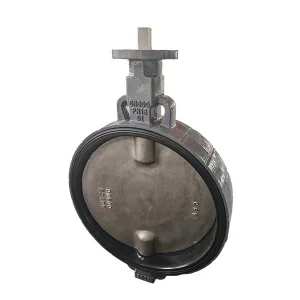
China PN16 DN600 Double Shaft Wafer Butterfly Valve Factory, Exporter
View Product Specs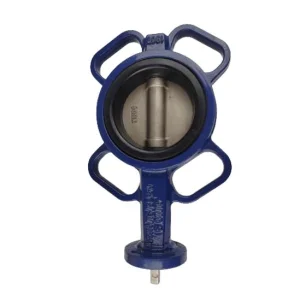
China DN80 PN10/PN16 Ductile Iron Wafer Butterfly Valve Manufacturers, Exporters
View Product Specs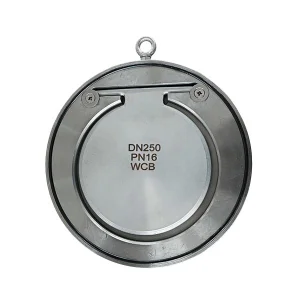
OEM Stainless Steel Body WCB Single Disc Check Valve PN16 Manufacturer, Factories
View Product Specs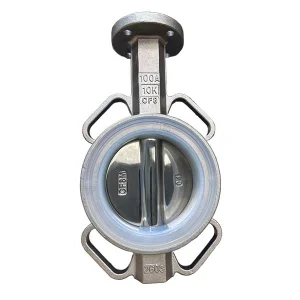
China Polished CF8M Disc Silicon Rubber Seat Potable Water Butterfly Valve Factory, Factories
View Product Specs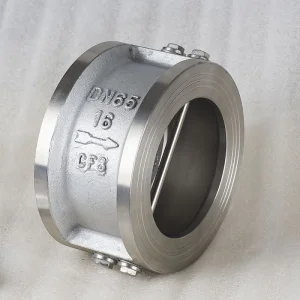
OEM SS2205 Dual Plate Check Valve Exporter, Exporters
View Product Specs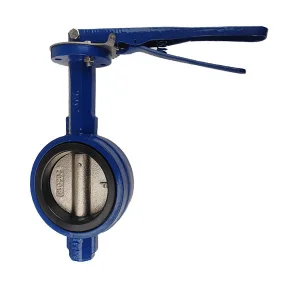
China Hard Back Seat Earless Wafer Butterfly Valve with Handlever Factories, Exporters
View Product Specs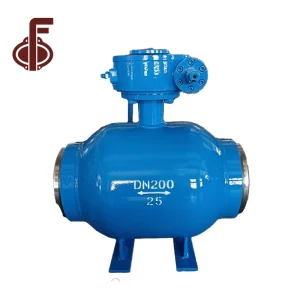
China Fully WELDED STEEL BALL VALVE Exporter, Exporters
View Product Specs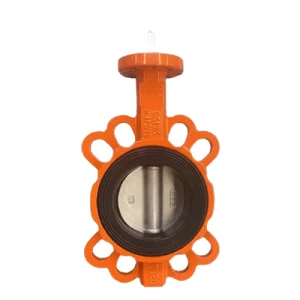
OEM 5K/10K/PN10/PN16 DN80 Aluminium Body CF8 Disc Wafer Butterfly Valve Factory, Factories
View Product SpecsGlobal Industrial Landscape: The Ascendance of Concentric & High-Performance Butterfly Valves
The global industrial valve market has exceeded $82 billion, with butterfly valves claiming the fastest compounding growth across municipal waterworks, HVAC district energy, petrochemical refinement, and maritime systems.
Capital Efficiency in Megaprojects
By specifying lug and wafer butterfly valves instead of bulky gate or globe valves, EPC engineering teams downsize pipe rack structural steel, diminish pump motor loads through superior hydrodynamics, and slash long-term operational expenditures across municipal and industrial utility loops.
- Minimized civil support footprint
- Low hydrodynamic torque profiles
- Direct ISO 5211 actuator coupling
Wafer vs. Lug Architectural Distinctions
Wafer valves are clamped between pipeline flanges using continuous through-bolts, maximizing cost savings in continuous runs. Lug valves incorporate radial threaded holes matching companion flanges, enabling independent bolting and safe downstream piping removal for dead-end system servicing.
- Lug: Fully rated downstream dead-end service
- Wafer: Minimal envelope, lowest cost/weight
- Flanged: High torsional stiffness for large bores
Material Science & Polymer Evolution
Concentric butterfly valves rely entirely on resilient seat elasticity. Modern compounders formulate vulcanized or replaceable liners in peroxide-cured EPDM, hydrogenated NBR, fluoropolymer Viton (FKM), and chemically inert PTFE/PFA linings capable of handling concentrated acids and slurries.
- Phenolic/hard-backed seat stabilization
- Non-wetted valve body longevity
- WRAS-grade potable water elastomers
Supply Chain Resilience & Chinese Factory Manufacturing Efficiency
Tianjin has evolved into the world's premier industrial hub for quarter-turn resilient seated butterfly valves. Integrated foundries, CNC machine clusters, and testing laboratories deliver unmatched throughput and cost-to-quality ratios.
Integrated Foundry & Metallurgy
Our localized cluster in Tianjin integrates precision resin-sand and green-sand casting lines for Ductile Iron (QT450-10, GGG40, GGG50, ASTM A536 65-45-12), Carbon Steel (WCB), and Stainless Steels (CF8, CF8M, CF3M, Duplex 2205). Every heat undergoes vacuum optical emission spectrometry (OES) to certify chemical stoichiometry prior to pouring.
- 100% optical emission spectrometer verification
- Microstructural nodularity checks exceeding 85%
- Full raw material heat-number traceability
High-Precision CNC Machining
Body internal bores, disc sealing perimeters, and stem drive flats are turned and milled on multi-axis CNC horizontal and vertical machining centers. Tight machining tolerances eliminate hydrodynamic chatter, ensure uniform 360-degree radial seat interference, and lower break-away operating torque by 18-25% compared to generic manual lathe manufacturing.
- Spherical contour disc edge polishing (Ra ≤ 0.4 μm)
- Concentric stem bore alignment within 0.02 mm
- Standardized ISO 5211 direct-mount automation pads
Electrostatic Powder Coating Line
Corrosion resistance is fortified through automated pre-heating, shot blasting to Sa 2.5 cleanliness, and electrostatic deposition of high-build non-toxic thermoset epoxy resin (AkzoNobel or equivalent). Applied coatings maintain a minimum dry film thickness (DFT) of 250 μm, verified with holiday spark testing up to 1.5 kV for pinhole-free dielectric isolation.
- High-build fusion bonded epoxy (FBE ≥ 250 μm)
- Zero pinhole holiday detector verification
- Potable water non-toxicity compliance
Engineering Specification Guide: Elastomer & Polymer Seat Compounding
Selecting the ideal seat polymer is critical for long valve life. Over 80% of premature field failures stem from chemical swelling, ozone degradation, or thermal creep. Review our comparative engineering matrix.
| Seat Material | Polymer Base | Working Temp. Range | Recommended Working Media | Contraindicated Media | Relevant Industry Standards |
|---|---|---|---|---|---|
| EPDM Peroxide Cured |
Ethylene Propylene Diene Monomer | -20°C to +120°C (-4°F to 248°F) |
Potable water, raw sewage, sea water cooling, chilled & hot HVAC loops, glycol solutions, mild alkalis. | Aromatic hydrocarbons, mineral oils, gasoline, kerosene, concentrated solvents. | BS 6920, WRAS, EN 681-1, FDA 21 CFR 177.2600 |
| NBR / Buna-N High-Acrylonitrile |
Nitrile Butadiene Rubber | -10°C to +82°C (14°F to 180°F) |
Lubricating oils, hydraulic fluids, diesel, crude oil, natural gas lines, compressed air with oil mist. | Strong oxidizing acids, ozone, ketones, brake fluids, chlorinated hydrocarbons. | ISO 6447, ASTM D2000, MIL-P-5315 |
| PTFE / PFA Virgin / Modified |
Polytetrafluoroethylene | -20°C to +180°C (-4°F to 356°F) |
Sulfuric/hydrochloric acid, chlor-alkali, ultra-pure water, bio-pharmaceutical fluids, bleaching agents. | Molten alkali metals, high-velocity abrasives, fluorinating agents at elevated pressures. | FDA 21 CFR 177.1550, USP Class VI, ISO 13000 |
| FKM / Viton® Fluorocarbon Elastomer |
Vinylidene Fluoride Hexafluoropropylene | -15°C to +200°C (5°F to 392°F) |
Hot petroleum fuels, synthetic engine lubricants, chlorinated hydrocarbons, chemical emissions, biogas. | Low-molecular organic acids, steam exceeding 150°C, amines, polar solvents. | ASTM D1418, DIN ISO 1629 |
| Silicone Rubber Medical & Food Grade |
Polydimethylsiloxane | -40°C to +220°C (-40°F to 428°F) |
Potable drinking water, clean steam, food processing, brewing, bakery dough, non-fatty food media. | Hydrocarbon solvents, steam under high dynamic pressure, concentrated mineral acids. | FDA CFR 177.2600, BfR XV, WRAS potability |
Concentric Soft-Seated Architecture
Features a centrally mounted stem and disc aligned with the valve bore center. During operation, the disc compresses the resilient rubber liner 360 degrees to create a bubble-tight seal. This proven design is the industrial gold standard for municipal waterworks, fire suppression, and general HVAC systems up to PN16/Class 150.
Double-Eccentric (High Performance)
Engineered with the shaft offset from both the seat plane and the valve centerline. The disc cams out of the seat during the first 5-10 degrees of rotation, drastically reducing friction wear, lowering operational torque, and extending seat longevity in high-cycle, critical water distribution and district heating.
Triple-Offset Metal-to-Metal Dynamics
Integrates a third geometric angular offset in the seat sealing cone. This geometry allows the disc to seal against a laminated Stellite or graphite-inlaid metal seat without scuffing or rubbing. It provides true fire-safe, bi-directional shutoff for steam lines, refining processes, and cryogenic services up to PN40 / ASME Class 300.
Targeted Global Application Scenarios & Regional Engineering Profiles
Tianjin Zhongfa Valve manufactures lug and wafer valves optimized for diverse regional and operational environments across the Americas, Europe, the Middle East, and the Asia-Pacific.
Middle East Seawater Desalination (SWRO)
High chloride concentrations and extreme ambient heat demand specialized alloys. We export Dual-Plate Check and Lug Wafer Butterfly valves engineered with Super Duplex Stainless Steel (2507 / 2205) or Nickel Aluminum Bronze (C95800) discs and vulcanized EPDM seats that resist pitting corrosion and stress cracking.
European District Energy & Smart HVAC
European heating networks require tight compliance with EN 1092-2 and the Pressure Equipment Directive (CE PED 2014/68/EU). Our double-shaft wafer units and vulcanized EPDM butterfly valves operate seamlessly in closed loops up to 120°C with ultra-low thermal dissipation and direct automated actuator interfaces.
North American Fire Protection Networks
Fire pump houses and municipal sprinkler feeds demand lugged butterfly valves capable of providing uninterrupted dead-end isolation. Our threaded-lug ductile iron series accommodates ANSI Class 125/150 bolt circles, with tamper-switch bracket mountings and factory-tested bubble-tight bi-directional isolation.
Mining, Tailings & Corrosive Chemical Skids
For aggressive slurries and high-acidity chemical pipelines across Southeast Asia, our split-body PTFE-lined and Nylon-11 coated butterfly valves isolate line fluid entirely from the cast ductile iron or carbon steel body, delivering extended valve life at a fraction of high-nickel alloy costs.
Controlled 5-Stage OEM & Export Quality Architecture
Reliable valve manufacturing demands rigid process documentation. Every valve exported from our factory passes through a certified 5-stage traceability pipeline.
Engineering Review
Datasheet validation, 3D CAD modeling, CFD fluid velocity simulation, flange drilling alignment (ANSI/DIN/BS/JIS), and structural torque calculations.
Metallurgical Inspec
Spectrometer chemical analysis, Brinell hardness testing, ductile iron tensile strength analysis, and ultrasonic wall thickness verification.
Precision CNC Turning
Multi-axis computerized machining of seat chambers, disc edge spherical profiles, stem drive flats, and ISO 5211 automation flanges.
Hydro & Pneumatic Test
100% pressure testing: Shell hydro test at 1.5× PN, resilient seat water test at 1.1× PN, low-pressure air seat test at 0.6 MPa per API 598/ISO 5208.
Marking & Export Pack
Laser/cast brand marking, custom RAL electrostatic epoxy coating, drying, disc flange face protection, and seaworthy fumigated plywood crating.
Comprehensive Testing & Verification Protocol
In accordance with ISO 5208, EN 12266-1, and API 598 standards, our quality control inspectors conduct hydro-testing on every production batch before crating. Zero drops of leakage (Rate A) must be observed across the seating surface during the prescribed holding time. Certified Mill Test Reports (MTRs) matching EN 10204 3.1 are provided alongside the documentation packet with heat-number cross references.
Technical Roadmap: Smart Automation & Green Foundry Decarbonization
Tianjin Zhongfa Valve is actively investing in the next generation of industrial flow technologies, from IoT-enabled valve diagnostics to eco-efficient foundry casting methodologies.
IoT-Enabled Smart Valve Assemblies
We are deploying intelligent electric and pneumatic actuators with built-in Modbus, Profibus, and HART fieldbus interfaces. Embedded vibration and acoustic micro-sensors monitor stem torque spikes and seat wear in real time, alerting maintenance managers to preventative maintenance needs prior to critical downtime events.
Advanced Polymeric Nanocomposites
Partnering with polymer research institutions, our material lab is testing graphene-reinforced EPDM and PTFE matrices. These advanced compounds exhibit 35% higher tensile tear resistance, substantially lower frictional coefficients against stainless steel discs, and increased resistance to micro-slurry abrasion.
Green Foundry & Zero-VOC Operations
Our long-term manufacturing initiatives incorporate medium-frequency electric induction furnaces for ductile iron melting, continuous thermal sand reclamation loops (recovering over 92% of foundry sand), and solvent-free, closed-loop electrostatic powder coating booths to reduce emissions and ensure full ESG compliance.
Industrial Procurement & Engineering FAQ
In-depth technical answers addressing flow mechanics, flange compatibility, metallurgical choices, and global logistics for procurement managers and EPC specifiers.
1. What are the key differences between wafer, lug, and double-flanged butterfly valve designs?
Wafer butterfly valves feature a compact, lightweight body clamped between mating flanges using long stud bolts that span the entire valve body. They are the most economical option, ideal for general isolation in straight pipe runs, but cannot be used for dead-end piping service. Lug-type valves feature raised radial ears with threaded holes corresponding to specific pipe flange bolt patterns (ANSI Class 150, PN10, PN16, JIS 10K). This allows bolting from either side, enabling maintenance teams to detach downstream piping while maintaining full system pressure upstream. Double-flanged butterfly valves have integral standard flanges on both sides, offering the highest rigidity for large-diameter pipelines (DN600-DN2000+) and buried municipal lines where pipeline tension or bending stresses occur.
2. Which international flange standards can China butterfly valve exporters accommodate on the same body?
Most modern wafer-type valves exported from China are engineered with a universal or "multi-standard" locating ear pattern. This allows the same valve body (for example, DN80 or DN100) to install smoothly between EN 1092-2 PN10/PN16, ASME/ANSI B16.5 Class 150, JIS B 2239 10K, and AS 2129 Table E companion flanges. For threaded lug butterfly valves, bolt hole circles and thread pitches are specific to each standard (e.g., UNC threads for ASME B16.5 vs metric threads for EN 1092-2). When requesting an RFQ for lug valves, it is essential to specify the exact flange standard and thread pitch required.
3. How do pinned and pinless disc-to-stem connections compare in heavy-duty service?
In traditional pinned configurations, high-tensile taper pins pass horizontally through the disc hub and drive shaft. While structurally robust, pin penetrations into the fluid passage create a potential leak path if corrosion or vibration degrades the seal. Pinless butterfly valves utilize an internal double-D, keyed, or involute splined connection inside the disc hub. This isolates the stem from contact with the flowing medium, prevents galvanic corrosion between dissimilar metals, creates a streamlined disc surface that lowers flow turbulence, and simplifies seat and disc replacements during factory rebuilds.
4. What quality documentation and third-party inspection reports can ZFA Valve supply with export shipments?
Our quality assurance program provides full export documentation packages. These include: EN 10204 Type 3.1 Material Test Reports (MTRs) detailing chemical analysis and mechanical tensile/elongation properties of castings; hydrostatic shell and seat test logs per API 598 / ISO 5208; dry film thickness (DFT) paint reports and holiday spark test certificates; and Certificate of Origin (CO/Form E/Form F). Furthermore, we routinely accommodate third-party pre-shipment inspections from agencies including SGS, BV (Bureau Veritas), TÜV, and DNV at our Tianjin facility.
5. What considerations are necessary when sizing an actuator for resilient-seated butterfly valves?
Actuator sizing requires calculating the maximum hydrodynamic and breakaway seating torques under design differential pressure (ΔP). Key factors include: media lubricity (clean water vs dry gas vs viscous slurries), operational frequency (rarely cycled valves exhibit higher static breakout torque), and operating temperature extremes. It is standard engineering practice to apply a minimum 25% to 30% safety factor above the valve's nominal published breakout torque when matching electric (rotary multi-turn or quarter-turn) or pneumatic (rack-and-pinion / scotch-yoke) actuators to ensure reliable cycling.
6. What are the typical lead times for custom OEM orders compared to standard production runs?
For standard inventory assemblies (Ductile Iron wafer bodies, CF8M/Ductile Iron discs, EPDM/NBR seats from DN50 to DN300), standard lead times range from 7 to 15 business days. For customized OEM production runs involving custom-branded casting molds, specialized disc metallurgy (e.g., Hastelloy, 2507 Super Duplex, Aluminum Bronze), or specialized external protective coatings, lead times typically run 25 to 40 days, inclusive of mould tooling, CNC machining, vulcanization, hydrostatic testing, and export packing.
Specialized Industrial Flow Control Solutions
Advanced automated butterfly valves, high-pressure forged valves, resilient-seated check assemblies, and lined corrosion-resistant process valves.
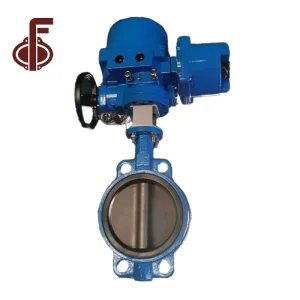
OEM Electric Actuator Wafer Butterfly Valve Factories, Exporter
View Product Specs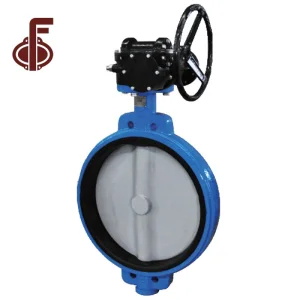
OEM Worm Gear Wafer Butterfly Valve with Nylon Covered Disc Manufacturers, Factory
View Product Specs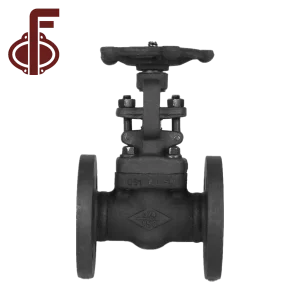
OEM Class1200 Forged Gate Valve Manufacturer, Factories
View Product Specs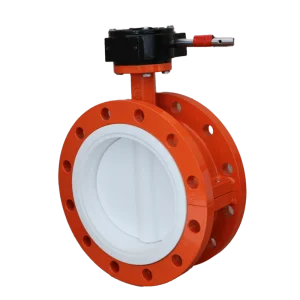
China Split Body PTFE Coated Flange Type Butterfly Valve Manufacturer, Exporter
View Product Specs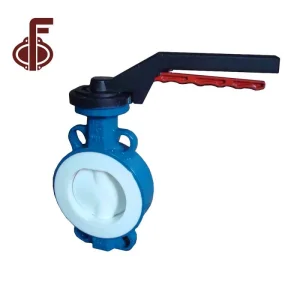
OEM Concentric Cast Iron Full Lined Butterfly Valve Manufacturers, Factories
View Product Specs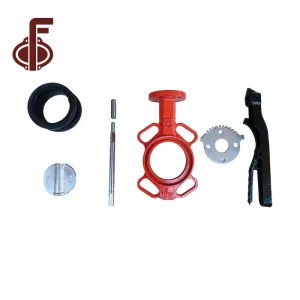
OEM Replacable Seat Aluminum Hand Lever Wafer Butterfly Valve with EPDM Seat Factory, Exporter
View Product Specs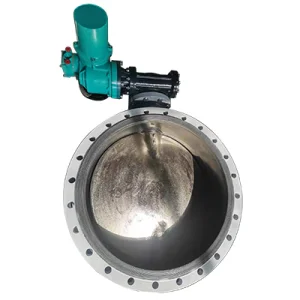
China Electric WCB Vulcanized Seat Flanged Butterfly Valve Manufacturer, Exporter
View Product Specs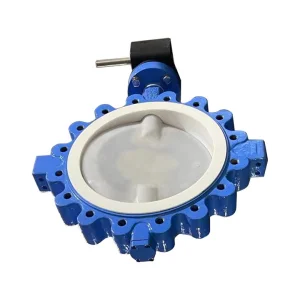
China Silicon Rubber Disc PTFE Lug & Flange Butterfly Valve Split Body type Manufacturer, Factories
View Product SpecsInitiate Your Flow Control Engineering RFQ
Collaborate directly with Tianjin Zhongfa Valve's application engineers. Receive detailed CAD dimensional drawings, valve torque data, material certificates, and competitive pricing within 24 hours.
