
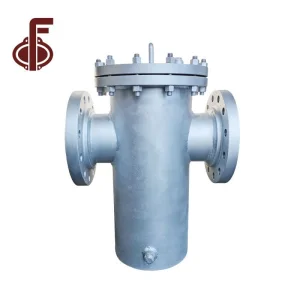
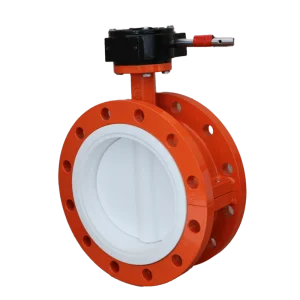
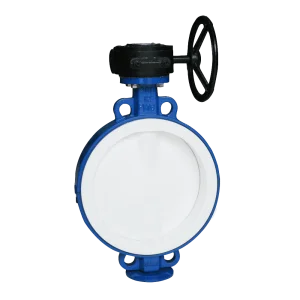
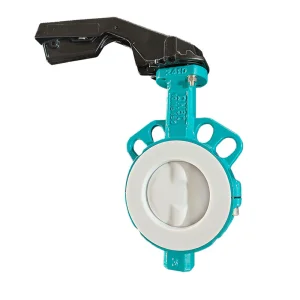
Engineered Resilient Butterfly, Gate & Strainer Assemblies
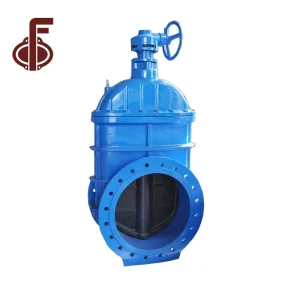
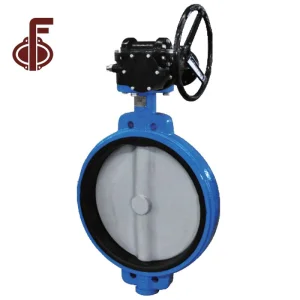
Direct export configurations featuring certified ductile cast iron, precision-machined discs, and vulcanized/cartridge elastomeric liners conforming to ASME B16.42, EN 593, and API 609 standards.
The Global Strategic Shift to Resilient Seated Butterfly Valves
Industrial flow control networks are undergoing a global transition toward concentric and eccentric resilient seated butterfly valves (RSBVs) to reduce lifecycle capital costs, eliminate fugitive emissions, and enable lightweight pipeline architectures.
Information Gain & Industry Insight: The global resilient seated butterfly valve market is projected to surpass USD $4.8 Billion by 2030, driven principally by global infrastructure renewals under AWWA C504 (North America) and BS EN 593 (Europe). High demand from mega-scale seawater reverse osmosis (SWRO) facilities across the Middle East and Southeast Asia has accelerated the procurement of high-grade Ductile Iron (GGG40/GGG50) and Nickel-Aluminum Bronze (C95800) trims that guarantee zero leakage (EN 12266-1 Rate A) under severe dynamic cyclic conditions.
Capital & Lifecycle TCO Reduction
The streamlined wafer, lug, and double-flanged body architectures drastically minimize structural supports and pipe hanger requirements. Integral elastomeric seats act as self-sealing flange gaskets, eliminating extra gasket procurement and expediting field commissioning schedules.
Bi-Directional Bubble-Tight Isolation
Engineered interference between the precision-machined spherical disc edge and the resilient elastomeric seat guarantees true bi-directional, drip-tight shutoff conforming to API 598 and ISO 5208 Leakage Rate A across the full rated working pressure spectrum.
Low Operational Torque Profiling
Through precision-contoured disc geometry and self-lubricating PTFE/bronze stem bushings, operating breakout and dynamic torques are reduced by up to 35%, enabling downsized quarter-turn pneumatic and electric actuators to drastically reduce electrical power loads.
Elastomer Formulation, Metallurgy & Tribology Standards
A rigorous engineering evaluation of body castings, disc metallurgies, and seat compound polymers engineered at Tianjin Zhongfa Valve Co., Ltd.
| Seat Polymer / Lining | Hardness (Shore A) | Operational Temp. Range | Optimal Fluid Media Compatibility | Non-Compatible Environments | Applicable Engineering Standards |
|---|---|---|---|---|---|
| EPDM (Food / Potable Grade) | 70 ± 5 | -20°C to +120°C (-4°F to 248°F) | Potable water, raw sewage, chilled/hot HVAC water, mild alkali solutions | Petroleum oils, kerosene, aromatic hydrocarbons, strong solvents | WRAS / NSF-61 / FDA |
| High-Temp EPDM (Peroxide Cured) | 75 ± 5 | -25°C to +150°C (-13°F to 302°F) | Low-pressure steam systems, condensate return, high-temp HVAC loops | Hydrocarbon fuels, concentrated nitric acid, mineral grease | EN 681-1 / ISO 5752 |
| NBR / Buna-N (Nitrile Elastomer) | 75 ± 5 | -10°C to +82°C (14°F to 180°F) | Hydraulic oils, diesel fuel, compressed air lines, light lubricants | Ozone, strong oxidizers, ketones, automotive brake fluids | API 609 / EN 593 |
| Viton® (FKM Fluorocarbon) | 80 ± 5 | -15°C to +200°C (5°F to 392°F) | Inorganic acids, chlorinated hydrocarbons, petroleum fuels, hot oil | Low-molecular esters, amines, anhydrous ammonia, hot caustic | ISO 10497 Fire Safe |
| PTFE / PFA Encapsulated (Split Body) | 95 ± 5 (Shore D) | -30°C to +180°C (-22°F to 356°F) | Ultra-pure electronic chemicals, sulfuric acid, nitric acid, chlor-alkali | Molten alkali metals, fluorine gas at elevated pressure | FDA / USP Class VI |
Metallurgical Integrity (GGG50 / WCB)
Bodies are cast exclusively from nodular ductile cast iron (EN-GJS-500-7 / ASTM A536 65-45-12) or cast carbon steel (ASTM A216 WCB), delivering high tensile strength (>450 MPa) and impact resistance to prevent line rupture under water hammer.
Pinless vs. Pinned Disc Transmission
ZFA engineers modern concentric butterfly valves with high-torque splined or squared drive pinless shafts. This prevents fluid contact with the stem, completely eliminating galvanic crevice corrosion and leakage around through-pins.
Fusion Bonded Epoxy (FBE) Coating
100% electrostatic spray applied non-toxic fusion bonded epoxy (AkzoNobel or equivalent) at a verified dry film thickness (DFT) exceeding 250 μm, complying with DIN 30677-2 and AWWA C550 for immersion and buried applications.
Targeted Industrial Applications & Global Operating Scenarios
Deployment frameworks across complex infrastructure sectors where bubble-tight resilient sealing is paramount.
District Cooling & Commercial HVAC
High-efficiency thermal loops require continuous modulating balancing and reliable positive isolation. ZFA wafer and lug butterfly valves with molded EPDM seats deliver zero leakage across thousands of seasonal switching cycles in central chilled water plants.
Municipal Water Treatment & Potable Networks
Certified under NSF/ANSI 61 and BS 6920, our valves incorporate virgin EPDM liners and passivated Stainless Steel (SS304/SS316) discs, eliminating water discoloration, toxic leaching, and bacterial proliferation in urban trunk water systems.
Seawater Desalination (SWRO Plant Trims)
High chloride concentrations cause catastrophic pitting in standard cast alloys. ZFA supplies specialized resilient butterfly valves equipped with C95800 Nickel-Aluminum Bronze or 2507 Super Duplex discs, coupled with vulcanized rubber liners to isolate the body.
Chemical Processing & Corrosive Pickling
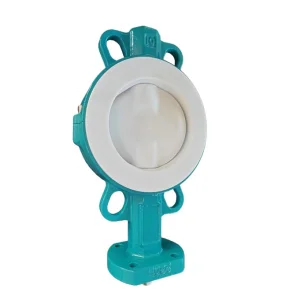
For high-purity or aggressive acidic piping lines, our PTFE-lined split-body butterfly valves encase the ductile iron body completely. High-purity PFA/PTFE lining prevents corrosive contact while withstanding working pressures up to PN16.
Decarbonization, Digital Twins & Intelligent Actuation Paradigms
How modern Chinese valve manufacturing is setting global benchmarks for low fugitive emissions, IoT monitoring, and energy conservation.
Fugitive Emission Mitigation (ISO 15848-1)
Stringent methane and volatile organic compound (VOC) reduction mandates have elevated butterfly valve stem sealing design. ZFA implements multi-stage energized O-ring barriers and secondary elastomeric stem seals to maintain Class AH fugitive compliance under repetitive mechanical cycling.
Direct-Mount ISO 5211 Automation Hub
Eliminating bracket and coupler deflection is crucial for smart positioning. All ZFA resilient seated butterfly valves feature standardized top flanges (F05 to F16) allowing direct mounting of pneumatic scotch-yoke actuators, smart electric positioners (Modbus/Profibus), and emergency fail-safe spring returns.
Computational Fluid Dynamics (CFD) Flow Optimization
Our R&D engineering center utilizes advanced finite element and CFD modeling to streamline disc edge contours. By reducing the hydrodynamic drag coefficient ($C_d$) by 18%, pump discharge lines consume measurably less kilowatt-hours over the 20+ year design lifecycle of the plant.
Quality & Traceability Directives: As an authorized Chinese exporter, Tianjin Zhongfa Valve Co., Ltd. issues complete EN 10204 Type 3.1 Material Test Reports (MTR) with every shipment. Chemical optical emission spectrometry, Brinell hardness validation, tensile elongation testing, and 100% pneumatic seat tests are cross-referenced directly with casting melt heats.
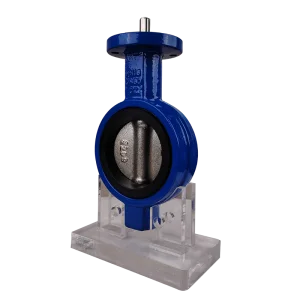
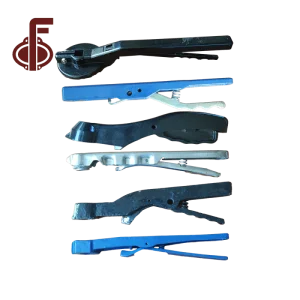
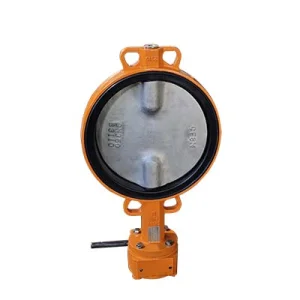
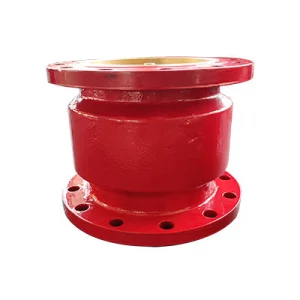
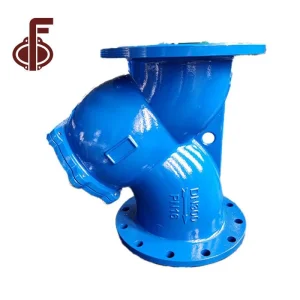
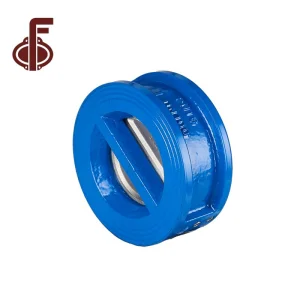
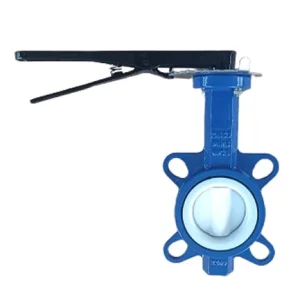
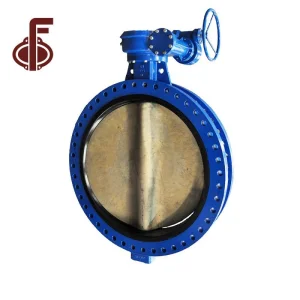
Specialty Check, Dual Plate & Lined Flow Control Assemblies
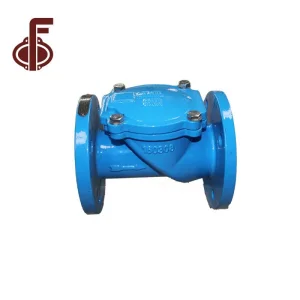
Complementary isolation and backflow prevention valves engineered to provide seamless compatibility within global piping networks.
Engineering Supply Chain Integration for Global Megaprojects
Comprehensive turnkey support for Engineering, Procurement, and Construction (EPC) contractors from sizing calculations to worldwide jobsite delivery.
Multi-Standard Flange Compatibility
Our universal locating hole and body geometry interfaces seamlessly across ANSI Class 125/150, EN 1092-2 PN10/PN16, BS 4504, JIS 10K, and AS 2129 Table E without costly line modifications or customized spools.
Turnkey Containerized Export Logistics
Located adjacent to the Port of Tianjin—the primary maritime gateway of Northern China—ZFA ensures direct container stuffing, customs clearance, and accelerated ocean transit to Europe, the Middle East, Southeast Asia, and the Americas.
OEM Private-Label & Casting Customization
Full support for international valve brands, distributors, and EPC fabricators: custom body cast logos, high-specification Ral-coded epoxy colors, tailored stem machining, and dedicated nameplates with project tag numbers.
Frequently Asked Questions on Resilient Seated Butterfly Valves
Quantitative technical guidance covering hydrodynamic sizing, seat elastomer longevity, torque profiles, and compliance verification.
What is the fundamental difference between Wafer, Lug, and Double Flanged butterfly valves?
How does seat elastomer compression affect operating torque and seat lifespan?
Why is pinless disc-to-stem design superior to pinned designs in corrosive water?
What international testing standards are executed at the ZFA factory prior to dispatch?
How should EPDM, NBR, and PTFE seat liners be selected for district heating and cooling?
Can ZFA butterfly valves be used for flow throttling and modulating service?
Ready to Partner with China's Premier Valve Manufacturer?
Connect directly with our Tianjin engineering department for complete valve 2D/3D CAD models, detailed chemical resistance tables, ISO 9001/CE certifications, or immediate wholesale export quotations.
