
Engineered Resilient Seat Valves (Tier 1 Production)
Explore heavy-duty concentric, eccentric, and resilient seat butterfly and industrial gate valves machined to ANSI, DIN, JIS, and BS standards.
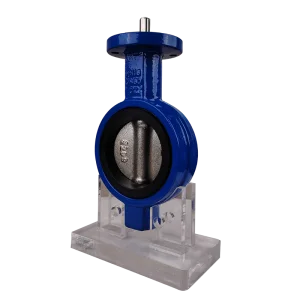
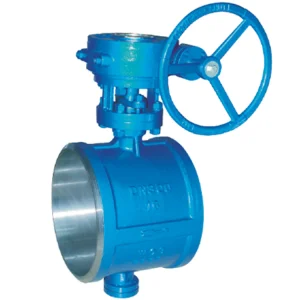
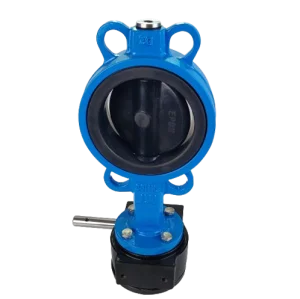
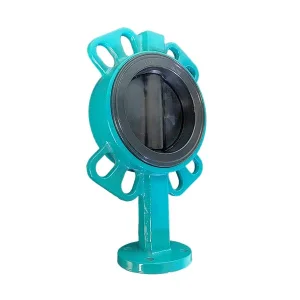
The Evolution of Rubber Lined Butterfly Valves in Heavy Industry
Transitioning from loose mechanical sleeves to precision vulcanization: addressing permeation, dynamic wear, and bi-directional shutoff integrity.
In modern process engineering, the rubber lined butterfly valve represents an indispensable flow isolation and throttling asset. Initially conceived as low-pressure water utility valves, technological evolutions over the past two decades have repositioned rubber-lined concentric and offset butterfly valves into critical operational spheres. From reverse osmosis seawater desalination to aggressive flue gas desulfurization (FGD) scrubbers and abrasive mineral slurries, the rubber lining acts as an impervious barrier that isolates the metallic pressure-retaining body from acidic, caustic, and particulate-laden fluid streams.
Historically, plant engineers grappled with replaceable boot-style slip-in elastomeric liners. Under transient vacuum conditions, turbulent throttling, or dynamic surge events, unbonded rubber liners frequently collapsed, delaminated, or wrinkled. This induced catastrophic stem packing blowout, excessive actuator breakaway torque, and premature seat degradation. Today, advanced manufacturers utilize high-temperature vulcanization bonding, wherein high-grade elastomers (such as tailored EPDM, carboxylated NBR, or specialized Viton) are chemically cross-linked directly to the ductile iron (GGG40/GGG50) or carbon steel casting at bonding strengths exceeding 14 N/mm. This creates a non-collapsible, vacuum-rated flow channel capable of sustaining continuous velocities up to 5 m/s without displacement.
Total Media Isolation
By engineering the elastomeric liner to seamlessly wrap around the valve face, flange gaskets are completely eliminated. The process media only contacts the resilient seat and disc, protecting cast bodies from galvanic erosion.
Optimized Hydrodynamic Torque
Computational Fluid Dynamics (CFD) profiling of disc edges and spherical seat contact geometries lowers seating torque by 25-35%, enabling smaller actuator sizing and reduced operational power footprints.
Full Vacuum Integrity
Through hardback phenolic cartridge support or full direct-body vulcanization, our valves achieve zero deformation under negative pressures down to 0.01 bar absolute, vital for condenser water lines and vacuum distillers.
Elastomeric Seat Material Specification Matrix
A technical guide for procurement officers and process engineers to prevent premature elastomer swelling, hardening, and stress fatigue.
| Elastomer Compound | Hardness & Tensile | Temperature Range | Optimal Process Media | Incompatible Media | Compliance Standards |
|---|---|---|---|---|---|
| EPDM (Food Grade / Industrial) | Shore A 65±5 14.2 MPa |
-25°C to +130°C | Potable water, wastewater, chilled HVAC loops, diluted acids, caustic alkalis, low-pressure steam | Hydrocarbons, mineral oils, petroleum greases, chlorinated solvents | WRAS / NSF-61 / FDA |
| NBR (Nitrile Butadiene) | Shore A 70±5 13.8 MPa |
-15°C to +90°C | Lubricants, diesel fuels, mineral hydraulics, natural gas, compressed air lines, animal oils | Ketones (MEK), ozone, concentrated nitric acid, chlorinated hydrocarbons | EN 682 / ISO 6447 |
| FKM / Viton® Fluoroelastomer | Shore A 75±5 12.5 MPa |
-10°C to +200°C | Concentrated inorganic acids, aromatic hydrocarbons, chlorinated solvents, chemical refinery feeds | Low-molecular esters, amines, anhydrous ammonia, hot hydrofluoric acid | API 607 / ISO 10497 |
| Silicone Rubber (VMQ) | Shore A 60±5 9.8 MPa |
-50°C to +200°C | Extreme temperature water systems, pharmaceutical drying, food processing lines, ozone contactors | High-pressure abrasive slurries, concentrated sulfuric acid, dynamic mechanical shear | FDA CFR 177.2600 |
| PTFE Lined with EPDM Energizer | Shore D 55±5 24.0 MPa |
-30°C to +180°C | Ultra-pure chemicals, aggressive pickling acids, aqua regia, bio-pharma media, aggressive bleaching lines | Molten alkali metals, high fluorine gas at elevated temperatures | USP Class VI / FDA |
Chinese Valve Manufacturing 4.0: Supply Chain Agility & Metrology
How automated foundries, multi-axis CNC machining, and automated non-destructive testing establish Tianjin Zhongfa Valve Co., Ltd. as an elite tier partner.
Automated Sand Casting
Automated furan resin and lost-foam casting lines maintain strict spheroidal graphite nodularity (>85% Type I & II according to ASTM A536 65-45-12 / GGG50) without gas porosity or core shifts.
CNC Spherical Machining
Multi-axis horizontal machining centers ensure disc sealing surfaces achieve mirror polish (≤Ra 0.4 μm) and exact concentric circularity, minimizing seat abrasion and maximizing duty cycle lifespan.
Closed-Loop Vulcanization
Computer-monitored hydraulic vulcanizing presses maintain constant temperature (±1.5°C) and curing pressure profiles. This ensures molecular cross-linking density with zero blister voids or residual stress.
100% Quality Verification
Every single valve undergoes bi-directional hydrostatic shell (1.5x PN) and seat (1.1x PN) pressure testing according to EN 12266-1 / API 598, combined with 15kV spark testing on fully lined discs.
Severe Service Industrial Use-Cases & Architecture
Engineered configurations deployed across harsh environments where operational failure is not an option.
Desalination Plants (SWRO)
High-salinity brine rejection lines require heavy ductile iron or WCB bodies fully vulcanized with potable-grade EPDM. Discs manufactured from Super Duplex 2507 or aluminum bronze (C95800) prevent severe crevice corrosion and pitting up to 25 bar.
FGD Power Plant Scrubbers
Flue gas limestone slurries combine corrosive acidic sulfur dioxide with violently abrasive particulates. Our vulcanized soft-rubber bodies paired with Hastelloy C276 or rubber-encapsulated ductile iron discs provide sustained resistance against abrasion and scaling.
District HVAC & Municipal Infrastructure
In high-rise chiller loops and municipal potable transmission networks, our wafer and lugged rubber lined valves provide zero-leakage isolation with standardized ISO 5211 direct mounting pads ready for intelligent BMS electric/pneumatic actuation.
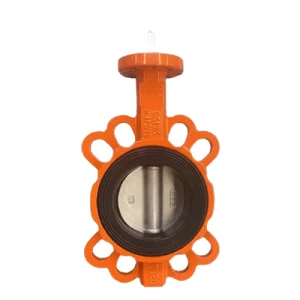
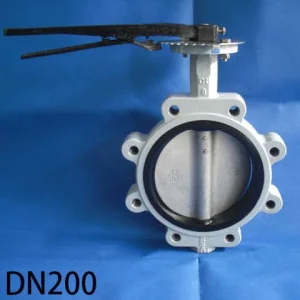
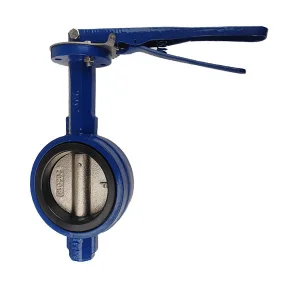
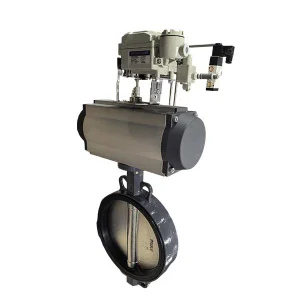
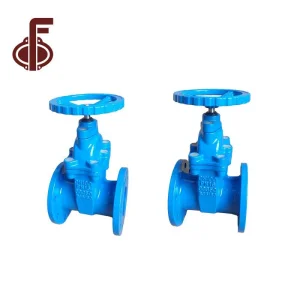
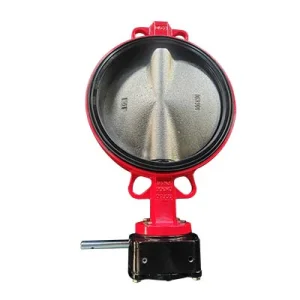
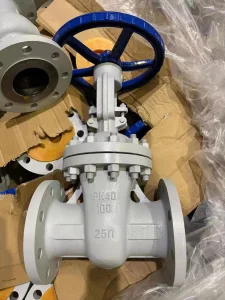
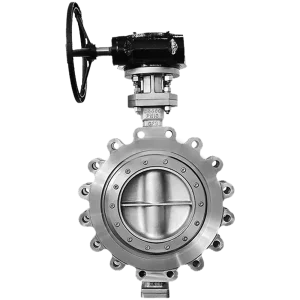
Specialty Butterfly & Flow Control Valves (OEM Series)
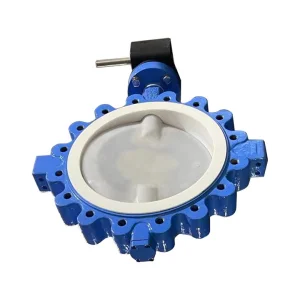
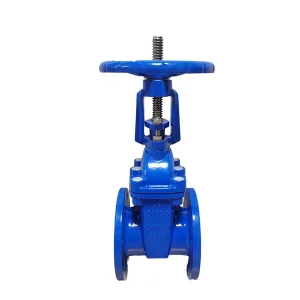
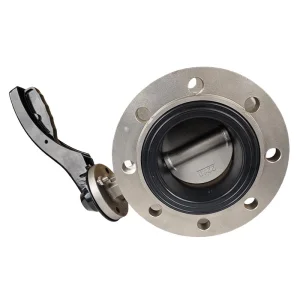
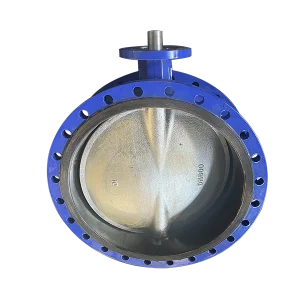
High-torque actuation, aluminum weight-optimized bodies, and rugged industrial gate designs for high-throughput pipeline integration.
Frequently Asked Questions by Valve Specifiers & EPCs
In-depth responses covering design standards, vacuum integrity, seat vulcanization, and international project logistics.
What is the structural difference between vulcanized and replaceable boot liners?
A replaceable boot liner is physically slipped into the machined body bore and held strictly by mechanical tension and pipe flange clamping. Under partial vacuum, high fluid velocity, or dynamic cycling, boot liners can shift or fold. A vulcanized rubber liner is thermally molded and chemically bonded directly to the iron casting under high temperature and hydraulic compression. It cannot collapse, resists negative pressures down to full vacuum, and provides lower, more predictable dynamic torque over its lifespan.
Which international pipeline flange standards are compatible with your multi-standard wafer valves?
Our multi-standard earless and wafer bodies feature universal bolt locating holes engineered to accommodate ANSI Class 125/150, EN 1092-2 PN10/PN16, BS 4504, JIS B2239 10K/16K, and AS 2129 Table D/E flanges without custom re-drilling. For critical dead-end services or heavy industrial installations, lugged and double-flanged body patterns are drilled exactly to project specifications.
How does ZFA Valve guarantee zero leakage in bi-directional shutoff applications?
Every single valve undergoes pressure qualification testing strictly adhering to EN 12266-1 Rate A and API 598. Shell tests are conducted at 1.5 times the maximum rated cold working pressure, while seat tightness is tested hydrostatically at 1.1 times nominal rating. Because the disc edge is precision-machined with a spherically curved profile and the vulcanized rubber compresses with consistent interference, zero visible leakage (bubble-tight) is achieved in both flow directions.
What disc materials are recommended for seawater desalination and abrasive slurries?
For seawater and high-chloride brine lines, we mandate Super Duplex Stainless Steel (2507 / 1.4410) or Nickel Aluminum Bronze (ASTM B148 C95800) discs to eliminate pitting and microbiological corrosion. For abrasive mineral tailings and flue gas gypsum slurry, fully vulcanized EPDM or natural rubber encapsulated ductile iron discs prevent mechanical impingement wear and stress corrosion cracking.
What quality certifications and material traceability documentation do you provide?
Tianjin Zhongfa Valve Co., Ltd. is ISO 9001:2015 and CE-PED certified. Every export consignment is supplied with an EN 10204 3.1 inspection certificate that includes chemical spectrometry analysis of cast body and disc alloys, mechanical tensile test reports, elastomer compound cure certificates, and pressure testing logs.
What are the standard production lead times for OEM private-label orders?
Standard sizes (DN50 to DN300) in ductile iron with EPDM or NBR seats typically dispatch within 15 to 20 calendar days due to our continuous casting inventory. Large diameter engineered orders (DN350 to DN1200) or specialty alloy configurations (Duplex/Hastelloy) generally require 30 to 40 days, complete with customized casting logos, custom epoxy RAL paint finishes, and seaworthy fumigated timber packing.
