Factory-Engineered Industrial Flow Solutions
Direct supply from Tianjin manufacturing plants. Customized metallurgical configurations, pressure classes up to ASME Class 600 / PN100, and standardized testing verified to international quality frameworks.
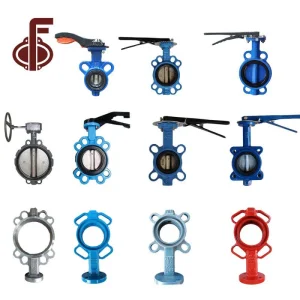
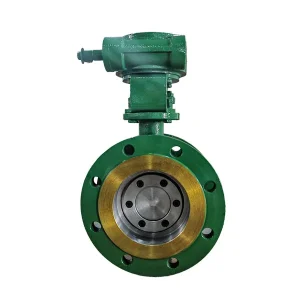
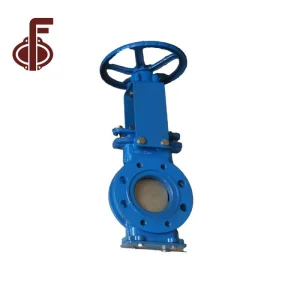
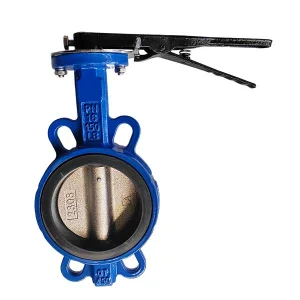
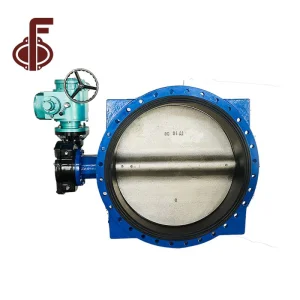
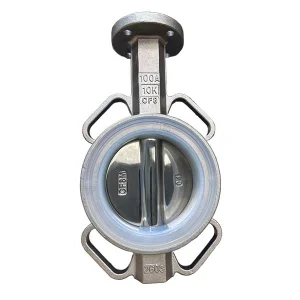
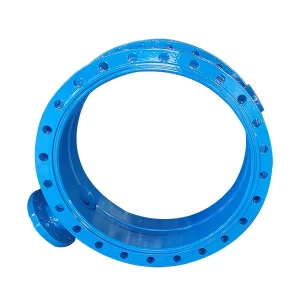
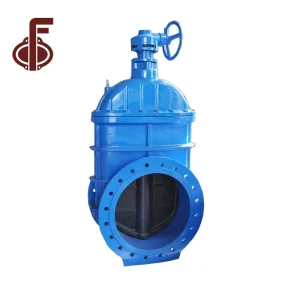
The Tri-Eccentric Architecture: Eliminating Rubbing Friction in Critical Isolation
In high-pressure, thermal-cycling industrial piping systems, conventional resilient seated and high-performance double eccentric butterfly valves inevitably experience operational limitations. Concentric elastomer designs degrade under extreme thermal gradients or hydrocarbon contact, while double eccentric valves still suffer from localized disc-to-seat scrubbing during the initial 10 to 15 degrees of opening and closing. The Triple Offset Butterfly Valve (TOV or TEBV) represents a profound kinematic paradigm shift, engineered to deliver absolute zero leakage (API 598 resilient seal standard) alongside metal-to-metal metallurgical durability.
As a leading Chinese OEM manufacturer, Tianjin Zhongfa Valve Co., Ltd. (ZFA Valve, est. 2006) calculates and machines every triple offset profile with micron-level numerical control. The geometry relies on three distinct geometric deviations:
Offset 1: Shaft Position Behind Seat Plane
The rotational axis of the drive shaft is offset along the longitudinal axis of the pipe, situated behind the sealing plane. This allows continuous 360-degree seal contact without dynamic stem penetrations passing through the sealing disc surface.
Offset 2: Shaft Offset from Pipe Centerline
The stem axis is displaced laterally from the valve centerline. This eccentricity facilitates immediate disc clearance away from the body seat upon the slightest rotational torque, preventing binding and localized stress concentration across the sealing circumference.
Offset 3: Oblique Conical Seating Axis
The cone axis of the seating profile is inclined relative to the pipe bore center line by a mathematically defined cone angle (typically 12° to 18°). This transforms circular rotation into an intuitive camming action, ensuring contact occurs solely at the final mechanical shutoff point (0°).
Torque-Seated Mechanics vs. Position-Seated Limitations: Unlike conventional gate valves or soft-seated butterfly valves that rely on elastic interference or mechanical travel stops, our Triple Offset Butterfly Valves are strictly torque-seated. The closing torque applied by the actuator acts directly to compress the laminated stainless steel and flexible graphite seal ring (or solid metal seat) against the body seat Stellite cladding. The result is pure right-angle camming with zero sliding friction, eliminating seat galling, extending cycle endurance beyond 50,000 cycles, and guaranteeing bi-directional bubble-tight shutoff conforming to API 598 and ISO 5208 Rate A.
Engineering TOVs for the World's Toughest Industrial Process Envelopes
From petrochemical crackers to cryogenic liquefied natural gas pipelines, Triple Offset Butterfly Valves have redefined fluid dynamics by delivering quarter-turn automation with the robustness of heavy wedge gate valves.
Hydrocarbon Refining & Sour Gas (NACE MR0175)
Fluid Catalytic Cracking Units (FCCU), delayed cokers, and hydrotreater isolation demand valves capable of withstanding entrapped catalyst fines, aggressive hydrogen sulfide (H2S), and explosive thermal runaways. ZFA OEM valves utilize solid forged Monel or Inconel 625 internal trim components, combined with laser-clad Stellite Grade 21 hardfacing on the body seat. The friction-free camming action prevents catalyst particles from shearing the seal, delivering fire-safe integrity certified to API 607 7th Edition and ISO 10497.
Cryogenic LNG Liquefaction & BOG Services (-196°C)
At cryogenic temperatures, structural contraction of the valve body and trim can induce severe galling in conventional rotary valves. ZFA engineers extended-bonnet triple eccentric butterfly valves compliant with BS 6364 and MESC SPE 77/200. A nitrogen gas column (vapor space buffer) protects the ISO 15848-1 low-emission live-loaded stem gland packing from direct cryogenic thermal contact, while solid austenitic stainless steel CF8M/316 or forged XM-19 disc assemblies maintain dimensional stability under thermal shock.
Supercritical Thermal Power & District Heating
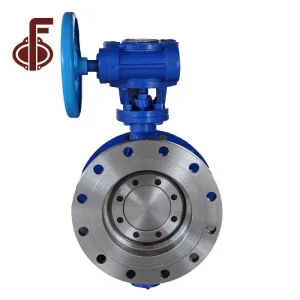
High-pressure steam bypass systems, turbine extraction isolation, and municipal high-temperature geothermal loops subject valves to constant thermal cycling from 180°C to 550°C. Standard double flanged TOV configurations eliminate the massive pipe strain, bolting relaxation, and packing leakage common to traditional cast steel gate valves. The zero-rubbing mechanical action eliminates seat thermal deformation, allowing instant quarter-turn emergency trips.
High-Pressure Reverse Osmosis & Brine Desalination
Marine environments and hyper-saline discharge pipelines cause severe pitting and crevice corrosion in standard ductile iron or low-alloy steels. ZFA manufactures triple offset valve bodies and discs in Super Duplex Stainless Steel (UNS S32750 / 2507) and Nickel Aluminum Bronze (C95800). The tight mechanical closure provides dependable throttling control and backflow isolation against high dynamic hydraulic shocks without elastomeric swelling or chemical degradation.
Comparative Architecture: TOVs vs. Conventional Isolation Technologies
When selecting industrial valves for EPC tenders and retrofits, analyzing lifecycle ownership cost, structural footprint, weight savings, and operational safety is critical for engineering teams.
| Performance Parameter | Triple Offset Butterfly (TOV) | High-Performance Double Offset | Wedge Gate Valve | Trunnion Metal Ball Valve |
|---|---|---|---|---|
| Sealing Principle | Torque-Seated Camming Action | Position-Seated (Cam-action) | Wedge Mechanical Force | Floating/Spring-loaded Seats |
| Friction on Seat | Zero Friction (Contact at 0° only) | Rubbing during first 10°-15° | High sliding friction during travel | Continuous sliding across seats |
| Seat Leakage Rate | API 598 / ISO 5208 Rate A (Zero Leak) | Class IV / Class VI (Soft seat) | API 598 Metal (Permitted drops) | API 598 / ISO 5208 Rate A |
| Temperature Range | -196°C to +650°C (-320°F to 1200°F) | -50°C to +260°C (Elastomer limited) | Up to +538°C (Limited by packing) | -196°C to +450°C (Special trim) |
| Weight & Footprint | Ultra-Compact (100% baseline weight) | Compact (~110% weight) | Bulky & Heavy (300% to 500% weight) | Extremely Heavy (250% to 400% weight) |
| Fugitive Emissions | ISO 15848-1 Class AH (Quarter-turn) | ISO 15848-1 Class BH | Poor (Rising stem drags contaminants) | ISO 15848-1 Class AH |
| Total Cost of Ownership | Lowest (Low actuator torque & wear) | Moderate (Frequent seat change) | High (Frequent repacking/galling) | Very High (Complex rebuilds) |
The comparative data illustrates why global EPC engineering contractors are systematically replacing cumbersome wedge gate valves with double-flanged or lug-type Triple Offset Butterfly Valves in modernization projects. The quarter-turn actuation reduces motor and pneumatic actuator sizing requirements by up to 65%, while lowering total pipeline support steel requirements due to the dramatic reduction in overall valve weight.
Factory-Direct OEM Traceability from Foundry to Actuation Assembly
True OEM manufacturing excellence is anchored in transparent metallurgical discipline, micrometer-level machining tolerances, and standardized Factory Acceptance Testing (FAT).
Metallurgical Casting & Spectrometry
Body and disc castings (WCB, CF8M, LCC, WC6, Duplex) undergo Positive Material Identification (PMI), optical emission spectrometry, and Non-Destructive Testing (RT/UT per ASME B16.34) to guarantee zero subsurface shrinkage or porosity.
5-Axis CNC Conical Profile Machining
The proprietary third-offset conical profile is mapped via CAM simulation and milled on high-precision 5-axis CNC machining centers. Body seats receive high-velocity automated Stellite 21 cladding, ground to a mirror finish (Ra ≤ 0.4 μm).
Laminated Seal Ring Stacking
Our cleanroom technicians alternate high-purity die-formed flexible exfoliated graphite layers with precision-stamped ASTM A240 316Ti / Inconel metal laminations. This composition provides resilience against rapid thermal transients up to 650°C.
Hydrostatic & Low-Emission FAT
Every single valve undergoes shell proof hydrostatic testing at 1.5× design pressure and bi-directional seat testing at 1.1× differential pressure per API 598. Low fugitive emission testing per ISO 15848-1 AH verifies helium leakage below 10-6 mg·s-1·m-1.
OEM Actuator Automation & Packaging
ISO 5211 direct-mount top flanges allow direct mounting of double-acting/spring-return pneumatic scotch yoke, multi-turn electric, or electro-hydraulic actuators. Complete calibration with smart digital positioners is completed prior to fumigated export packaging.
Global Industrial Compliance & Regional Localization Support
Tianjin Zhongfa Valve Co., Ltd. valves are specified directly into multi-national EPC capital projects across North America, Europe, the Middle East, Southeast Asia, and Latin America.
North America (ASME / API)
Compliant with API 609 Category B (face-to-face and pressure-temperature envelopes), ASME B16.34 wall thickness criteria, ASME B16.5 / B16.47 flanging, and MSS SP-68 high-pressure butterfly valve standards.
European Union (PED / CE / EN)
Conforms to Pressure Equipment Directive (PED 2014/68/EU) Module H full quality assurance, EN 593 industrial butterfly specifications, EN 12516 shell strength, and ATEX Directive 2014/34/EU for explosive atmospheres.
Severe Fugitive Emissions
Gland sealing assemblies are pre-qualified to ISO 15848-1 Class AH / BH and German TA-Luft (VDI 2440) guidelines, minimizing greenhouse gas leakages across hydrocarbon gas grids and chemical plants.
Functional Safety (SIL-3)
Actuated emergency shutdown (ESD) valves undergo comprehensive Failure Modes, Effects, and Diagnostic Analysis (FMEDA), achieving certified IEC 61508 SIL-3 systematic capability for safety instrumented systems.
Engineering the Future of Flow Control: Digital Twins & Laser Cladding
The transition toward zero-emission economies requires valve manufacturers to innovate beyond static mechanical casting. Here is how our OEM production lines are evolving.
Additive Laser Metal Deposition (LMD)
By transitioning from manual TIG hardfacing to robotic 6-axis laser powder cladding of Stellite 21 and Colmonoy alloys, our factory eliminates heat-affected zone (HAZ) micro-fractures, improving thermal shock resistance and bond shear strength up to 300%.
Hydrogen Infrastructure Validation
ZFA is active in testing high-nickel austenitic and XM-19 valve stems for high-pressure gaseous hydrogen (H2) transport. Our advanced designs minimize hydrogen embrittlement risks through controlled vacuum induction melting (VIM) and ESR-refined steels.
Predictive Digital Twin Integration
Integration of wireless piezoresistive acoustic sensors and torque signature transceivers provides real-time seat erosion diagnostics and partial-stroke testing (PST), preventing unexpected plant shutdowns in remote processing facilities.
Technical Questions Procurement & Piping Engineers Ask Us Most
Comprehensive engineering clarifications on bidirectional sealing, actuation sizing, material selection, and fire-safe qualifications.
Are ZFA Triple Offset Butterfly Valves truly bi-directional bubble-tight under full pressure differential?
What is the difference between laminated seal rings and solid metal seal rings in TOVs?
Why choose a Triple Offset Butterfly Valve over a metal-seated trunnion ball valve?
How does Tianjin Zhongfa Valve support OEM branding and private labeling for European and American valve brands?
How are valve actuators sized to account for breakaway breakout torque?
What non-destructive examination (NDE) and quality tests are available for project orders?
Heavy-Duty Process Valves & Municipal Infrastructure
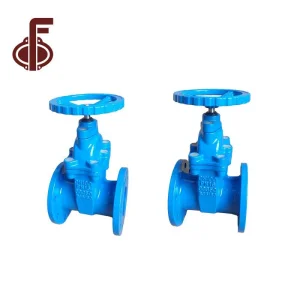
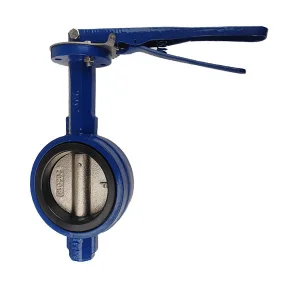
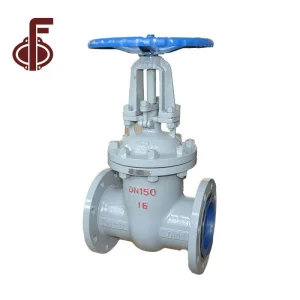
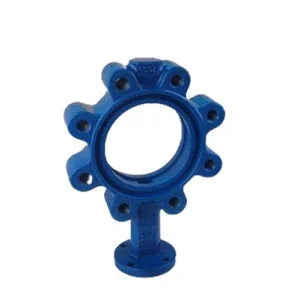
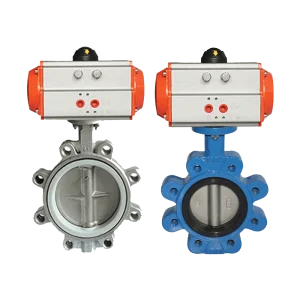
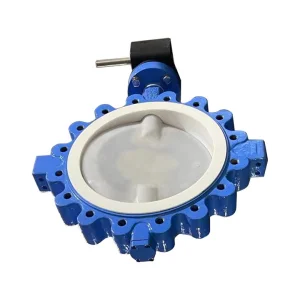
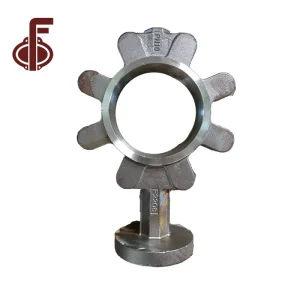
Explore our extended catalog of soft-sealing gate valves, wafer butterfly valves, lug-type split body assemblies, and flanged isolation valves manufactured in Tianjin, China.