
Hungary Infrastructure Engineered Series
Precision Resilient Soft-Sealing Gate Valves for European Utilities
Built with GGG50 ductile iron bodies and vulcanized EPDM/NBR wedges, providing 100% bidirectional bubble-tight isolation across regional pipeline networks.
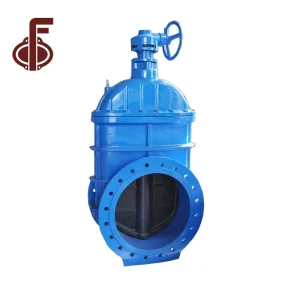
OEM Hungary DI PN10/16 Class150 Soft Sealing Gate Valve for Distribution Lines
Explore Soft Seal Series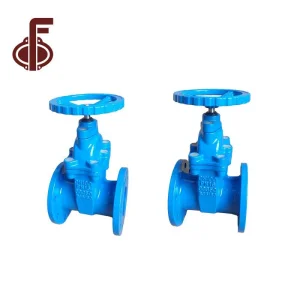
Water Pipeline OEM DI PN10/16 Class150 Soft Sealing Gate Valve for Hungary Projects
Explore Potable Water Series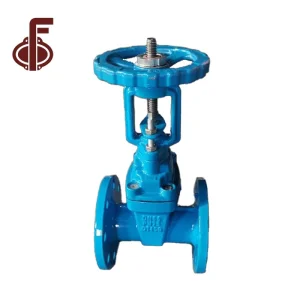
Hungary Industrial DI PN10/16 Class150 Soft Sealing Rising Stem Gate Valve
Explore Rising Stem Series
Regional Macro Industry Overview
Hungarian Water Utilities & Central European Industrial Dynamics
Strategic demand analysis of resilient-seated flow isolation in Hungary's transitioning infrastructure ecosystem.
Hungary's strategic geographical positioning at the crossroads of the Danube basin and major Central European trade corridors has catalyzed substantial public and private capital investment into urban water infrastructure, chemical manufacturing, and renewable geothermal energy installations. Operating within strict EU directives—including the updated European Drinking Water Directive (EU 2020/2184)—Hungarian water management utilities (such as regional waterworks in Budapest, Debrecen, Szeged, and the Lake Balaton watershed) are accelerating modernization initiatives. Outdated metal-to-metal sealing sluice valves, historically prone to sediment accumulation, tuberculation, and seal leakage, are rapidly being decommissioned in favor of ductile iron soft seal gate valves (resilient-seated wedge gate valves).
Unlike rigid-seated valves, a soft-sealing gate valve utilizes a full-bore, straight-through cavity free from bottom seat pockets or sediment-collecting recesses. The fully vulcanized wedge—engineered with potable water-certified EPDM—absorbs pipeline deflection and microscopic particulates without compromising drop-tight shutoff. This zero-loss operational profile is vital in Hungary, where utility operators are mandated to minimize non-revenue water (NRW) losses and reduce lifecycle pumping power consumption across extensive pressurized distribution networks.
Geothermal Districting & Battery Gigafactory Expansion Needs
Beyond traditional municipal potable and wastewater distribution, two distinct industrial drivers are dramatically expanding demand for heavy-duty soft seal gate valves in Hungary:
- Geothermal District Heating Integration: With Hungary possessing one of the highest geothermal heat gradients in continental Europe, cities like Miskolc and Szeged are expanding district heating schemes. Resilient wedge gate valves specified for these lines must incorporate specialized high-temperature EPDM elastomer compounds resistant to mineral descaling and thermal cycling up to 120°C.
- Electric Vehicle & Lithium-Ion Battery Mega-Campuses: The rapid buildout of Tier-1 electric battery plants and cathode materials manufacturing hubs across Pest, Hajdú-Bihar, and Komárom-Esztergom counties requires massive volumes of demineralized process cooling water, ultrapure effluent control, and fire suppression systems built strictly to EN 1074, EN 1171, and ISO 5208 leak tightness rate A standards.
0%
Allowable Leakage (Rate A)
50+ Yrs
Design Service Life
250 µm
Internal Fusion Bonded Epoxy
EN 1074
European Standard Compliance
Sourcing Excellence & Supply Chain Resilience
Overcoming Global Sourcing Bottlenecks in Flow Control Equipment
How international procurement managers reconcile European regulatory rigor with direct factory pricing and agile lead times.
Ductile Iron Casting Integrity (GGG50)
Every valve body is cast from EN-GJS-500-7 (GGG50) nodular cast iron, guaranteeing high tensile strength (≥500 MPa) and impact resistance against hydraulic pressure transients and water hammer shocks in buried municipal mains.
Total Cost of Ownership (TCO) Optimization
Direct export from our advanced manufacturing baseline eliminates multi-tier distributor premiums while ensuring project documentation, 3.1 material test reports (MTR), and inspection certificates meet strict tender thresholds.
Bimodal Logistics: Rail & Maritime Freight
Strategically synchronized container logistics utilize the China-Europe Railway Express (CRE) directly into Budapest intermodal hubs (BILK), cutting lead times down to 18–22 days for urgent project turnarounds.
Technical Parameters: Resilient Soft Sealing Gate Valves vs. Traditional Metal-Seated Sluice Valves
| Engineering Attribute | ZFA Resilient Soft Seal Gate Valve | Conventional Metal-Seated Gate Valve | European Standard Benchmark |
|---|---|---|---|
| Sealing Mechanism | Vulcanized EPDM/NBR Wedge with 100% Core Bonding | Bronze / Brass / Stainless Steel Faced Wedges | EN 1171 / EN 12266-1 |
| Seat Pocket Design | Pocketless, flat bottom bore; zero sediment buildup | Deep recessed seat groove prone to sand/grit jamming | EN 1074-2 clause 5.1 |
| Seat Tightness Class | EN 12266-1 Rate A (Zero bubble leakage at 1.1x PN) | Rate B or Rate C (Nominal permissible leakage) | ISO 5208 / EN 12266 |
| Corrosion Protection | WRAS/DVGW-approved Fusion Bonded Epoxy ≥ 250 µm | Liquid industrial alkyd primer / spray lacquer | DIN 30677-2 / GSK Guidelines |
| Stem Construction | Cold-rolled SS420/SS304/SS316 with O-ring seal cartridge | Machined carbon or low-alloy steel with gland packing | EN 1074-2 |
| Operating Torque | Low, smooth operating torque; non-rising stem available | High friction torque; prone to galling over time | EN 12570 |
Future Engineering Outlook
Smart Grid Integration & 2025–2030 Technical Roadmap
Transitioning standard mechanical isolation valves into intelligent, real-time diagnostic nodes across European cyber-physical water grids.
Phase 1: Present
EPDM Elastomer Nanocomposites
Formulation of sulfur-cured, micro-densified EPDM vulcanizates resistant to free chlorine, chloramines, and ozone treatment chemicals in potable networks.
Phase 2: 2026
Integrated IoT Stem Sensors
Direct integration of battery-powered LoRaWAN and NB-IoT position transmitters and acoustic vibration pick-ups for non-invasive leak and cavitation detection.
Phase 3: 2028
Zero-Torque Hydrodynamic Geometry
Computational fluid dynamic (CFD) profiling of wedge contour geometries to drop flow resistance coefficients (Kv / Cv) by an additional 14%.
Phase 4: 2030
Self-Healing Barrier Coatings
Deployment of graphene-reinforced epoxy barrier coatings formulated to resist micro-fissuring and chemical degradation in extreme underground soil conditions.
European Standardization & Approvals
Rigorous Compliance Framework for Hungarian and EU Tenders
Ensuring complete regulatory conformity from metallurgy to hygienic water contact.
International infrastructure projects in Hungary, Austria, Slovakia, and Romania operate under stringent public procurement legislation. A tender rejection frequently stems from non-conforming coating porosity or lack of raw material traceability. At our manufacturing facility, every soft seal gate valve undergoes rigorous factory acceptance testing before export:
- Hydrostatic Body & Shell Testing: Shell pressure tested at 1.5 × nominal working pressure (PN10 = 15 bar, PN16 = 24 bar, PN25 = 37.5 bar) in accordance with EN 12266-1 to confirm zero casting micro-porosity.
- High & Low Pressure Seat Tightness: Bidirectional low-pressure air testing (0.5 bar) and high-pressure water testing (1.1 × PN) confirming zero drop leakage over standard hold durations.
- Epoxy Coating Holiday Inspection: Non-destructive 3000V spark holiday testing over 100% of internal and external epoxy surfaces to verify a pore-free fusion-bonded barrier (≥250 microns).
- Hygienic Certifications: Formulations certified compliant with WRAS, DVGW W270, and ACS standards, preventing bacterial biofilm development and heavy metal migration into municipal water.
Procuring Valves for Hungarian Infrastructure Projects?
Contact our senior engineering team to receive customized dimensional drawings, 3D BIM/CAD models, and formal tender-compliant quotations within 24 hours.
Send Inquiry Now
Industrial Flow Isolation Catalogue
High-Performance Gate, Check & Quarter-Turn Process Valves
Comprehensive valve portfolio supporting Hungarian district heating, chemical processing, and potable water distribution networks.
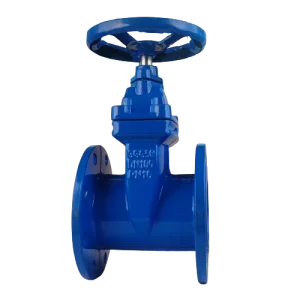
Hungary Utility GGG50 PN16 Soft Seal Non-Rising Stem Gate Valve
View GGG50 Soft Seal Valve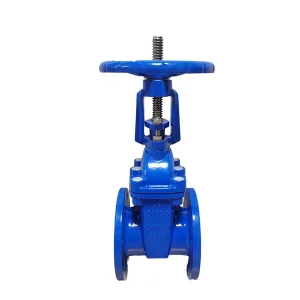
Hungary Standard DIN F4 Bolted Bonnet Soft Sealing Rising Stem OS&Y Gate Valve
View DIN F4 OS&Y Valve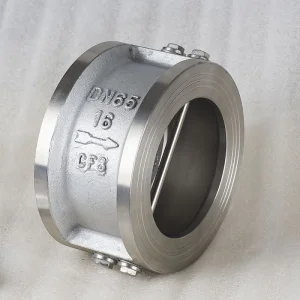
OEM SS2205 Duplex Stainless Steel Dual Plate Check Valve for Hungary Process Skids
View SS2205 Check Valve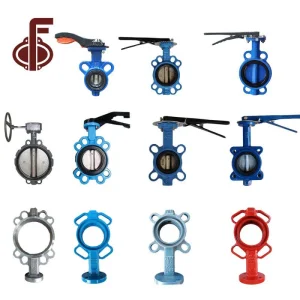
Precision Casting Body Models for European Specification Butterfly Valves
View Butterfly Valve Bodies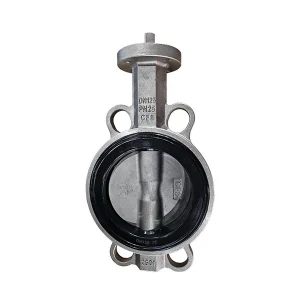
Hungary Industrial PN25 DN125 CF8 Stainless Wafer Butterfly Valve with Soft Seat
View PN25 DN125 Valve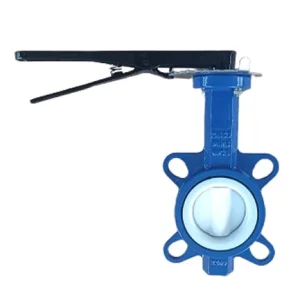
OEM PTFE Lined Seat & Disc Wafer Centerline Butterfly Valve for Chemical Media
View PTFE Lined Valve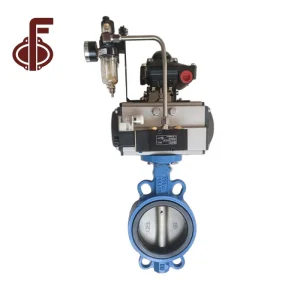
Automated Pneumatic Actuator Wafer Butterfly Valves for Industrial Flow Lines
View Actuated Valves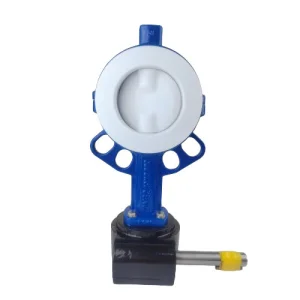
Hungary Process DN80 Split Body PTFE Full Lined Wafer Butterfly Valve
View DN80 PTFE Valve
Technical & Commercial FAQ
Frequently Asked Questions by European Engineering Contractors
Essential guidance on selecting, installing, and certifying soft seal gate valves in Central European pipeline projects.
What are the key technical distinctions between DIN 3352 F4 and F5 face-to-face dimensions in Hungary?
Both DIN 3352 F4 (EN 558 series 14, short pattern) and DIN 3352 F5 (EN 558 series 15, long pattern) are widely specified throughout Hungary and Central Europe. The F4 short body is typically favored in underground utility trenches and compact valve chambers due to its reduced weight and shorter installation envelope. Conversely, F5 is commonly specified when replacing legacy cast-iron sluice valves or in higher pressure pumping station manifolds where extended fluid transition spacing provides reduced turbulence.
How does the resilient seated gate valve guarantee zero leakage under low differential pressure?
Conventional metal-seated valves rely on hydrostatic line pressure pushing the gate against the downstream seat to achieve an effective seal, frequently allowing weeping or bypass under low differential pressure (< 1 bar). ZFA's resilient soft seal gate valves utilize a fully vulcanized ductile iron wedge with controlled rubber compression margins. Even at zero or nominal differential pressure, the elastic deformation of the certified EPDM rubber against the epoxy-coated iron body guarantees 100% bubble-tight, EN 12266-1 Rate A isolation.
Which elastomer should be chosen for Hungarian district geothermal water networks?
While standard potable water networks operate optimally with WRAS/DVGW-approved standard EPDM (-10°C to +80°C), Hungarian geothermal district heating systems require our specialized High-Temperature Peroxide-Cured EPDM compound, rated continuously up to +120°C. For industrial cooling water containing lubricating oils or hydrocarbon traces, NBR (Nitrile) vulcanized wedges are recommended to prevent swelling and elastomer degradation.
What quality and inspection documentation accompanies each export batch?
Each shipment is delivered with comprehensive documentation conforming to European standards, including EN 10204 Type 3.1 Material Test Reports (MTR) detailing chemical analysis and mechanical tensile testing of GGG50 castings, EN 12266-1 hydrostatic shell/seat test reports, holiday coating thickness inspection records, and CE Declarations of Conformity under the Pressure Equipment Directive (PED 2014/68/EU).
Can soft seal gate valves be configured for underground direct burial with extension spindles?
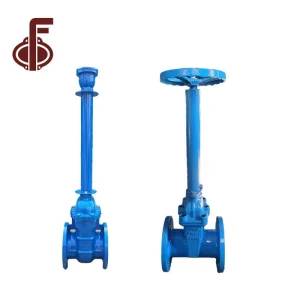
Yes. Non-rising stem (NRS) soft seal gate valves are specifically engineered for underground installation without the requirement for concrete inspection chambers. We supply complete direct burial kits, including telescopic extension spindles, street boxes (surface boxes conforming to DIN 4056/4057), and position indicators, drastically reducing overall civil installation costs.
What is the standard production and shipping lead time to Budapest and regional Hungarian hubs?
Standard production runs for standard catalog sizes (DN50 to DN600, PN10/PN16) take approximately 20 to 30 days. Intermodal rail freight via the China-Europe Railway Express reaches the Budapest BILK container terminal in 18 to 22 days, while consolidated maritime shipping via the Port of Koper (Slovenia) or Port of Rijeka (Croatia) with rail forwarding takes approximately 35 days.
