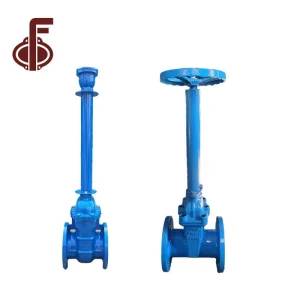
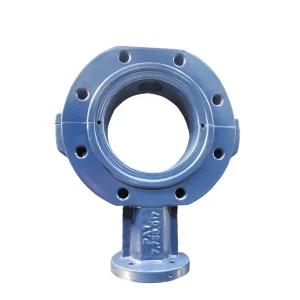
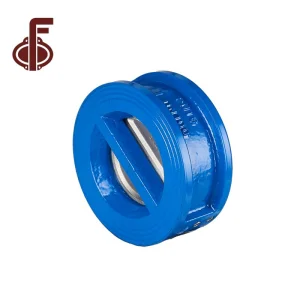
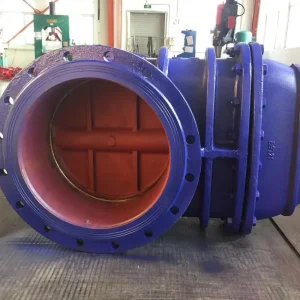
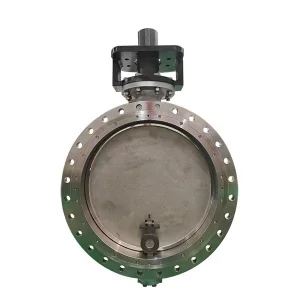
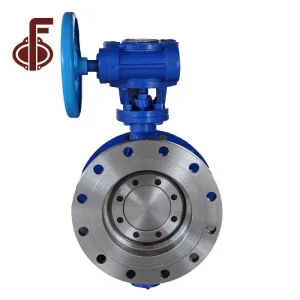
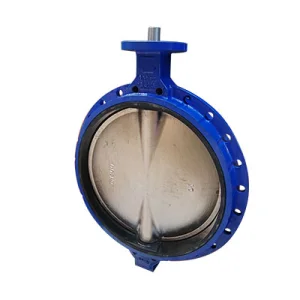
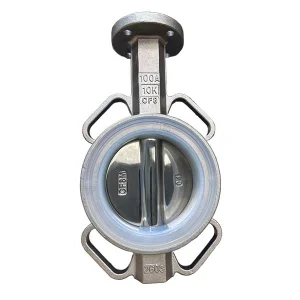
Featured Valve & Resilient Seat Assemblies
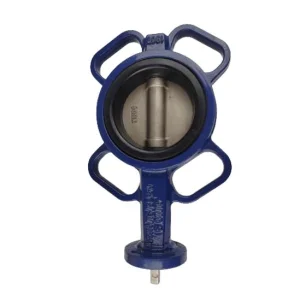
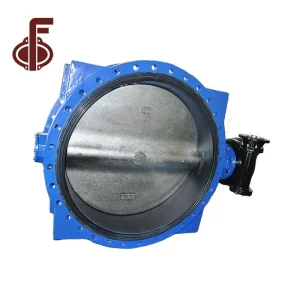
Direct supply of precision ductile iron, cast steel, and stainless steel wafer, lug, and double-flanged butterfly valves featuring integrated vulcanized or replaceable elastomer seats.
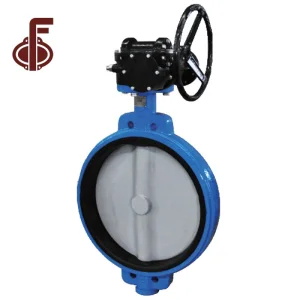
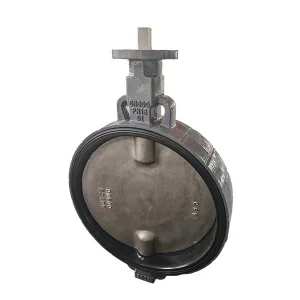
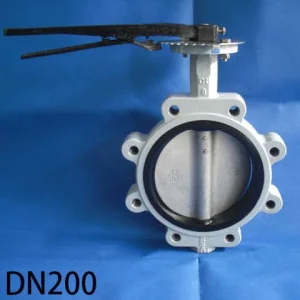
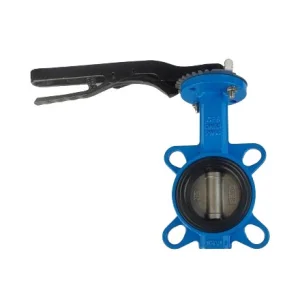
Technical Leadership in Elastomer Seat Manufacturing
Combining advanced polymer formulation, automated vulcanization, and micron-level molding to produce resilient seats that maintain mechanical elasticity across millions of operational cycles.
Zero-Leakage Bi-Directional Bubble Tight Seal
Full Stroke Cycles Tested Without Hysteresis
Comprehensive Diameter Range Supported
Certified Under Stringent International QA
Full Supply Chain Integration
China's industrial valve corridor in Tianjin provides end-to-end integration: raw polymer compounding, automated CNC tooling, vulcanized injection, and localized iron foundry casting under one roof.
Custom Compound Formulation
We tailor elastomer recipes for specific chemical resistances, low-friction operation, ozone stability, and temperature resilience, guaranteeing compliance with FDA, WRAS, and DVGW protocols.
Rapid Prototype to Mass Run
High-precision tooling centers allow fast turnaround for custom cross-sections, dovetail profiles, cartridge seats, and phenolic-backed liners with minimal mold lead time.
Elastomer Material Matrix & Operational Thresholds
A technical guide for procurement engineers and EPC specifiers to match elastomeric seat compounds with pipeline media, pressure spikes, and continuous operating temperatures.
| Elastomer Seat Type | Hardness (Shore A) | Temperature Range | Primary Target Media | Resistant To | Unsuitable Media |
|---|---|---|---|---|---|
| EPDM (Ethylene Propylene) | 65 - 75 ± 5 | -20°C to +130°C | Potable water, HVAC, sea water, wastewater | Ozone, weather, steam, glycol, mild acids | Petroleum oils, kerosene, hydrocarbons |
| NBR (Buna-N / Nitrile) | 70 - 80 ± 5 | -15°C to +90°C | Hydraulic fluids, fuel lines, mineral oils, air | Aromatic hydrocarbons, lubricants, animal oils | Polar solvents, ketones, ozone, UV exposure |
| FKM / Viton® (Fluoroelastomer) | 75 - 85 ± 5 | -20°C to +200°C | Petrochemicals, hot acids, harsh chemicals | High temperatures, fuels, organic acids | Ketones, esters, low molecular weight ethers |
| PTFE-Lined Elastomer | 55 - 65 (Shore D) | -30°C to +180°C | Ultra-pure fluids, strong caustics, pharma | Universal chemical inertia, zero sticking | Abrasive slurries with heavy particulate |
Macro Industrial Applications & System Integration
Engineered rubber seats form the sealing core in critical municipal, offshore, energy, and process infrastructure globally.
Municipal Water Treatment
Potable and recycled water distribution networks require certified non-toxic EPDM seats that eliminate micro-leaks and withstand continuous chlorine exposure without hardening.
HVAC & Chilled Loops
Commercial building management loops demand low-torque resilient seats to optimize actuator power consumption and prevent thermal shock leakage during seasonal shifts.
Petroleum & Fuel Storage
Refineries and bunkering terminals utilize vulcanized NBR and Viton rubber seats resistant to explosive decompression, fuel vaporization, and solvent swelling.
Desalination & Marine
High-saline seawater handling relies on hard-backed EPDM or super-duplex disc pairings with Viton seats to counteract high chloride pitting and cavitation damage.
Future Trends in Resilient Seat Manufacturing
Next-generation polymer technology and precision production are changing how industrial valve seals perform across extreme operating envelopes.
Low-Friction Surface Modifications
Plasma treatments and fluorinated micro-coatings lower surface friction coefficients by up to 35%, drastically reducing valve breakout torque and sizing requirements for electric and pneumatic actuators.
Phenolic & Aluminum Hard-Backing
Replacing traditional loose boot seats with rigid bonded phenolic or aluminum cartridges prevents seat deformation under high pipeline velocity and full vacuum conditions.
Finite Element Seat Analysis (FEA)
Modern CAD/FEA simulation software models the dynamic compression profile between disc edge and rubber liner, eliminating localized stress points and prolonging overall service longevity.
Meeting Global EPC & OEM Sourcing Standards
How China's leading valve exporter ensures seamless interoperability with international pipe standards, documentation compliance, and logistics efficiency.
Standardization Interoperability
Valves and seats are fully compatible with ASME B16.5, EN 1092-1, DIN 2501, BS 4504, and JIS B2220 bolt patterns, allowing drop-in field replacement without line modification.
Comprehensive EN 10204 3.1 Traceability
Every shipment comes complete with vulcanization cure certificates, batch polymer hardness and tensile test results, and hydrostatic pressure test logs confirming zero seat leakage.
Export Seaworthy Packaging
Elastomer components are coated with non-reactive talc, bagged in UV-blocking wraps, and secured inside fumigated seaworthy wooden cases to prevent atmospheric curing in transit.
Technical & Commercial FAQ
Detailed answers to key engineering, compound compatibility, and export procurement questions.
What is the difference between bonded and replaceable butterfly valve rubber seats?
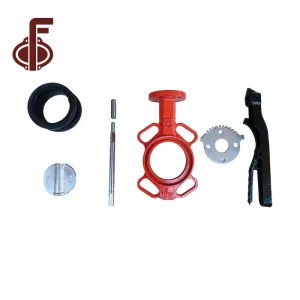
Bonded seats are directly vulcanized onto the valve body casting, creating high resistance against vacuum deformation and high flow velocities. Replaceable cartridge seats feature a rubber liner molded over a phenolic or aluminum backing, allowing on-site maintenance and lower long-term valve replacement cost.
Why is EPDM unsuitable for media containing hydrocarbons or mineral oils?
EPDM is a non-polar synthetic elastomer. Petroleum distillates, mineral oils, and fuels penetrate the polymer molecular matrix, leading to rapid swelling, softening, tensile strength degradation, and eventual seat blowout. NBR or FKM must be specified for any hydrocarbon contact.
How does rubber seat compression affect operating torque?
A higher seat interference fit guarantees zero-leakage sealing at elevated differential pressures (e.g., PN16/PN25), but proportionally increases breakaway and dynamic operating torque. Precision CNC machining of our valve discs optimizes radial interference without creating excessive elastomer stress.
Can you provide custom-molded elastomer profiles for OEM applications?
Yes. We operate internal mold tool facilities allowing customized cross-sections, dovetail retaining grooves, and unique flange sealing face ribs to match proprietary valve body geometries for global OEM brands.
Engineered Industrial Valve Portfolio
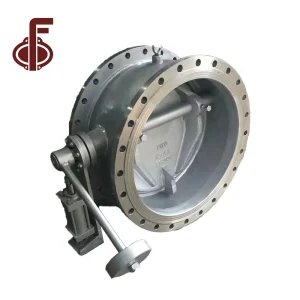
Explore our heavy-duty isolation and check valve assemblies manufactured for water networks, power plants, and chemical process infrastructure.