High-Performance OEM Flow Control Equipment
Explore our export-certified valves engineered in our Tianjin smart manufacturing hub, providing rugged shutoff performance across global petrochemical, HVAC, and municipal infrastructure networks.
Engineering Principles of OEM Full Port Ball Valve Manufacturing
A comprehensive examination of hydrodynamic characteristics, material metallurgy, and cost-containment strategies delivered by top-tier Chinese manufacturing ecosystems.
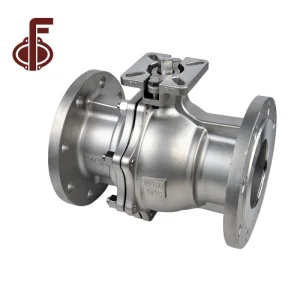
When selecting isolating flow hardware for critical industrial processes, engineering teams face a decisive choice between reduced port (regular bore) and Full Port (Full Bore) Ball Valves. In a full port ball valve, the bore of the ball matches the internal diameter (ID) of the adjacent pipeline exactly. This 1:1 geometry ensures a virtually negligible flow coefficient restriction ($C_v$ maximization), reducing parasitic pressure loss across pumping stations and eliminating the boundary-layer turbulence typically seen in reduced bore alternatives.
Hydraulic Optimization & PIGging
Full port valves exhibit zero pipeline contraction, meaning differential pressure ($\Delta P$) across the disc is minimized. In heavy hydrocarbon, slurry, or multiphase pipelines, this allows unhindered pigging operations for inspection and automated line clearing without causing mechanical blockage or valve seat destruction.
China's Supply Chain Clustering
Our Tianjin foundry and machining clusters synthesize high-precision lost-wax investment casting, direct ductile iron sand molding, and rapid dual-phase stainless steel procurement (such as SS2205 and CF8M). This localized integration minimizes raw material lead times and cuts manufacturing overhead by 25–40% against Western competitors.
Rigorous QA & API 6D Standards
Every OEM valve is tested strictly against API 598 and ISO 5208 standards. From hydrostatic shell testing at 1.5× rated working pressure to low-pressure pneumatic seat leak detection, ZFA enforces complete traceability from chemical heat spectrometer certificates to final branded export crating.
Macro Dynamics & Future-Ready Valve Engineering
Examining how digital automation, aggressive emission standards (ISO 15848-1), and aggressive media handling drive engineering advancements in ball and butterfly valve manufacturing.
Fugitive Emissions Control
Global decarbonization policies mandate stringent compliance with ISO 15848-1 and TA-Luft certifications. ZFA integrates live-loaded PTFE and chevron graphite packing glands to maintain zero atmospheric leakage in high-cycle operations.
Smart Actuation Compatibility
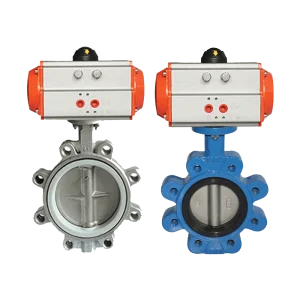
Valves are increasingly integrated into Industrial IoT (IIoT) ecosystems. Our full port valves feature standardized ISO 5211 direct-mount top flanges, allowing seamless mounting of modulating pneumatic, hydraulic, or 4–20mA digital electric actuators.
Hydrogen & LNG Cryogenics
The energy transition requires micro-finished ball spheres capable of holding microscopic hydrogen molecules under high pressure, as well as extended bonnet valves for sub-zero LNG handling down to -196°C using reinforced PCTFE/Kel-F seals.
Reshoring & Dual-Sourcing
Global EPCs seek reliable OEM factories in China that maintain direct raw material reserves, stable seaport proximity (Tianjin Port), and documented material test reports (EN 10204 3.1) to avoid shipping bottlenecks.
OEM Full Port Ball Valve Material Matrix
Evaluate our production capabilities across standard body cast alloys, resilient seat polymers, and mechanical pressure boundaries.
| Component | Standard Metallurgy | Optional High-Alloy | Temperature Limits | Key Project Suitability |
|---|---|---|---|---|
| Valve Body | ASTM A216 WCB / Carbon Steel | A351 CF8M / Super Duplex SS2205 | -29°C to +425°C | Oil & Gas Pipelines, Refining, High-Pressure Steam |
| Ball Sphere | SS304 / SS316 Mirror Polish | Monel 400 / Hastelloy C276 | -196°C to +550°C | Desalination, Offshore Marine, Aggressive Acids |
| Resilient Seats | Virgin PTFE / R-PTFE (15% Glass) | PEEK / Devlon V / Metal-to-Metal | -40°C to +260°C (PEEK) | Zero-Leak Isolation, Slurries, High-Cycle Actuation |
| Valve Stem | ASTM A276 304 / 316 Blowout-Proof | 17-4PH / Inconel 718 | High Torsional Strength | High-Torque Automated Emergency Shutdown (ESD) |
Tailored Solutions for Demanding Operating Environments
How ZFA supplies custom valve assemblies engineered to meet distinct commercial procurement constraints, regulatory codes, and abrasive operational media.
Desalination & Seawater RO
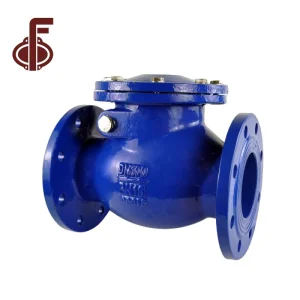
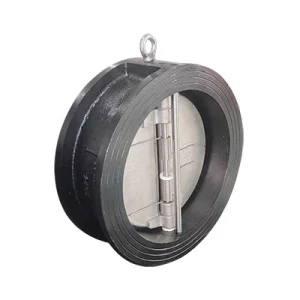
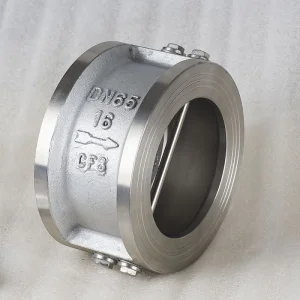
High chloride concentrations cause severe pitting in standard carbon steels. ZFA manufactures full port ball and dual-plate check valves in Super Duplex SS2205 and Nickel Aluminum Bronze (C95800) specifically for membrane isolation on SWRO skids.
District HVAC & Municipal Chilled Water
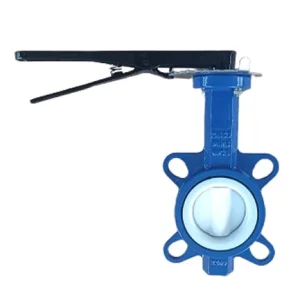
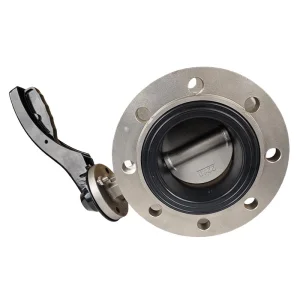
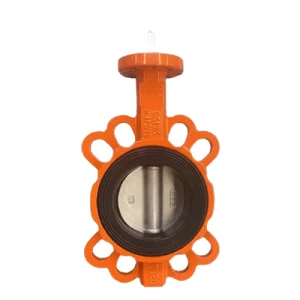
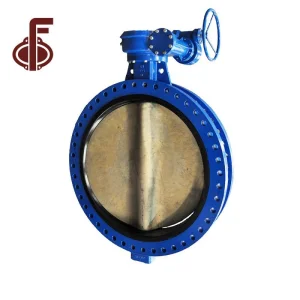
Large municipal installations require low operating torque and uninhibited fluid throughput to minimize chiller pumping kW power. Our wafer butterfly valves and full bore ball valves ensure optimal hydraulic balance with maintenance-free EPDM seals.
Global EPC Contract Sourcing
International procurement managers demand streamlined supplier audits, mill certificate verification, custom tag stamping, and unified container packing. ZFA offers turnkey OEM branding, private labeling, and dedicated project documentation support.
Frequently Asked Questions on OEM Valve Sourcing
In-depth responses covering pressure differentials, engineering standards, and OEM supply contracts.
What is the fundamental difference between a full port and a standard port ball valve?
A full port (full bore) ball valve has an internal ball hole diameter equal to the inside diameter of the connecting pipe. This eliminates fluid restriction, minimizing pressure drop ($\Delta P$) and friction, while allowing mechanical line pigging. A standard port (reduced port) valve has a ball opening one size smaller than the pipe diameter, which creates slight flow restriction and head loss but reduces valve body size, weight, and torque requirement.
Which international design and testing standards do ZFA valves comply with?
ZFA valves are manufactured and audited against major international systems including ASME B16.34, API 6D, API 598, BS EN ISO 17292, DIN EN 558, JIS B2002, and GB/T 12237. Our pressure tests guarantee shell integrity at 1.5× PN and zero-leakage closure under ISO 5208 Rate A standards.
How does ZFA support OEM and private-label valve manufacturing?
We provide full-spectrum OEM services: 3D CAD modeling, custom casting patterns with your trademark/logo cast onto the body, customized nameplates, bespoke epoxy powder coating colors (RAL codes), specific end flange drillings (ANSI, DIN, JIS), and export crating tailored to your distribution requirements.
What seat materials are recommended for high-temperature and aggressive chemical media?
For temperatures between -20°C and 180°C with corrosive chemicals, pure Virgin PTFE or Chemfluor PTFE is recommended. For abrasive media or temperatures up to 260°C, Carbon-filled PTFE or PEEK seats are deployed. For extreme high-temperature or slurry applications exceeding 300°C, Stellite or tungsten carbide hard-faced metal-to-metal seating systems are mandatory.
What documentation is provided with export shipments for engineering audits?
Every commercial consignment includes EN 10204 3.1 Material Test Reports (MTRs) detailing chemical spectrometry and mechanical tensile/impact testing, hydrostatic pressure test certificates, third-party inspection sign-offs (SGS/BV upon request), and CE Declaration of Conformity documents.
Explore Additional ZFA Engineered Valves
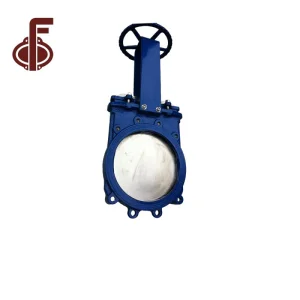
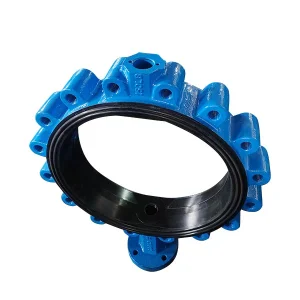
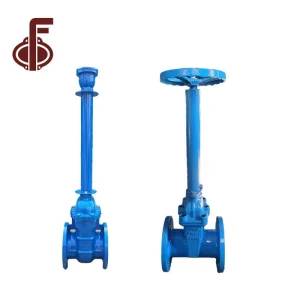
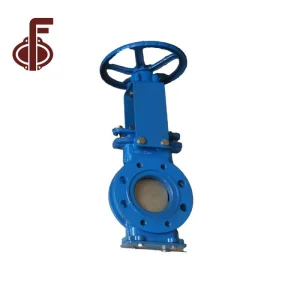
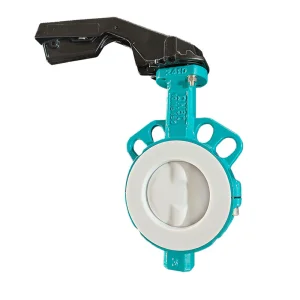
Review our specialized knife gate, floating ball, soft-sealing gate, and lined butterfly valve products ready for global distribution.